University of Washington
University of Washington
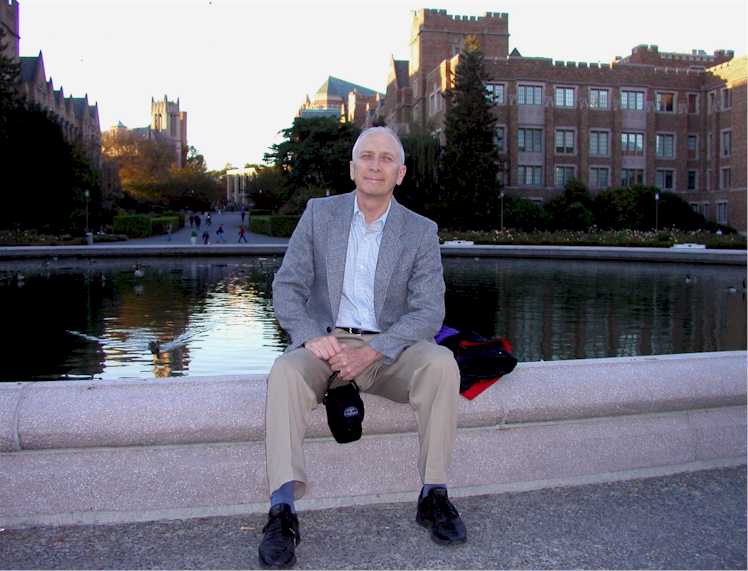
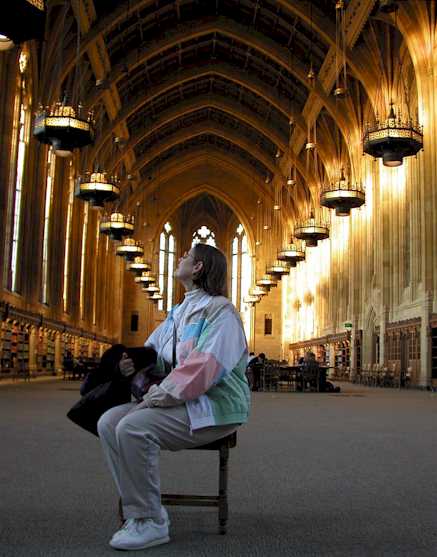
15 October 2002
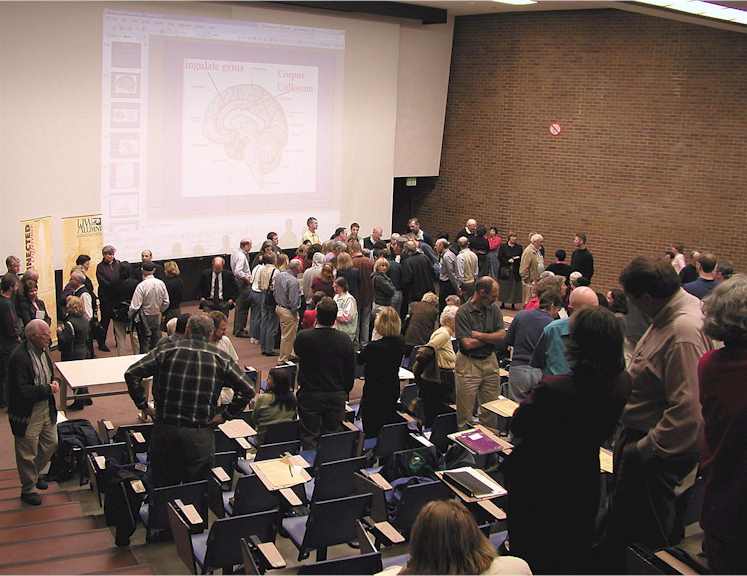
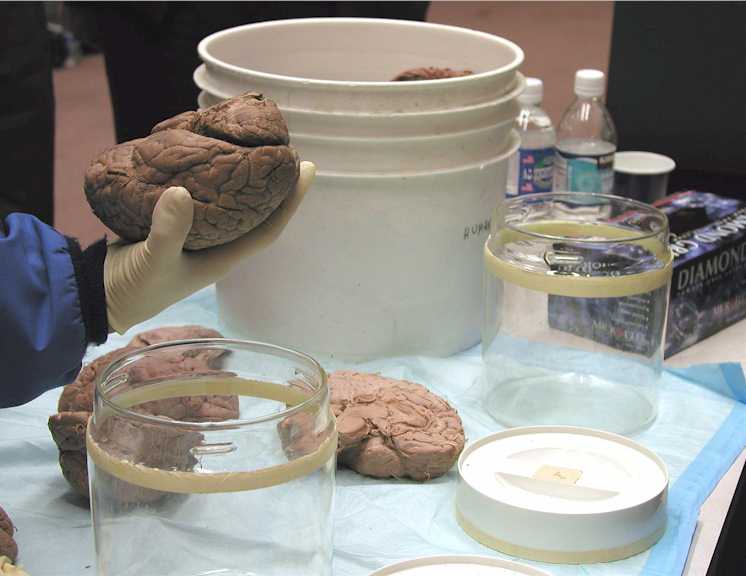
Fall Lecture Series, "Excursions into the Brain"
September, 2002
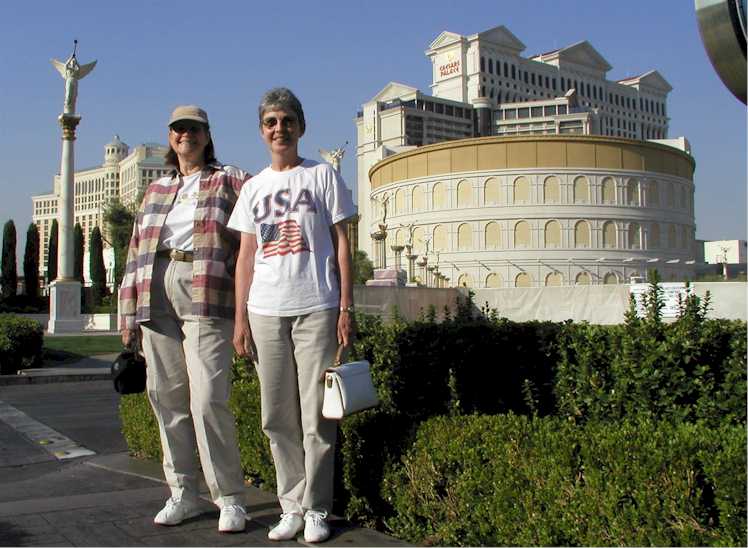
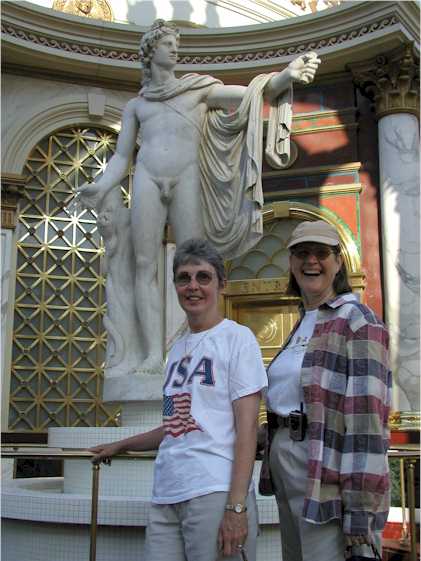
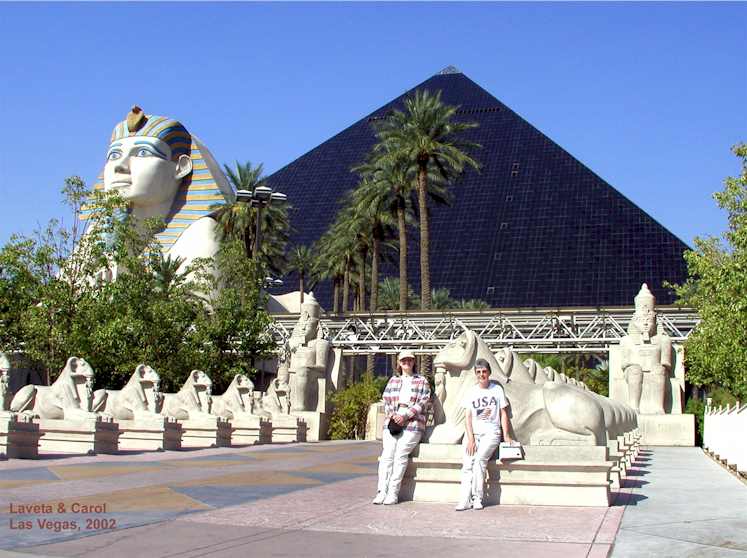
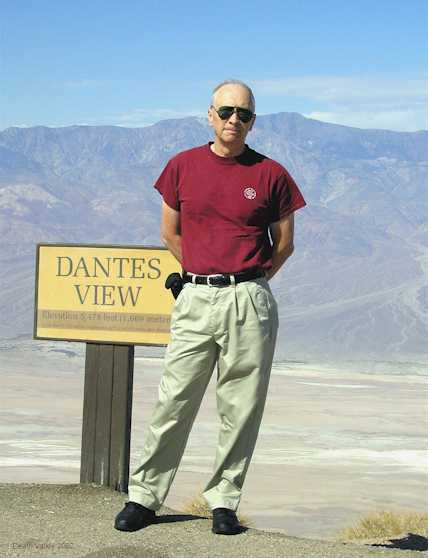
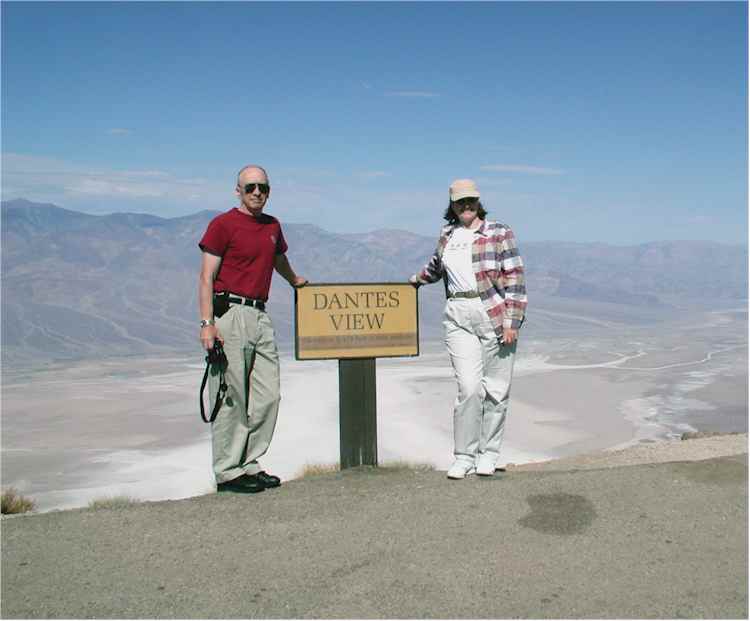
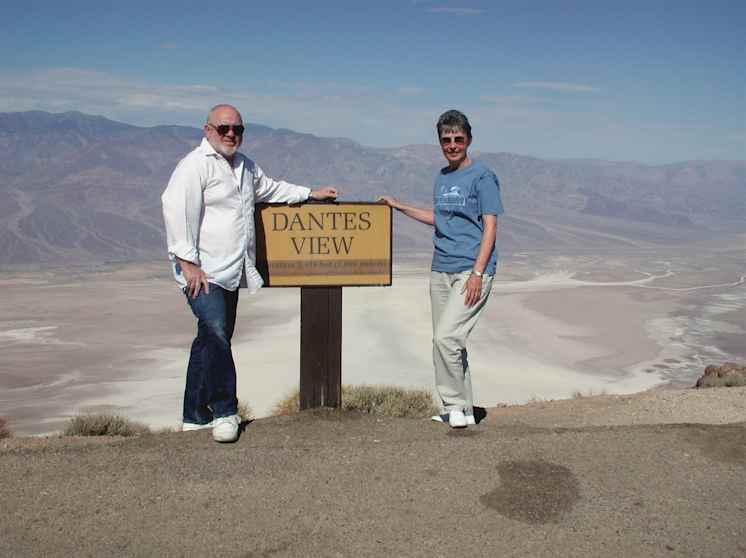
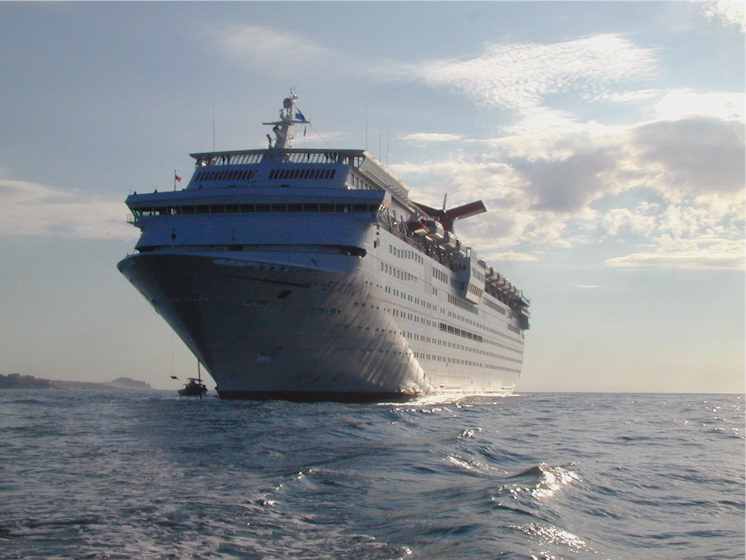
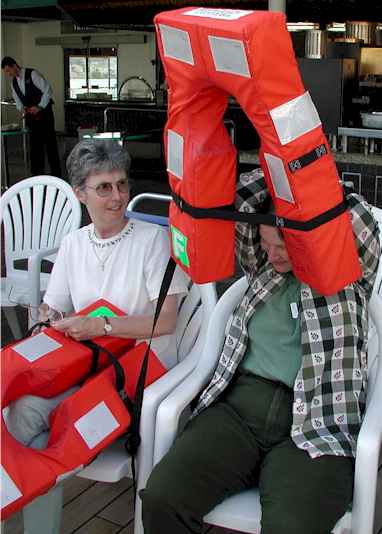
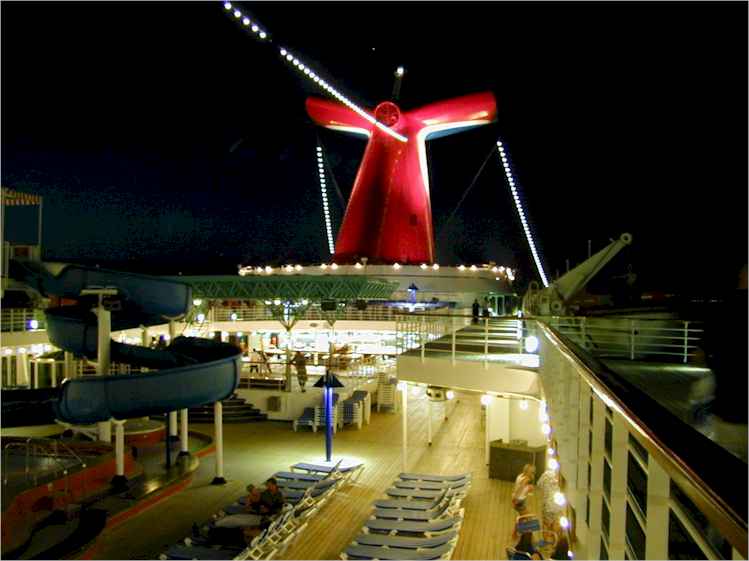
After attending my (and Carol’s) 40th high school reunion in Merced, California, the four of us continued on to Las Vegas and Death Valley before returning to Tacoma.

This is an imaginary tale. Any resemblance to real persons living or otherwise is strictly coincidental
The flowers were beautiful. Reno leaned over the bouquet on his desk, breathed deeply and sighed. Greg, at the next desk over, looked up and wondered what the hell was going on. Six months earlier Reno would have smiled at the sight of a newly shot, six point buck lying in the bed of his truck- but flowers! It was bad enough that the Quality Manager went around passing out stuffed animals. The damn things were everywhere. You couldn’t look at anyone’s desk without a half a dozen of the stuffed creatures staring back at you with their cute, sickly eyes. It was downright unnatural!
Years ago, when Greg began working at the company he had really worked his butt off. If a guy screwed up or slacked off- he got yelled at! He remembered his supervisor then, the one that the Quality Manager had called a “spherical bastard” because he seemed to be a bastard from whatever angle you looked. It sure wasn’t a job for sissies then, he thought wistfully. The workplace now was becoming more and more like the "Y". What the company needed, Greg was sure, were more spherical bastards, fewer flowers… and f–k the stuffed animals. He also breathed deeply and sighed as he thought about retirement. It couldn’t’ come too soon.
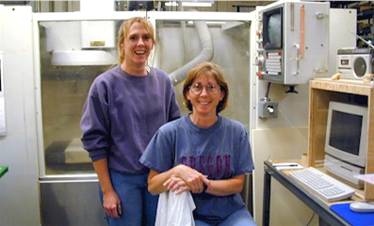
On the shop floor Corry, Darlene and the other girls went about their jobs feeding the computer controlled milling machines which were always hungry and required constant tending. But at least the working conditions had improved over the last few months. The improvement Corry knew, was not an accident, but the result of a well executed plan. “Men were so simple, unsuspecting and easy to control!
Last Fall, the delivery schedule became hopeless as customers grew ever more demanding and uncaring. Employees felt that their working lives were being sacrificed on an altar of production. Men, Corry noticed, when subjected to such stressful conditions, tended to yell and posture unproductively. Darlene was convinced that the root cause of management’s problem was Testosterone Overload Disorder. Meanwhile, conditions went from bad to worse. Something had to be done.
Corry racked her brain. “Ask why five times.” Wasn’t that what they kept saying in “Performance Breakthrough” classes? And then the revelation! If testosterone was the problem, might not estrogen be the solution? Estrogen- used as a Weapon of Mass Production? Better management through applied chemistry! "Wow” Cory thought with pride and satisfaction, “that’s really thinking outside the box.”
Obtaining enough estrogen would be easy. Hell, hardly any the women in the QA department still had ovaries! They all took “Premarin.” The estrogen supply wouldn’t be the problem, they would just ask their doctors for more. Getting the estrogen into management’s bloodstream would be the problem.
So they formed a “Tiger team” and worked out a plan. Would their supervisory victims, err… patients, taste Premarin in their coffee, they wondered? cookies? chocolate? The QA Manager would turn into Miss America the way he ate chocolate! They’d have to be careful. Their first objectives would be supervision and the V.P. of Production. Yah- He called altogether too many meetings, proposed too many changes. It was all too stressful. If they were successful, there would be a lot fewer “Lean Manufacturing ” and more human relations classes on subjects like: “Emotional Intelligence.”
The team looked forward to a kinder, gentler workplace.
© Charles L. Williamson 2002
Far or forgot to me is near;
BRAHMA (2-3) Ralph Waldo Emerson
Shadow and sunlight are the same;
The vanished gods to me appear;
And one to me are shame and fame.
They reckon ill who leave me out;
When me they fly, I am the wings;
I am the doubter and the doubt,
And I the hymn the Brahmin sings.
"Awshit!" The engine sputtered a few times and then quit. Getting out of the pickup, Dory slammed the door and stood alone in the mechanical stillness, eight miles from the nearest paved road. She shouted her frustration to the empty desert- which accepted her rebuke in silence. There should have been plenty of fuel in the tank. Trying the lights- she determined that the battery was ok. "Damn computerized engines" she thought, "you needed a computer in order to fix anything." She opened the hood. Everything looked fine at first, all the wires and hoses in place, but she could smell gas. Her gaze ran along the fuel line, and sure enough, she found it, a longitudinal crack in the metal tubing. She could hear fuel dripping slowly into the desert. Electrical or duct tape might have sufficed for a temporary repair and gotten her back to the highway- but naturally, there was no tape. She wasn’t going anywhere tonight, and with the sun racing for the mesa, darkness would soon cloak her and her problem. Already the cliff face was casting long cooling shadows across the arroyo.
"Damn, damn, damn. Can’t very well stumble out in the dark" she thought.
Returning to the truck, she inventoried two full gallon plastic jugs of emergency water, an old army blanket, half a cheese sandwich and an apple left over from lunch, a book of matches in the glove compartment, the flashlight, a small box of Kleenex (toilet paper now), her purse- and an umbrella. She tried the cell-phone again, and saw "No Service"- again. To be expected, on a dirt road somewhere north of Corrales and 8 miles west of state highway 44 in the mountains of north central New Mexico .
She could imagine the story buried on a back page in the Albuquerque Journal: “Engineer from ‘Polymer Magic’ of Seattle found dead of dehydration only a mile from the highway, one shriveled hand (strangely) holding an umbrella". This would be preceded by a year old photo of the trim, pretty, 27 year old brunette in overalls, standing in front of a cluttered instrument rack. A strange looking device with many protruding wires was cradled in her arms, looking for all the world like a newborn hydra.
Of course she’d known desert travel was not to be taken lightly, and reflected further, that desert gods, like other environmental gods, could be capricious. She should have been better prepared! Even summer nights could get cold on the high desert and she was wearing just a T-shirt, shorts and canvas shoes. She’d need a fire, but didn’t want to risk blowing herself up by making one near the truck.
Scanning the surroundings, she noticed that there was plenty of scrub for a fire. Just then her eye caught the outline of an opening about 15 or 20 feet up on the Southwest side of the arroyo. She was no geologist but it seemed as though that part of the cliff face had collapsed recently. It enlarged what looked like a cave entrance. Even a shallow cave would make a good shelter if a fire could be built at the entrance. Taking the flashlight, she picked her way through the rubble and up the short steep slope. She hiked quickly and smoothly, in that delicate state of moving balance a seasoned climber employs when traversing lose talus. Her graceful movement proved a worthy match for the lose rock, as no stones dislodged or shifted in her wake.
The cave entrance proved to be about 6 feet high, 8 across and extended back about 20 feet. The flashlight beam illuminated a dry empty cave with smooth walls and a somewhat littered floor that extended out from the cave opening enough to make a small flat platform. It would do.
Returning to the truck she quickly retrieved the blanket, water, purse and most importantly, the matches from the glove compartment. After dropping these off at her new shelter, she proceeded to make half a dozen trips to gather firewood, enough to last the night. These chores took the better part of a half hour. The sunset tinted clouds were dissipating now, radiating away the energy that had formed them out of shapeless vapor. The night would be clear. Dory stacked some twigs in the shape of a small teepee. Dry, they ignited eagerly. There was no wind and sparks from newly deposited branches rose straight up into the darkening sky.
She wished that Bob was here to ward off the night critters real or imagined that could be lurking just outside the circle of firelight. Moving to the side of the fire, she gazed out into the night, and realized that she could no longer see the truck. The thought of being alone at night in such a remote place was a unnerving, and she fought against it. She’d think of Bob.
Dory had met Bob only three months earlier. Recalling her "through the looking glass" experience- she was still astonished at the emotional firestorm that had left her both shaken and elated. Shaken, because the feelings within her were new and their intensity frightening. But at the same time, she found herself unrelentingly happy and alive. How remarkable, she thought, that we live our lives imprisoned within our bodies, communication with others limited to the way we pose our eyes, or by movement or touch, and most importantly by the sounds that we assemble into words- scarcely a muted echo of the complex thoughts and indescribable feelings we’re trying (sometimes desperately) to express. And yet, she had experienced the mysteriously direct channel that sometimes exists between people at the moment when their two personalities fuse; a chrysalis, out of which emerges a single soul, ineffable and fleeting as a butterfly.
A meteor, its billion year journey interrupted by the earth’s atmosphere etched a glowing trail through the milky way, before extinguishing itself in the horizon to the west. Its passage also interrupted her musings. Looking up just as it crossed overhead, she counted eight seconds before the incandescent trail faded away. “Wow!" she thought; "that was a big one”. Standing up and stretching her muscles, Dory added some more wood to the fire. It would be a long night.
Firelight reflected off of what appeared to be white sticks on the cave floor. Curious, she picked up the flashlight, one of those large 6 volt lantern types, turned it on and walked back about 15 feet into the darkness. In the light beam she could see a great many bones scattered about, and on closer inspection, stones and stone flakes. She seemed to have stumbled into a stone-age dwelling! Some of the floor litter was half buried, but looking closer she could discern small rodent bones and hair. She guessed that the cave had been later used by small animals, perhaps to escape bad weather. It was then she noticed that about two feet up from the floor, the East side of the cave wall, a dark hole- it was the darkness that attracted her eye. Walking across the cave carefully to avoid the bones, she found herself looking into the opening of another cave. A cave within a cave!
This inner cave opening was only about two and a half feet wide, by three high. Its bottom was the floor of the new cave, and what she saw through the opening nearly stopped her breathing. There in the flashlight beam, in full stride, was a buffalo, or rather a painting of one- with arrows sticking out of its side.
Without conscious decision, she stuck her head into the opening, placed one knee up on the ledge and then the other and crawled about three feet, immerging, with sore knees, into prehistory.
The inner cave was rather ovalish, about 12 by 15 feet and maybe 10 feet tall with a rounded ceiling. Horizontal banding of the rock strata was visible from floor level up to about two feet. The room seemed to be naturally formed, the floor smooth and dusty, the ceiling dark. Such was the cavern’s shape, the metrics of the small universe she had discovered.
Displayed upon the walls were paintings of animals. Their numbers, variety and beauty were spellbinding. She stood up slowly, without lowering her gaze, and brushed the sand off her knees. Walking carefully into the center of the room, she slowly made a complete turn, flashlight scanning the walls.
The landscape of the ancient artisan was indiscernible, but its inhabitants were strikingly portrayed. Herds of bison and antelope were running from unseen predators. The antelope were looking back, a forest of antlered heads turned in unison towards an unseen foe. On the opposite wall, a herd of bison was moving in a headlong charge, their dense bodies a frightening wall of flesh, bones, hair and horn. And then she saw it again, lagging behind the herd, the single bison with four arrows protruding from its back and side. Below were the hunters- human figures with triangle shaped body outlines, holding bows. Straight lines (symbols?) emanated from their heads like spokes of a wheel. Above, circling in a stone sky, were birds of prey with menacing talons and long curved beaks.
Other pictographs incorporated images of snakes, turtles and lizards. She also spotted the familiar sun symbol found on New Mexico license plates. Finally, above the entry, was the dark outline of a human hand, a sign that the paintings were sacred or perhaps the signature of the artist.
Dory placed the lantern face up so that its outer glow would illuminate the whole room then sat down in raptured admiration.
The temperature in the cave seemed neither warm nor cold, but the air was dry, and she felt its desiccating presence filling the cave. Who were these people, the hunters, the artist. How old were these scenes, hundreds of years or thousands?
She could feel the tug of history pulling her backwards, away from the sharply etched present, to the barely perceptible shapes of the deep past.
Long before recorded history, people would have lived mostly in small groups. With only a limited knowledge of agriculture, they would have survived by hunting and gathering in an unforgiving, dangerous world. Their lives, Dory was sure, were short, with death always near and mysterious. Lacking rational explanations for natural phenomena, superstition would have regulated their lives. Perhaps the paintings endowed the painters with a ‘magic’ that gave them a much needed, illusion of control, as if in reproducing their world they might gain some power over their hostile surroundings…
As she sat cross-legged and un-moving, myriads of dust motes danced in the lantern’s beam, energized by the air currents convecting upward from the heat of her body.
Thinking back to even earlier times, she imagined the beginnings of human consciousness, a gray time when the first pricks of self-awareness began to illuminate the shadowy recesses of instinctive thought. Living then must have been like living a dream, half asleep, half awake, and yet she knew that she was a descendent of these "almost people". Indeed her linage ran back thousands of millions of years- back to the first living cell immersed in a primal sea pregnant with possibility. Every single one of her ancestors had managed to reproduce and so pass the genetic inheritance that made her existence possible. She was the last link in an unbroken chain of life nearly four billion years long! Now it was her turn at the cosmic wheel of fortune; a game of survival in a future where chance and necessity converged… on her number.
"Have our beliefs and myths," she wondered, "evolved to provide us with the illusion of control? Is the chimera built into our genes? Could it be that even with all our technology, we’re but cave painters still?"
What did it really mean she went on thinking, to be "awake", sentient and alive? A thousand years- a million years from now, would her progeny, whether flesh or silicon, assert that she had been "awake"?
Sentient, thoughtful, caring life on this planet had come a long way up from the ooze, a long way from nature’s pitiless indifference, a long way from the monumental ignorance and bestiality of the deep past. Reason and compassion had come after a brutal childhood- filth, starvation, unfettered disease, human sacrifice, sanctioned torture, superstition, bondage, intolerance and the rule of the many by the few, with no recourse for the great mass of victims but the release of death. “Yes”, she thought, “though some of these things still exist, we’ve still climbed a long way up from the darkness." Robert Audrey, the playwright turned paleontologist, had been right, when he’d said that we were not fallen angels- but rather, "risen apes".
The profound stillness of the painted world was strangely comforting. Dory could almost feel the presence of the painter speaking to her through his art- of danger, hardship, a longing for truth, and beneath it all… an enduring love of life. Dory resolved that when she got back to Seattle , she’d try her hand at painting. The artist, she was beginning to believe, was a magician after all.
Smiling inwardly, she removed one of her earrings. Holding the small gold circle for a few moments in the lantern’s beam, Dory placed it carefully on the floor- a gift to honor the artist and his people. The other she would keep in token of this night in "his" world.
Reluctantly, feeling that it was time to leave, Dory stood up and walked slowly to the entrance. Just above the opening was the imprint of the hand she had seen earlier. Reverently, she placed her right hand on the rock; palm on palm, finger on finger, a congruence of past and present, of flesh and stone. In a place that had endured centuries of silence, she spoke softly and with feeling. "Thank you".
Making her way out of the cave and back to the present, she noticed that the fire had burned down to coals, but she wasn’t at all cold, or tired or fearful.
Standing in the cave entrance, Dory looked out into the night with fearless eyes.
The apexes of the Summer Triangle: Deneb, Altar and Vega drew her gaze upward to a bejeweled sky such as "he" would have seen and wished upon, or prayed to. Placing more branches on the fire, she sat down on the blanket with her knees pulled up to her chin and watched the flames dance in the darkness. While she “dreamed the fire”, the earth’s angular momentum rushed her inexorably eastwards, towards the morning terminator.
She thought it best to head out early. Once over the ridge she’d be within cell-phone range and could call for a tow into Corrales.
With the first light of dawn Dory rolled the water bottles and purse in the blanket. Tying it over one shoulder, she picked up her umbrella and walked out of Arroyo Blanco towards NM-44.
© Charles L. Williamson, 2002
http://www.clwilliamson.net
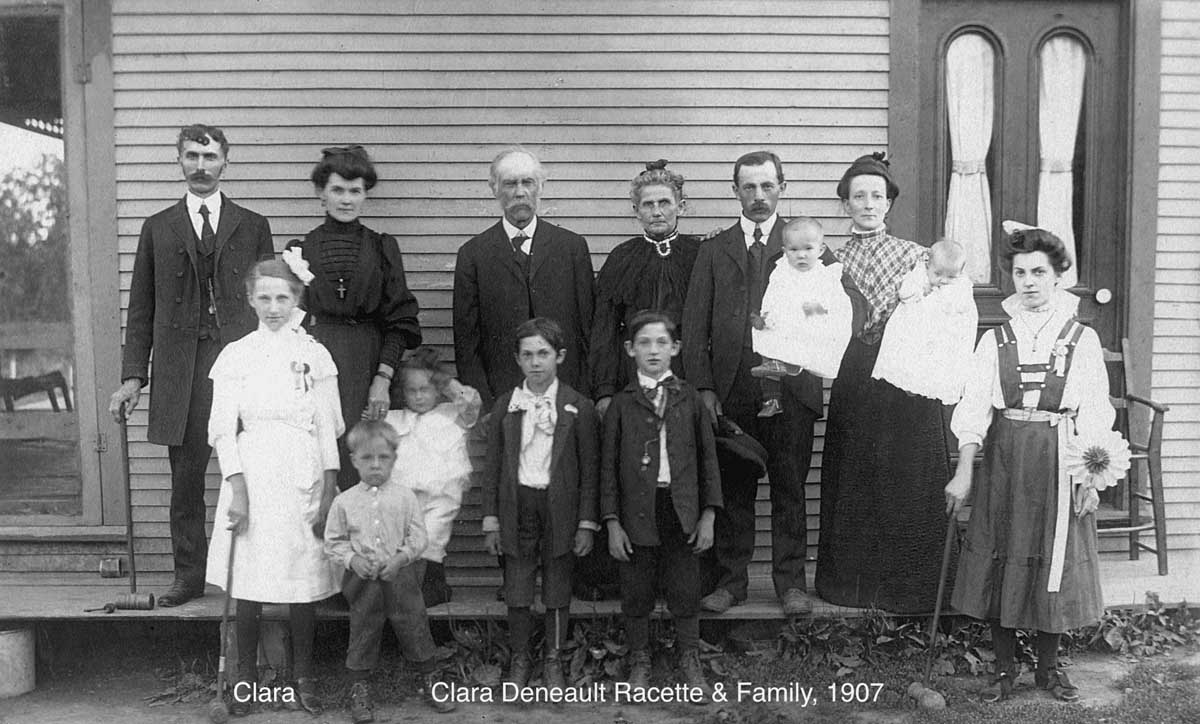
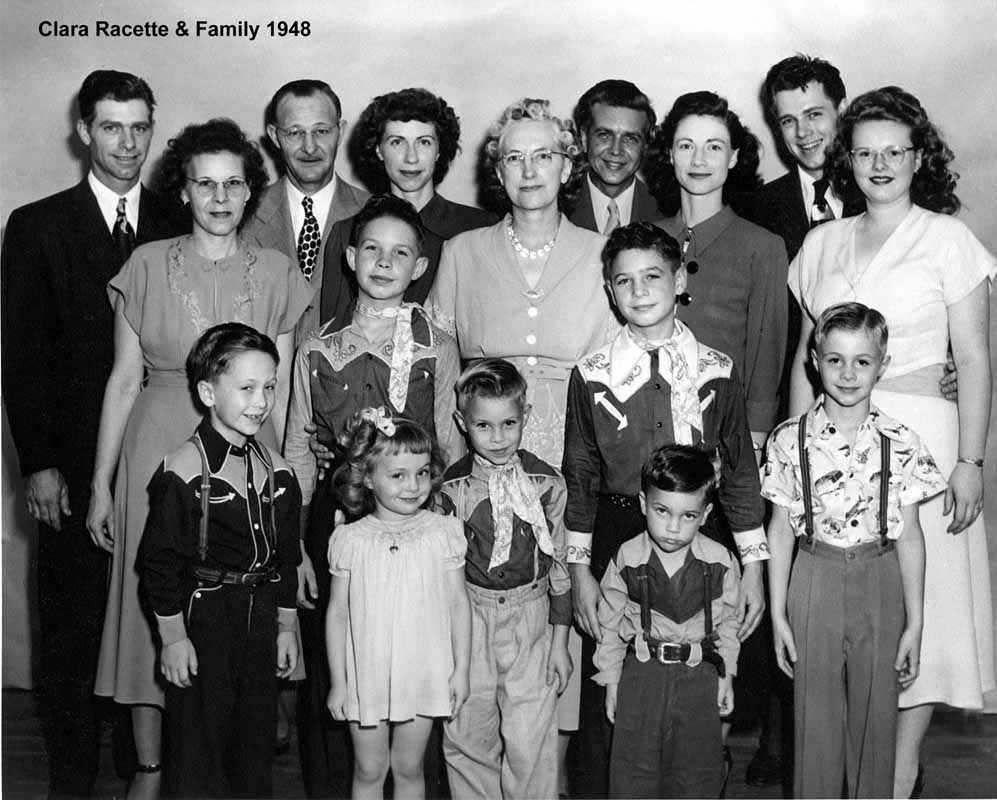
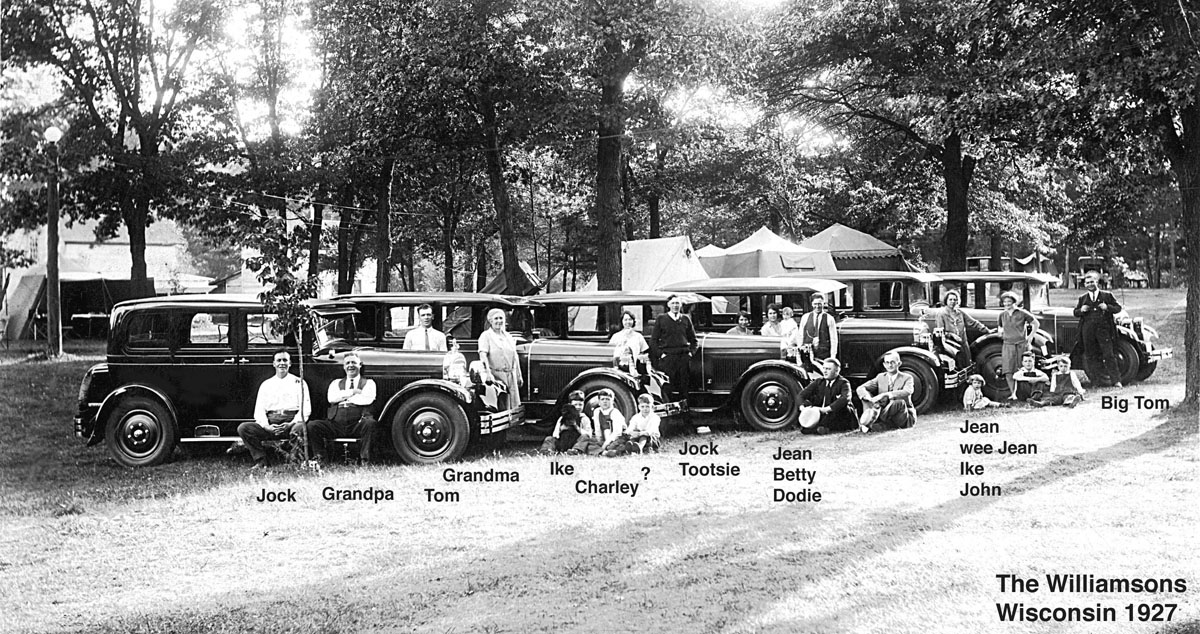
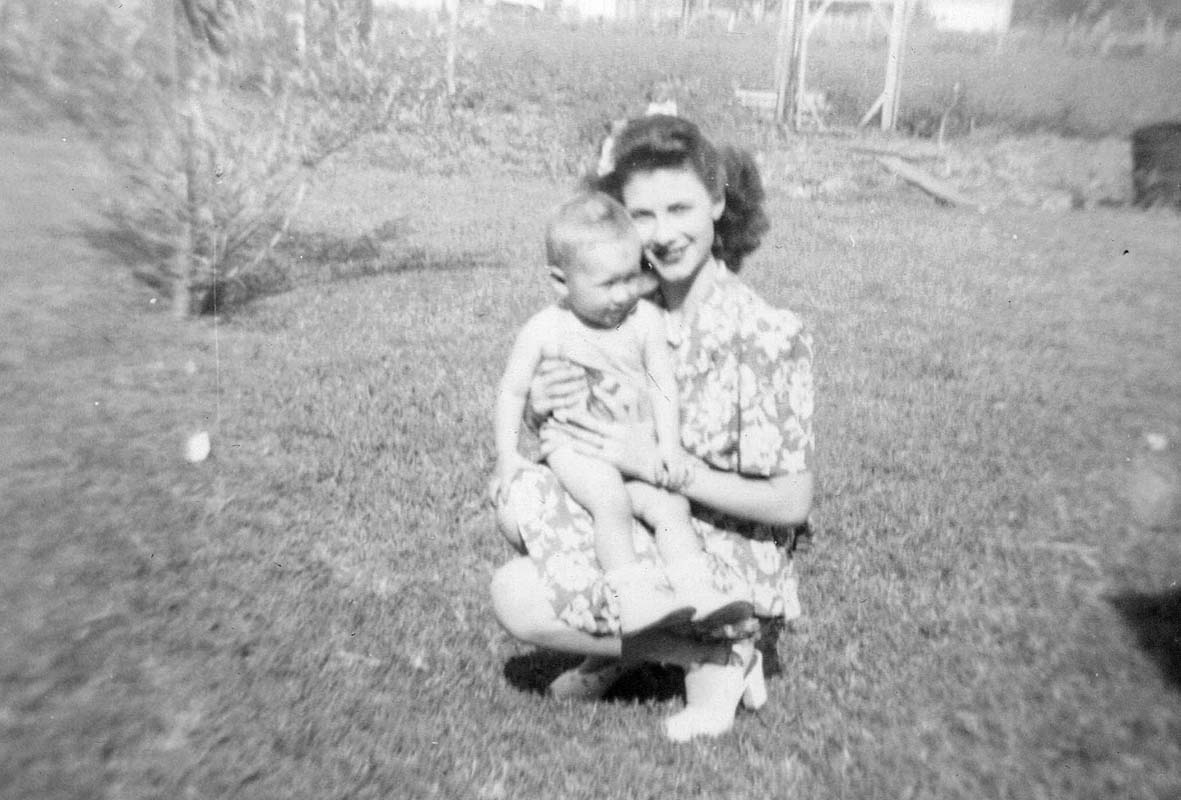
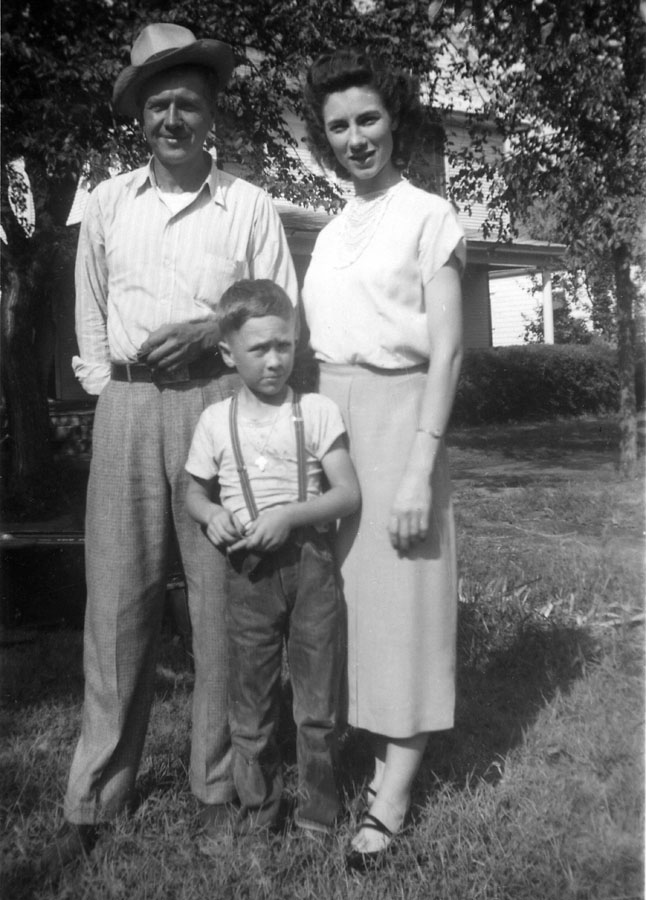
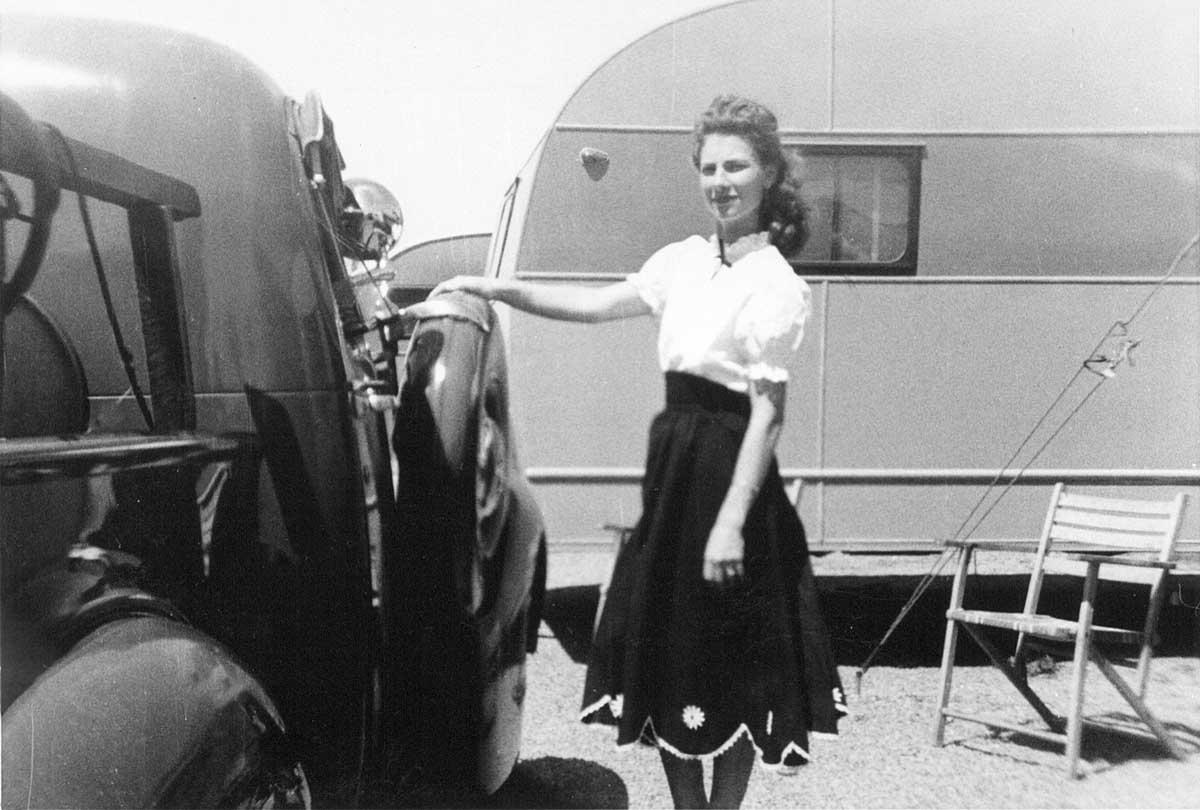
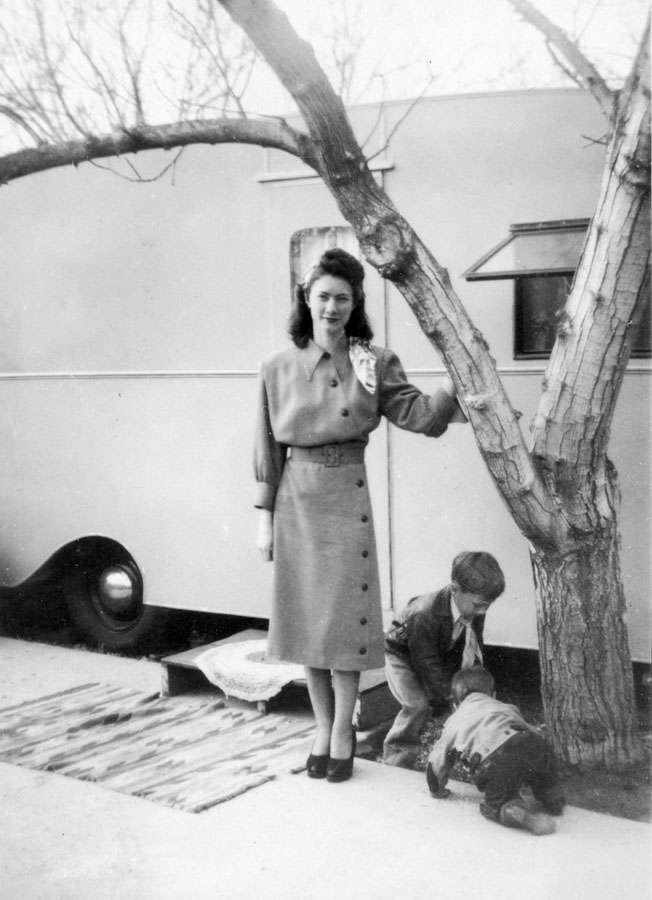
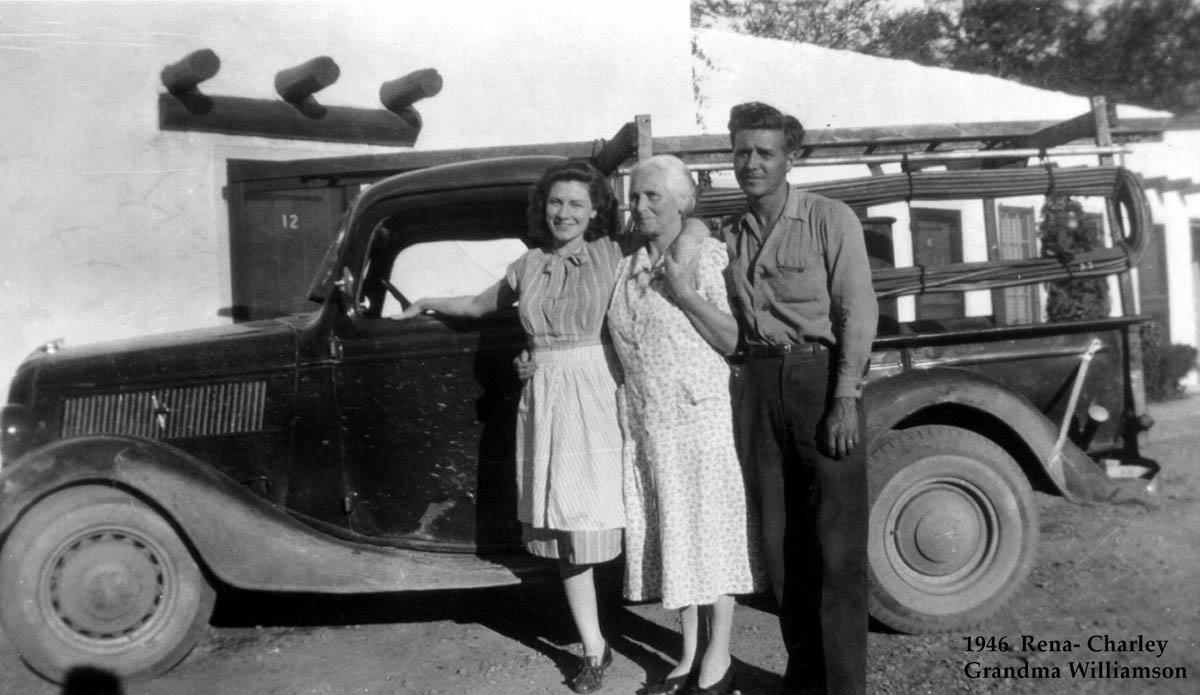
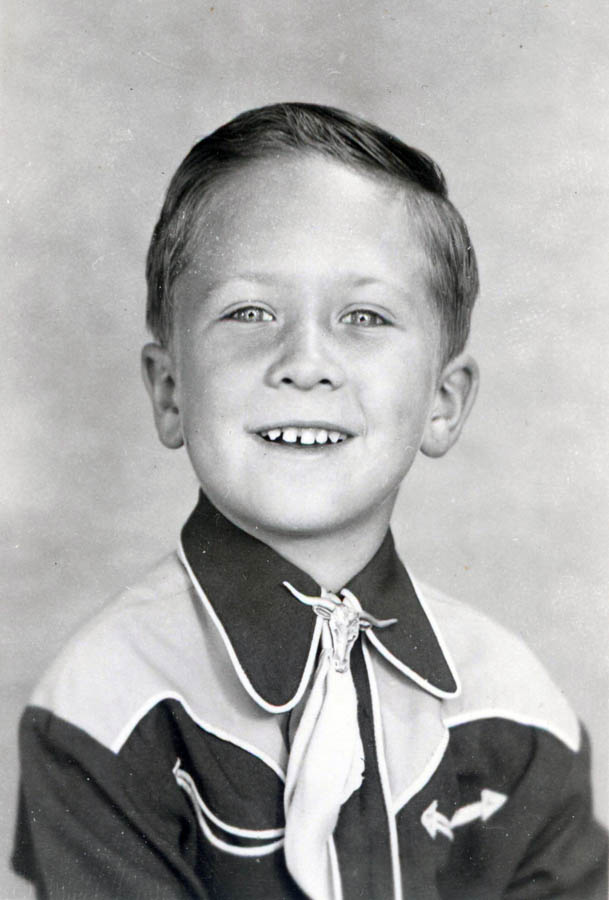
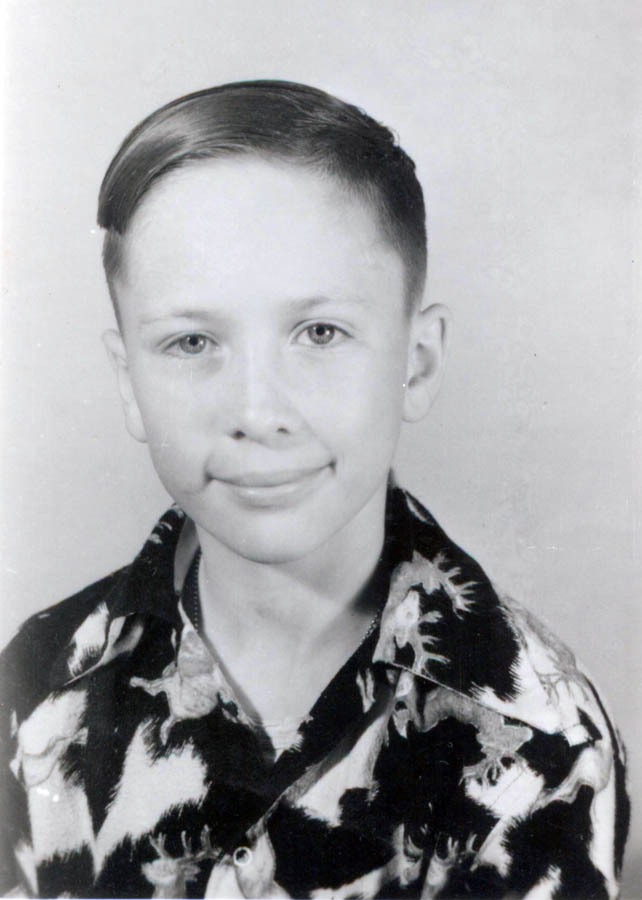
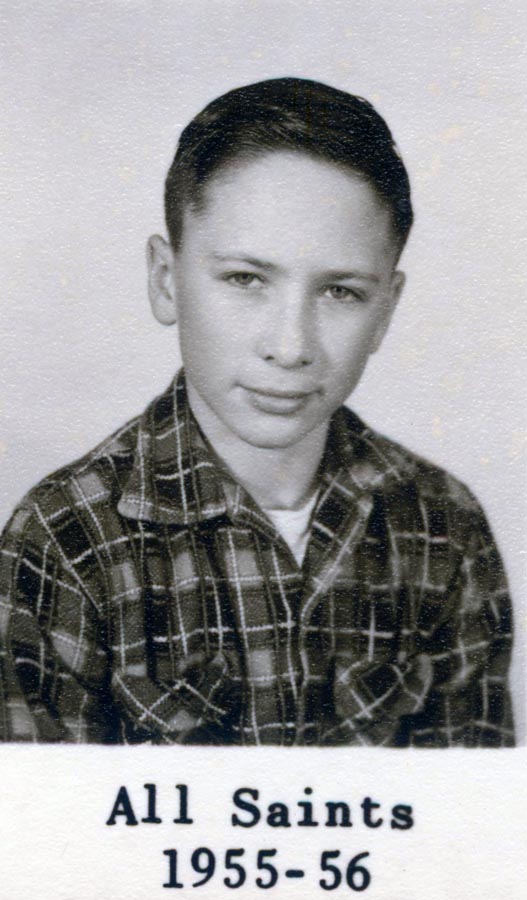
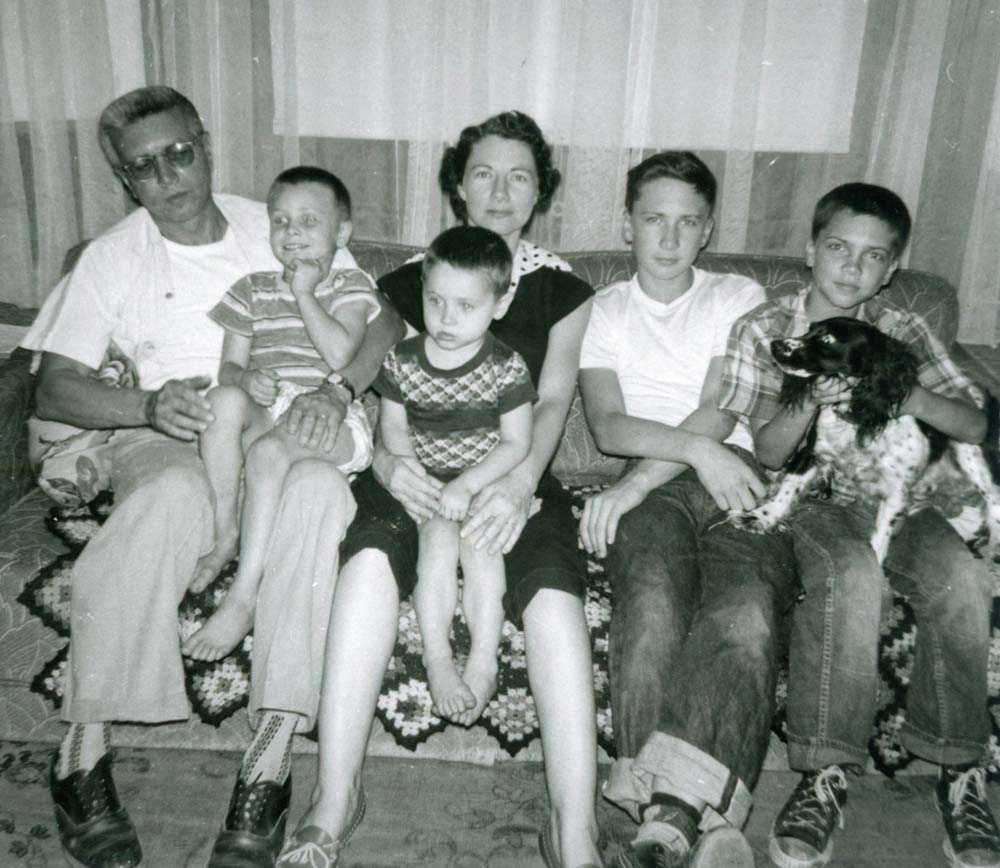
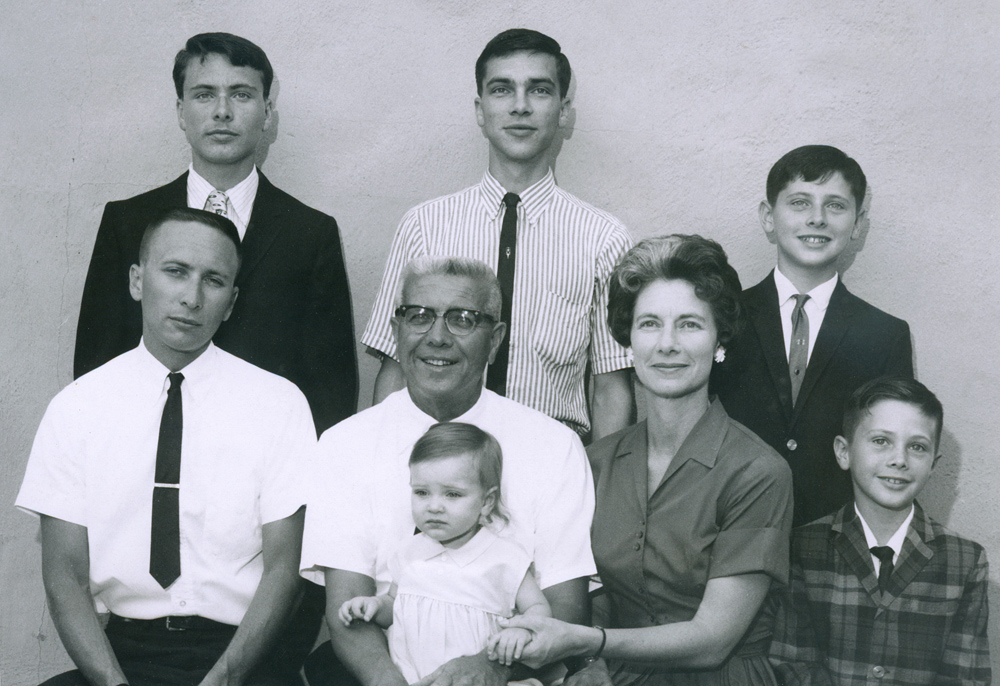
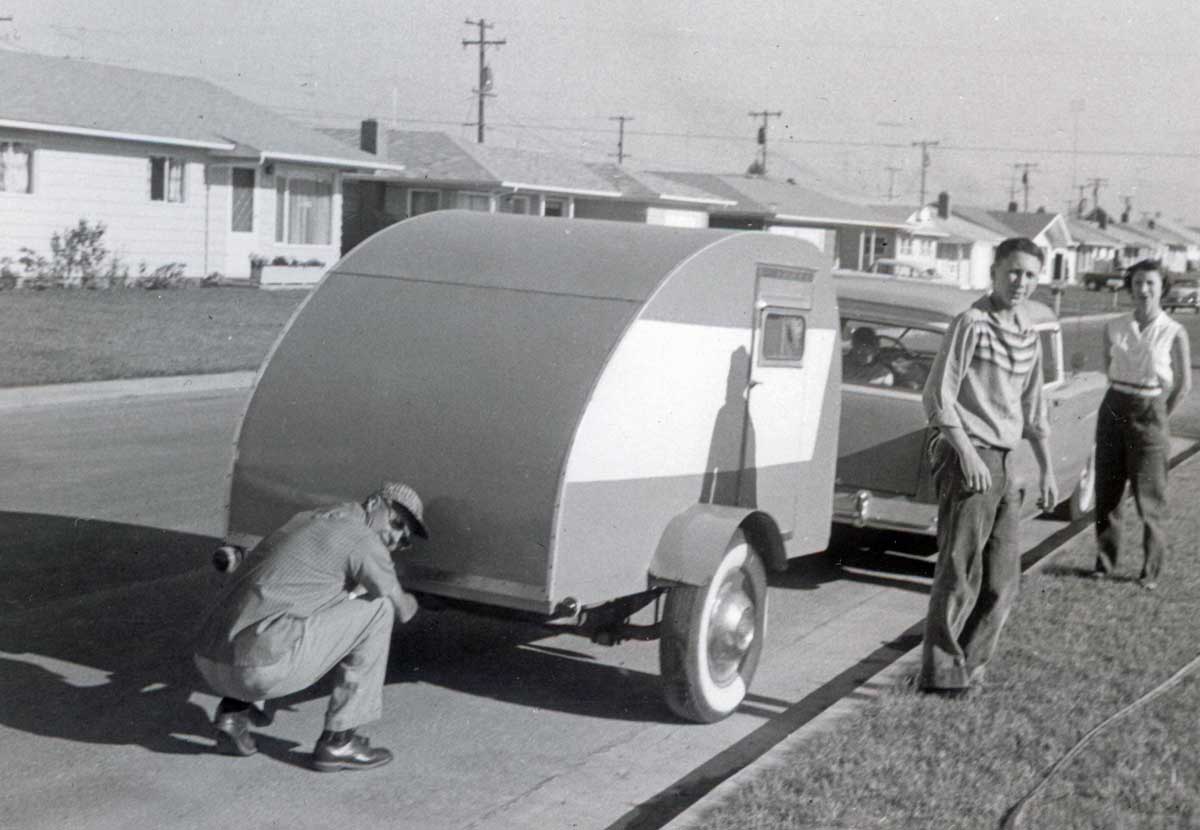
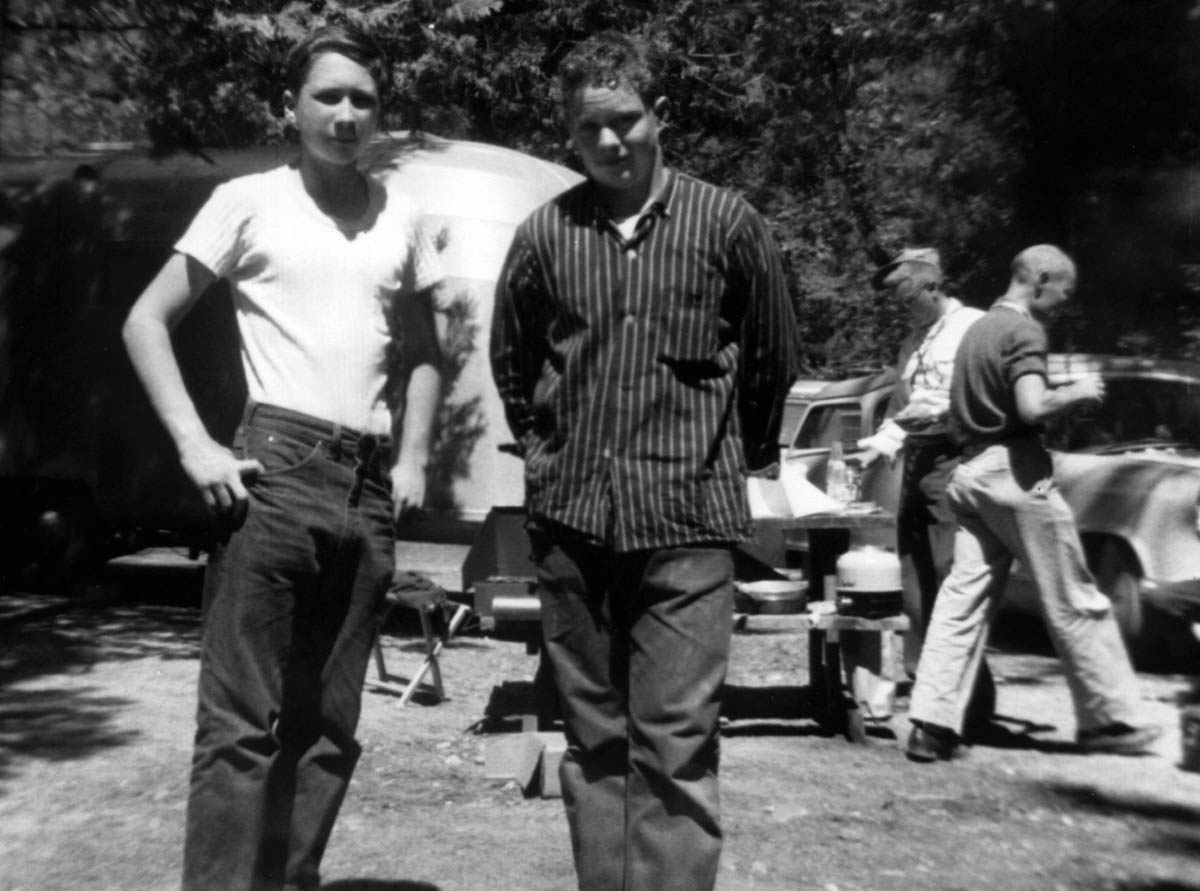
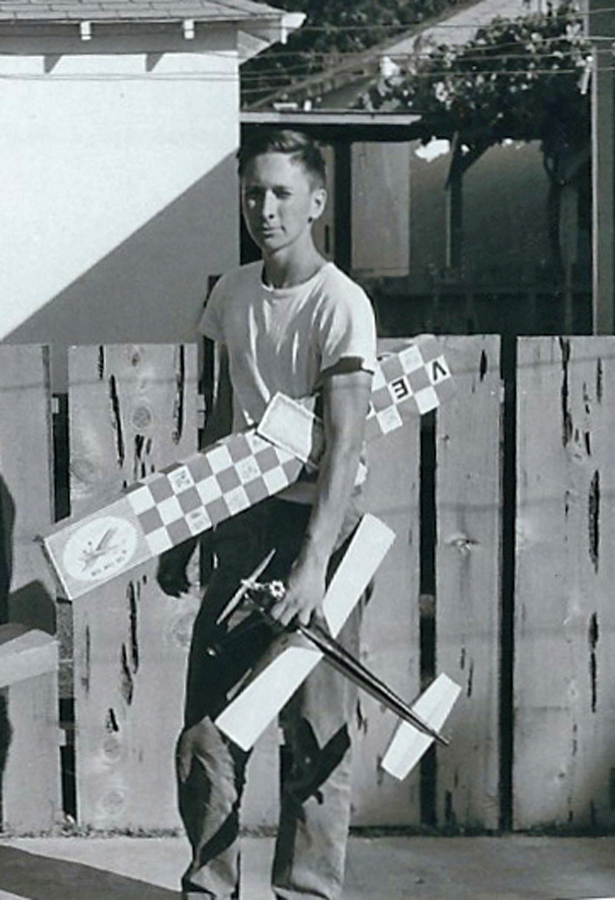
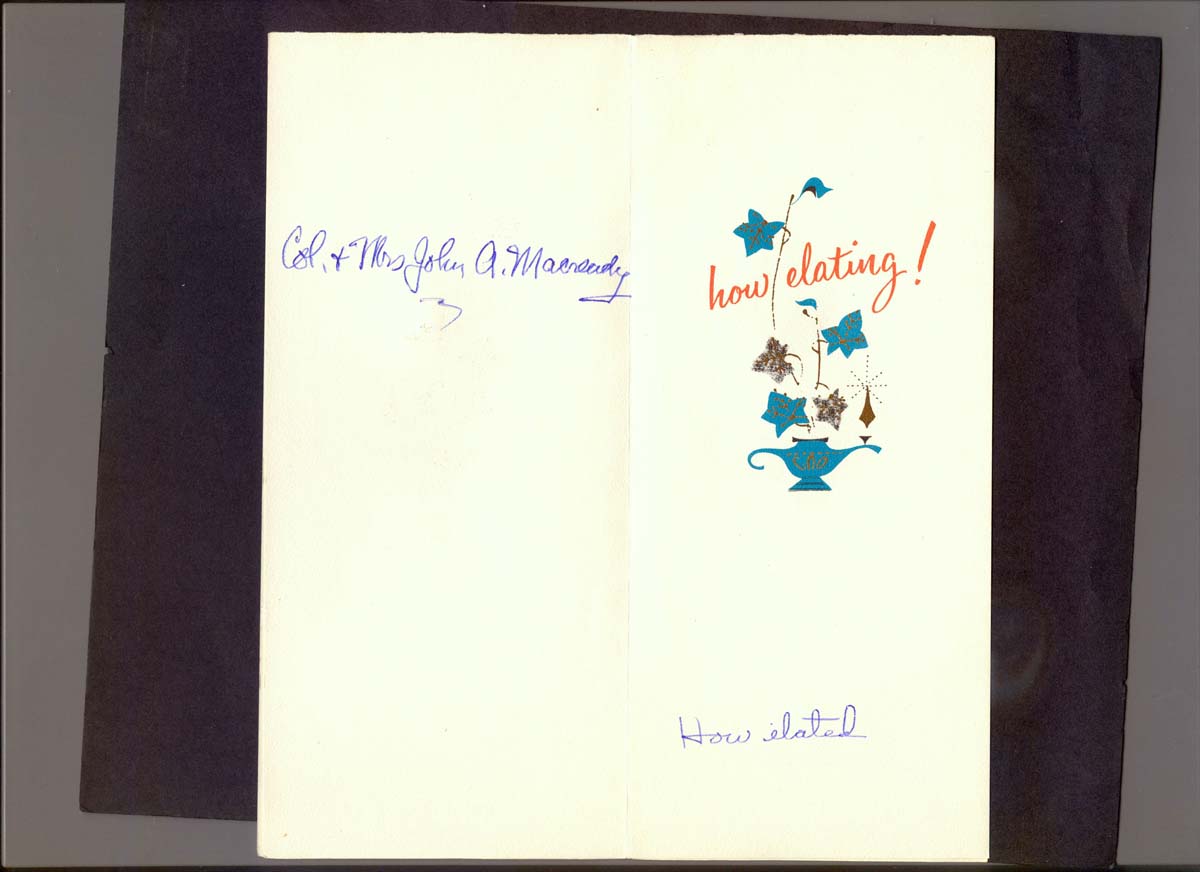
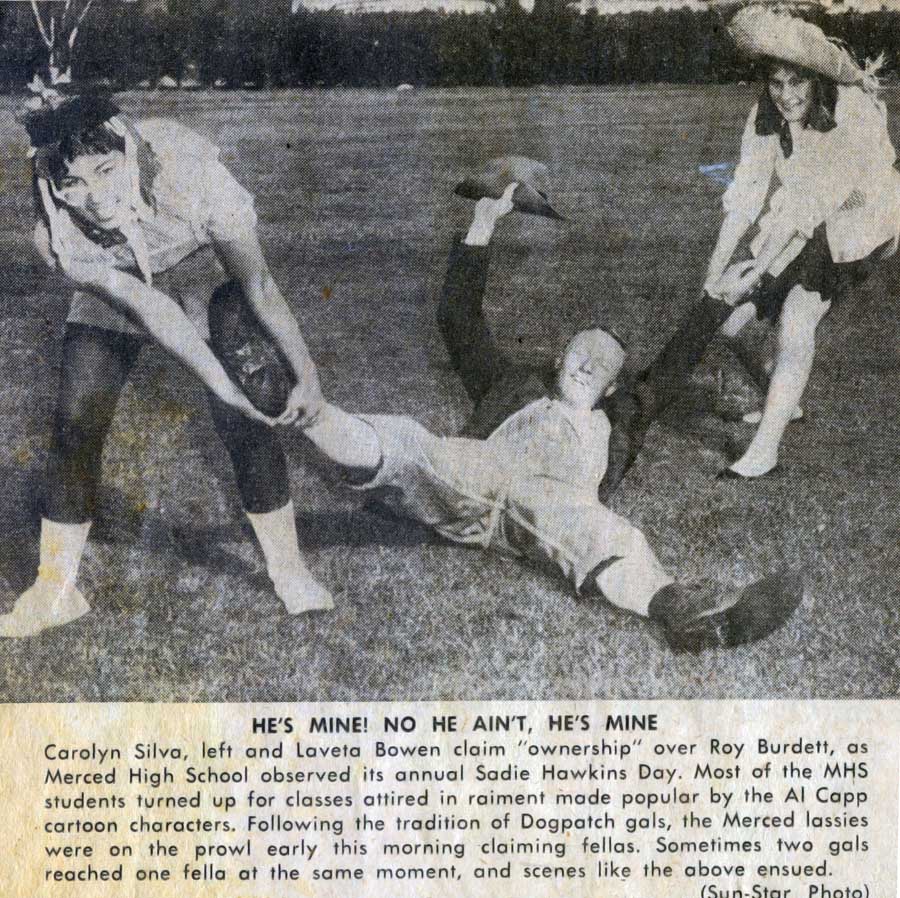
A Retrospective (click a picture for a full size version)
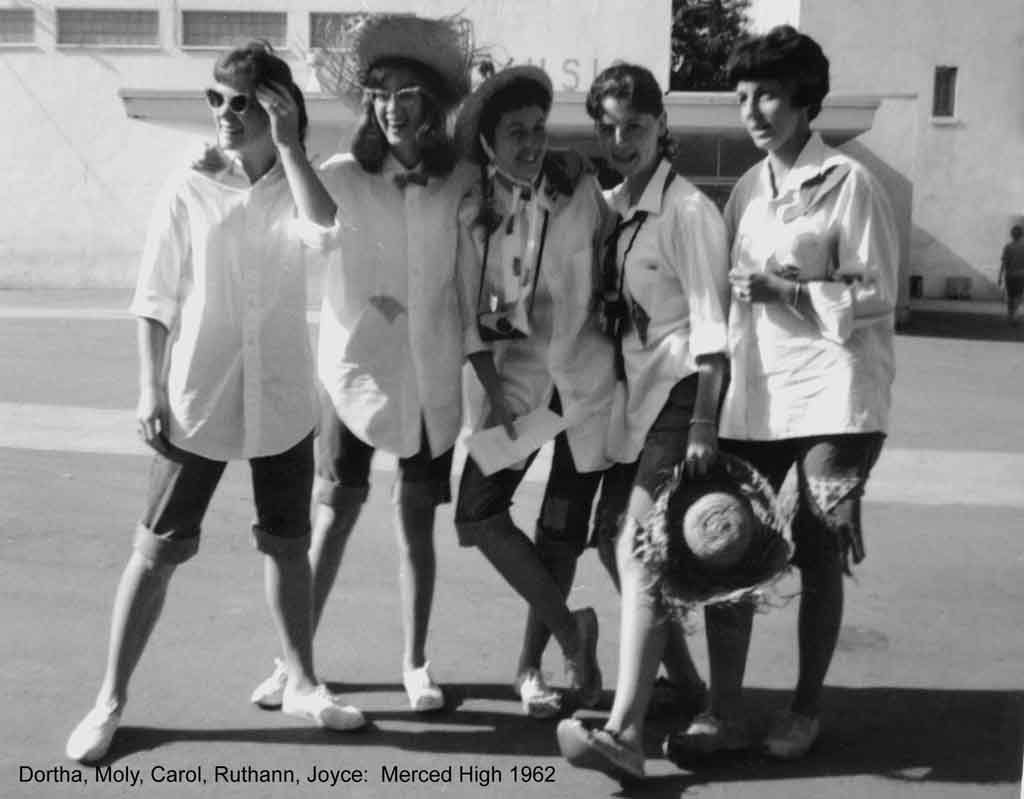
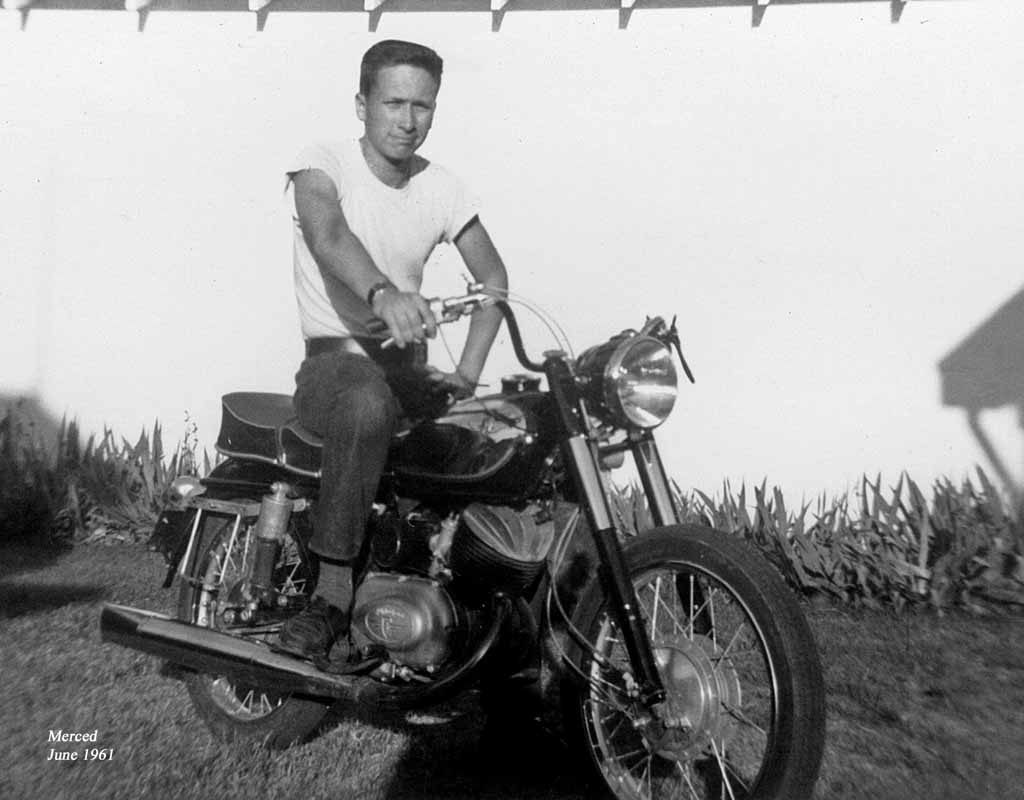
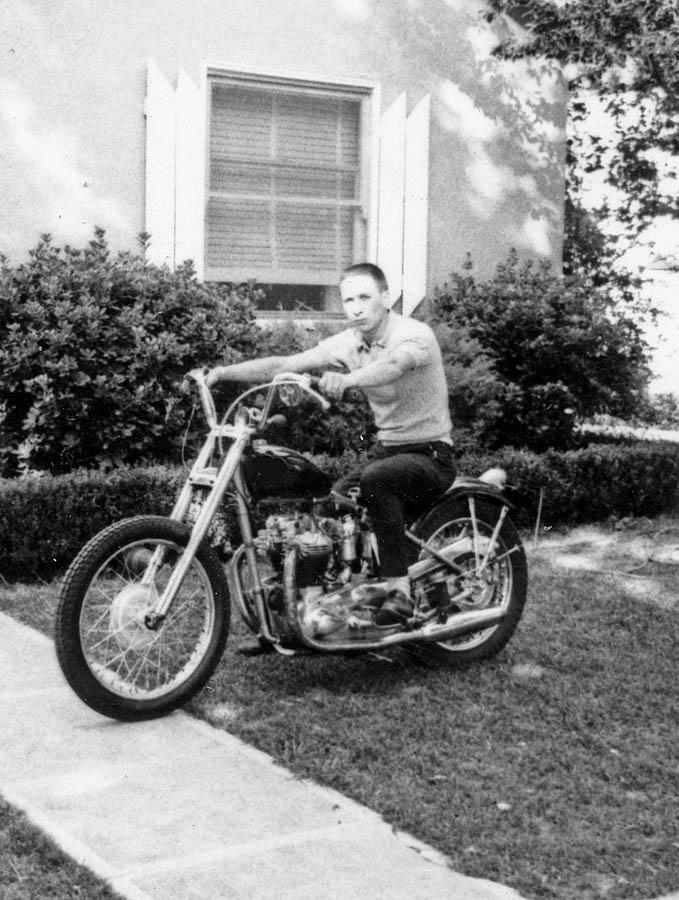
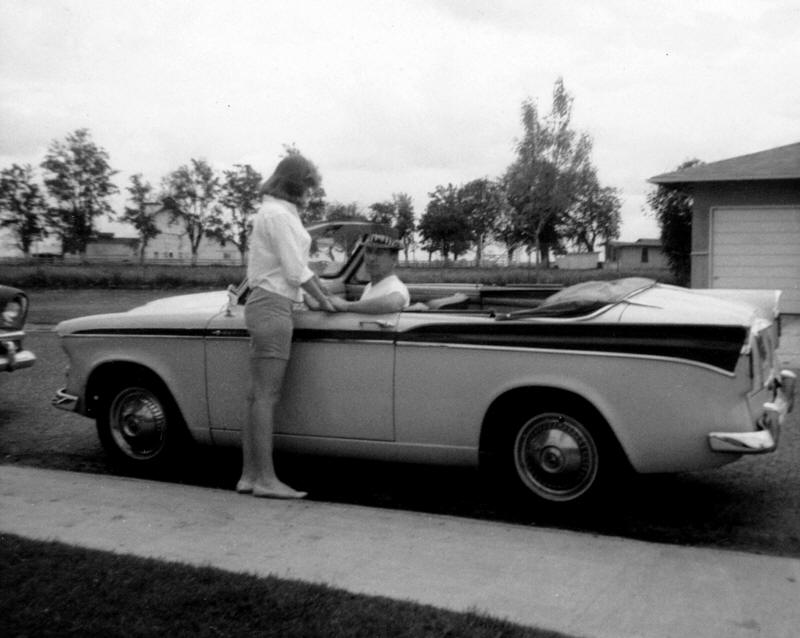
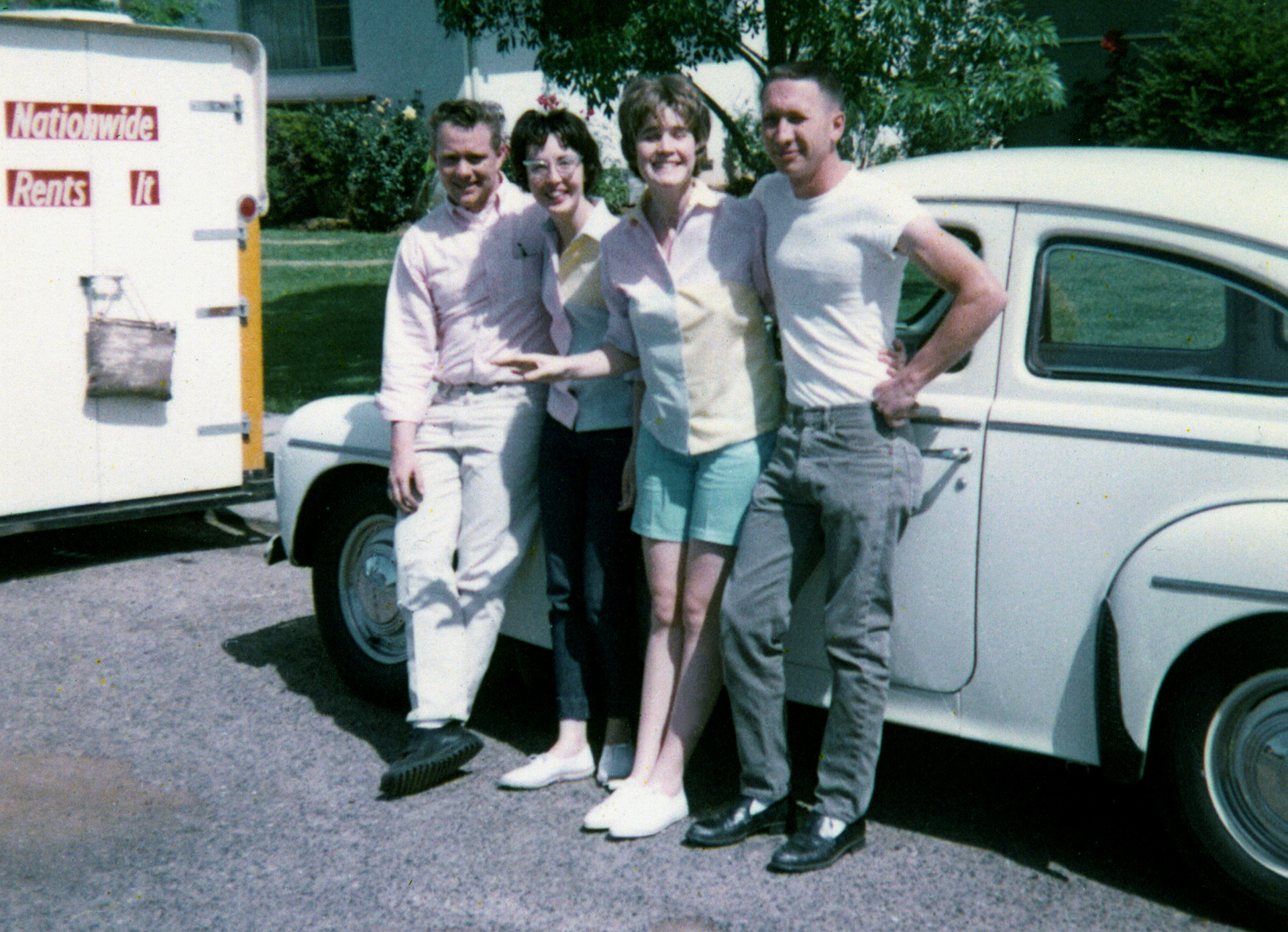
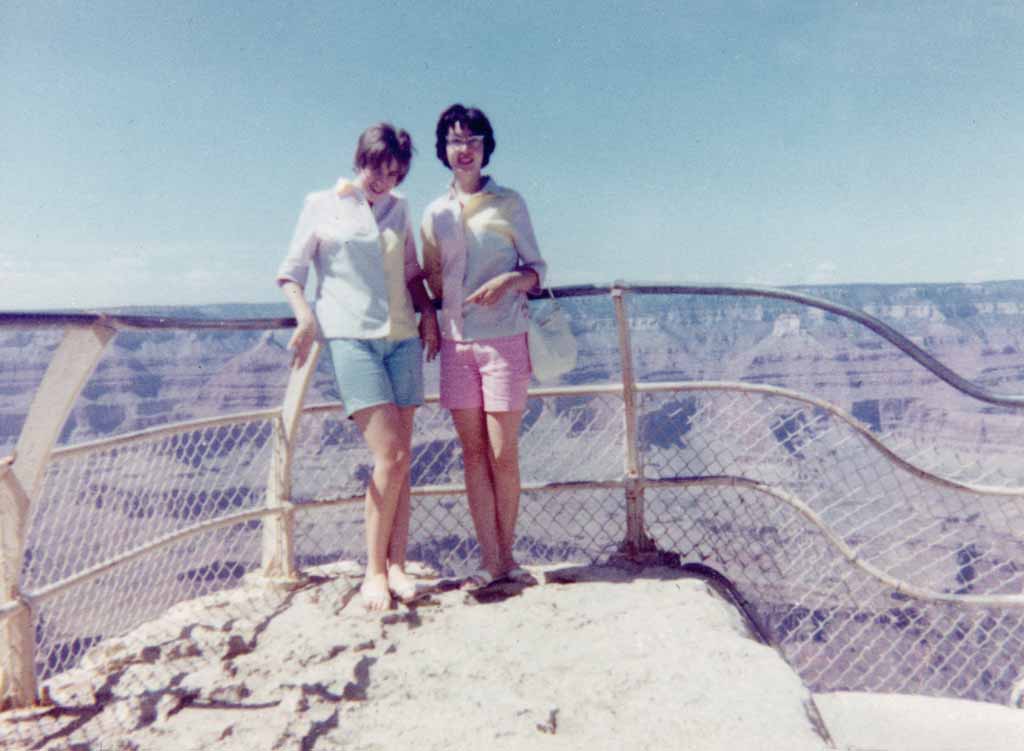
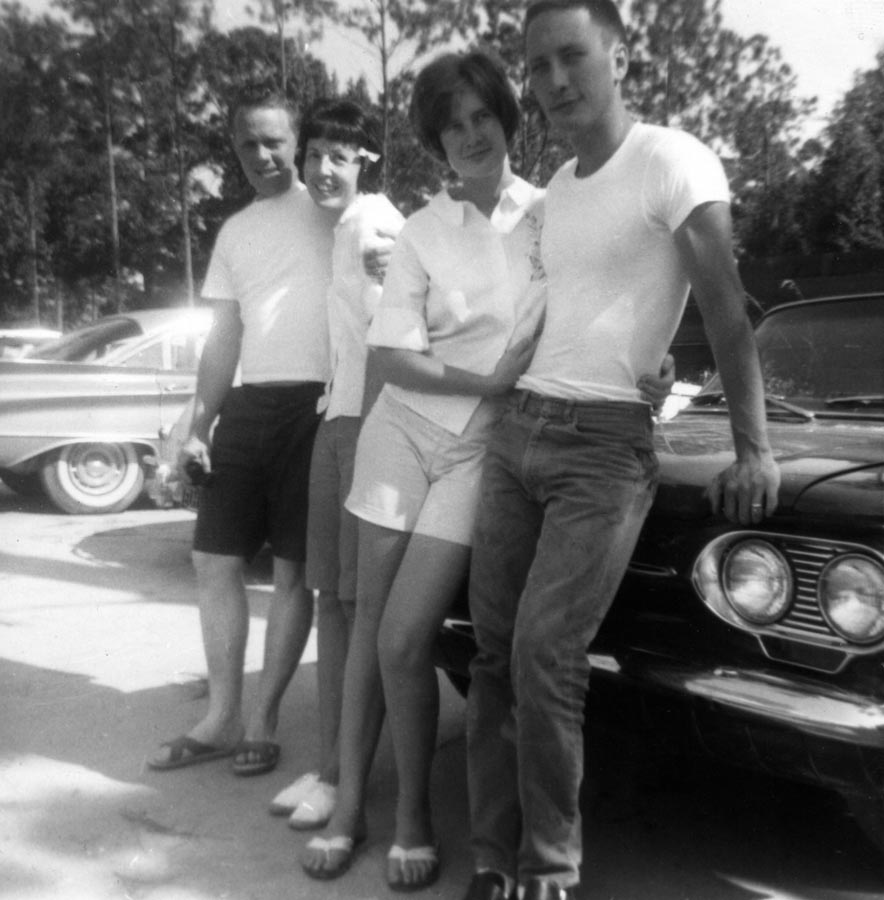
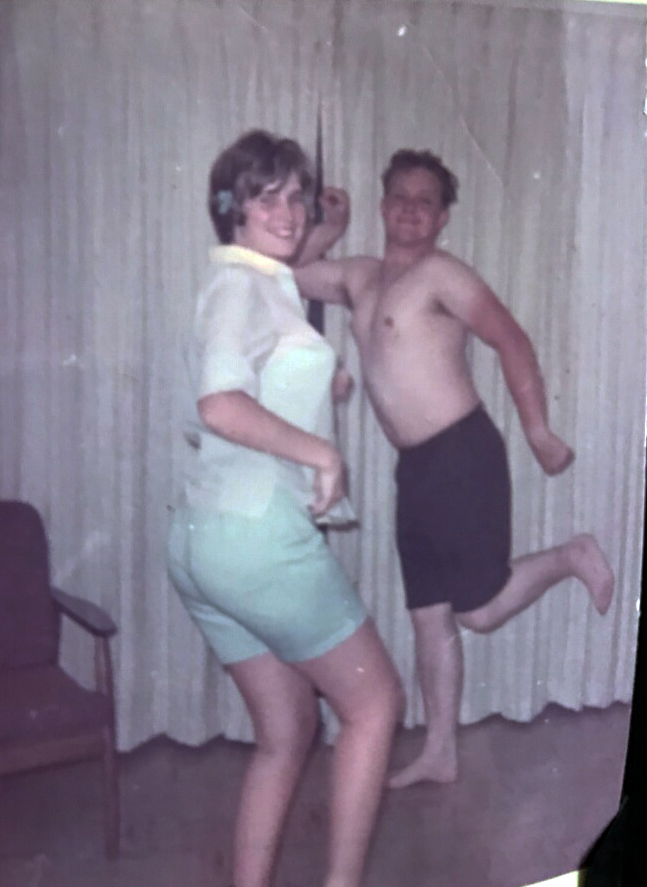
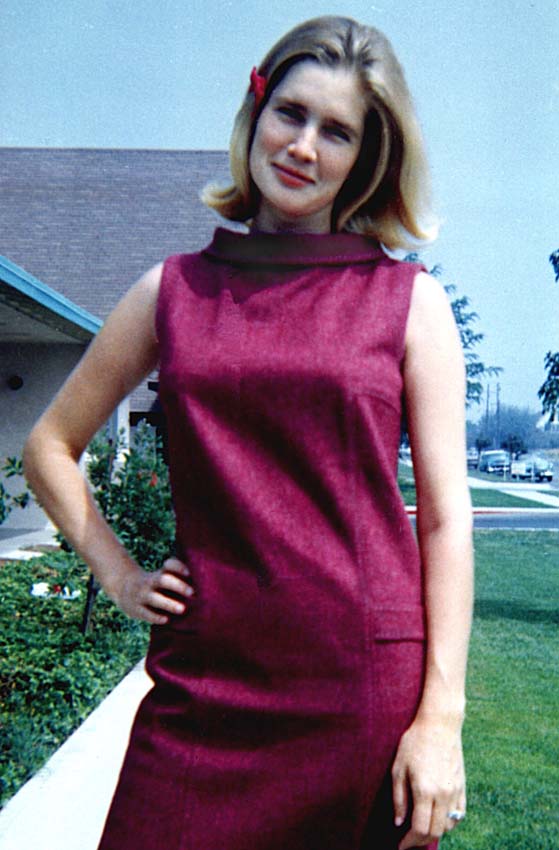
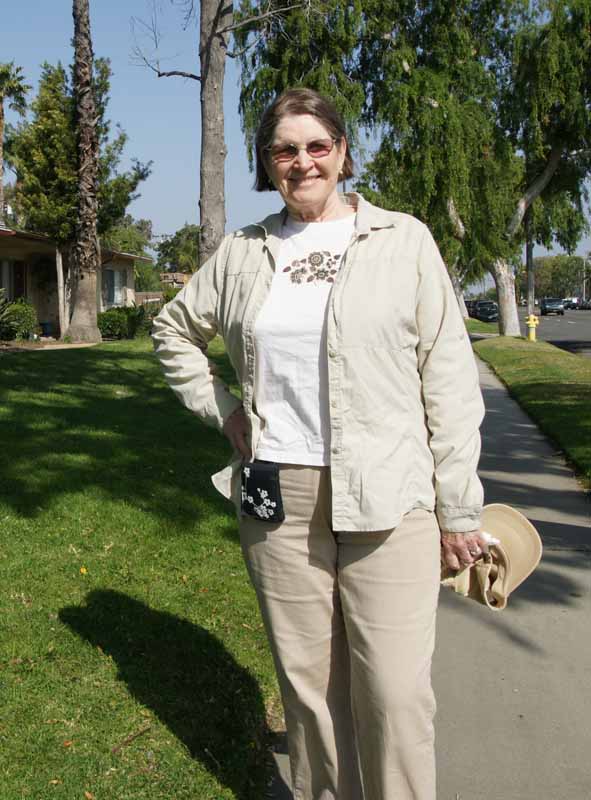
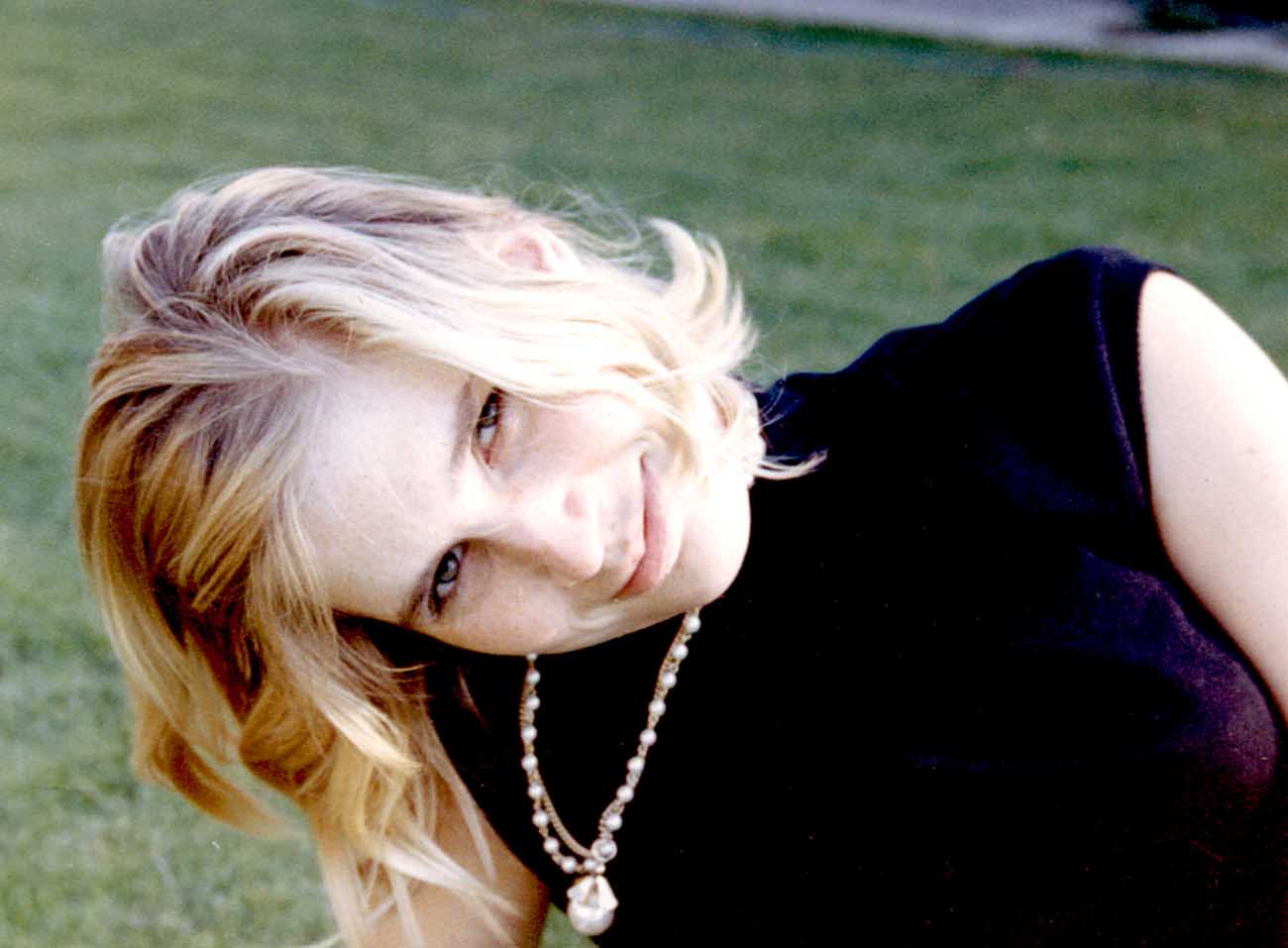
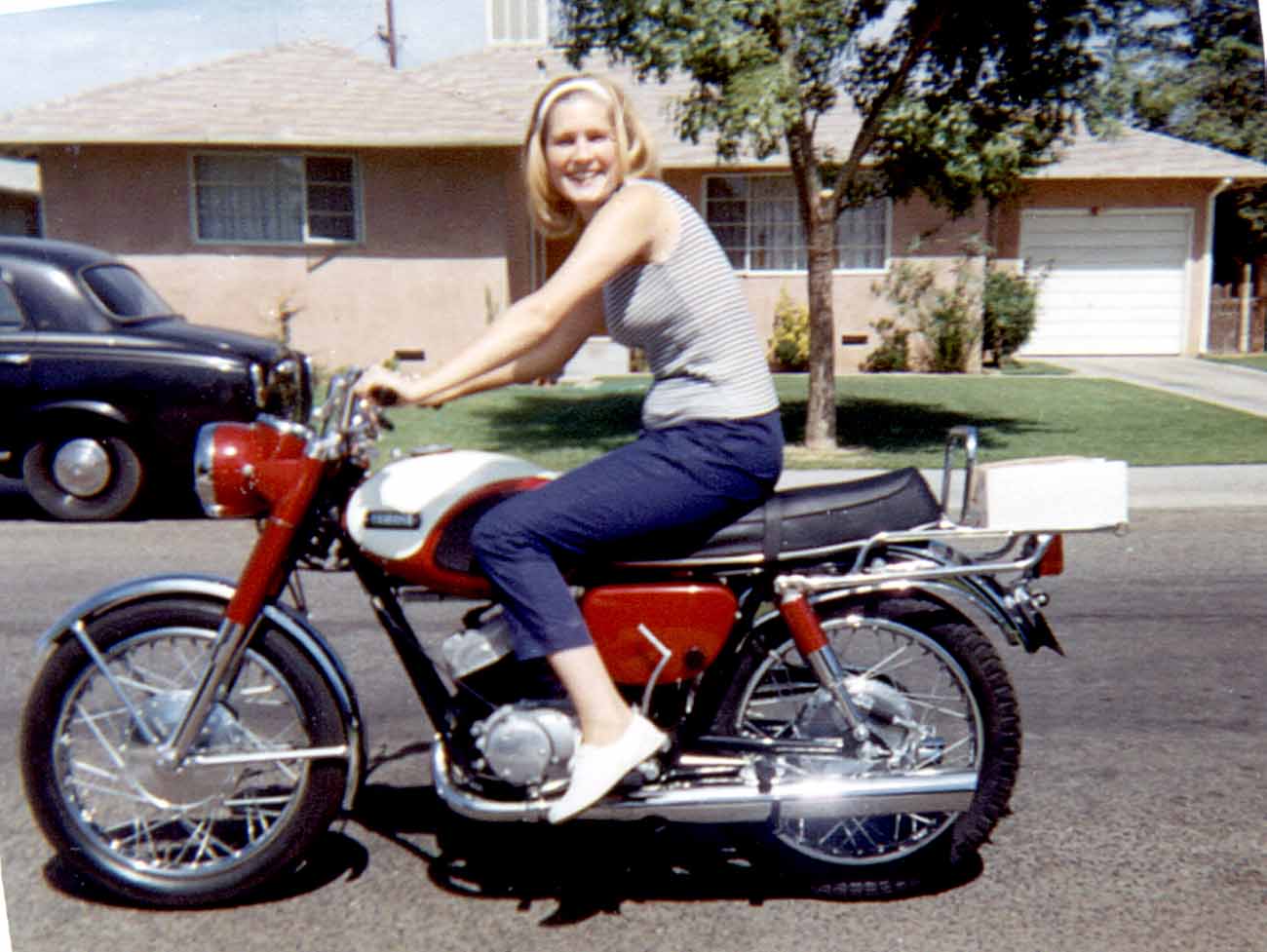
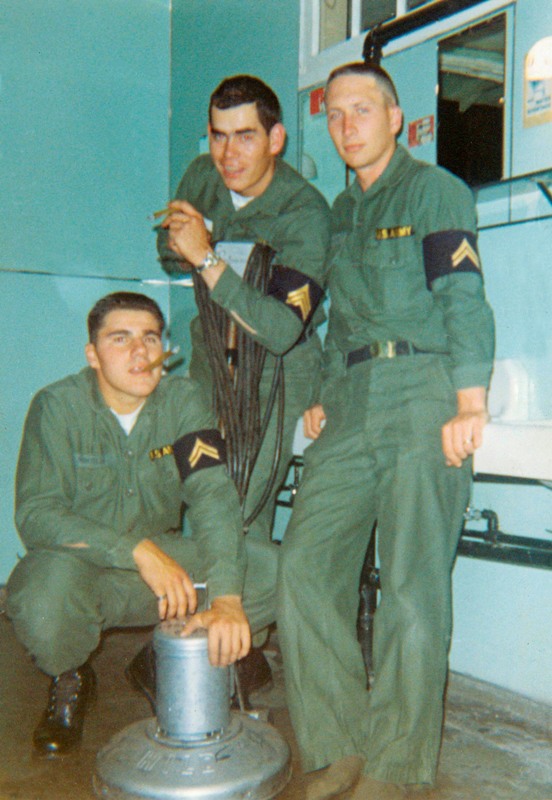
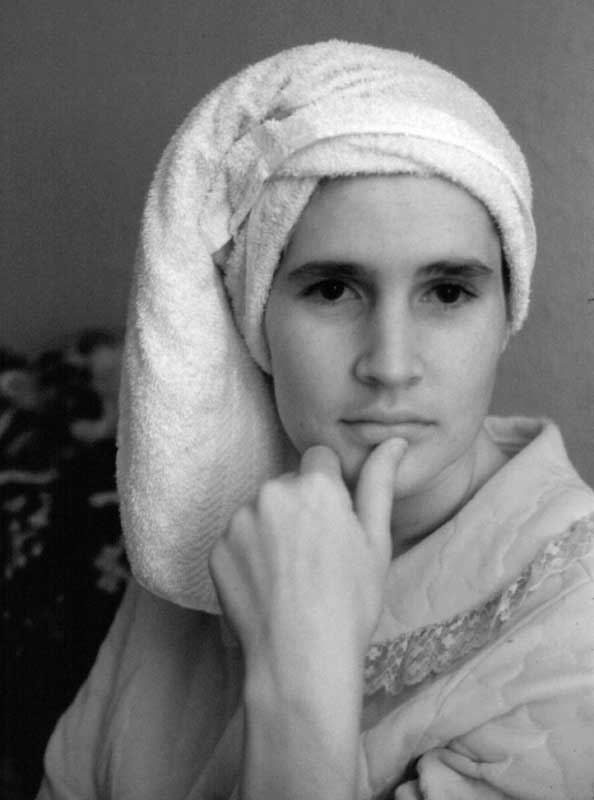
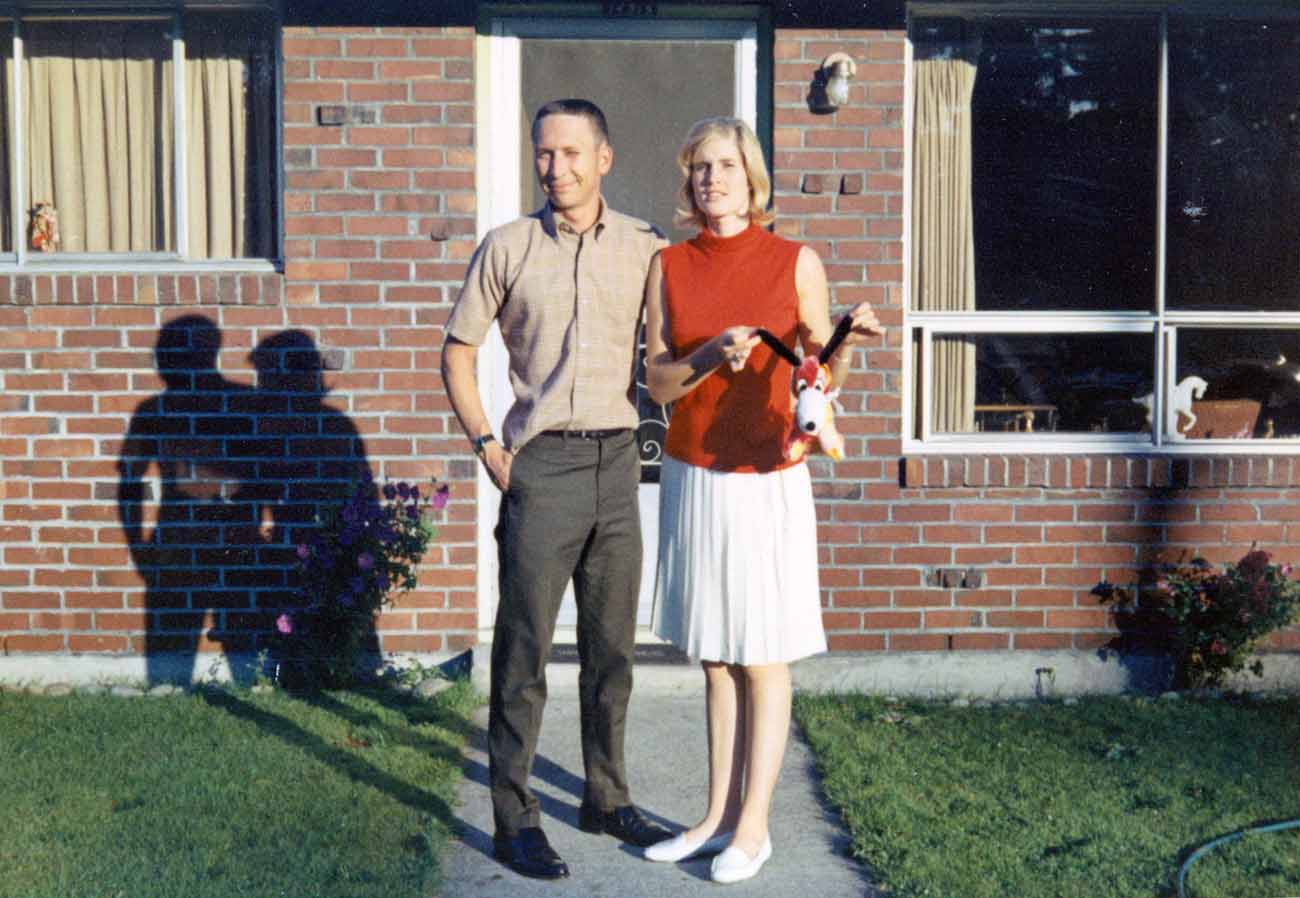
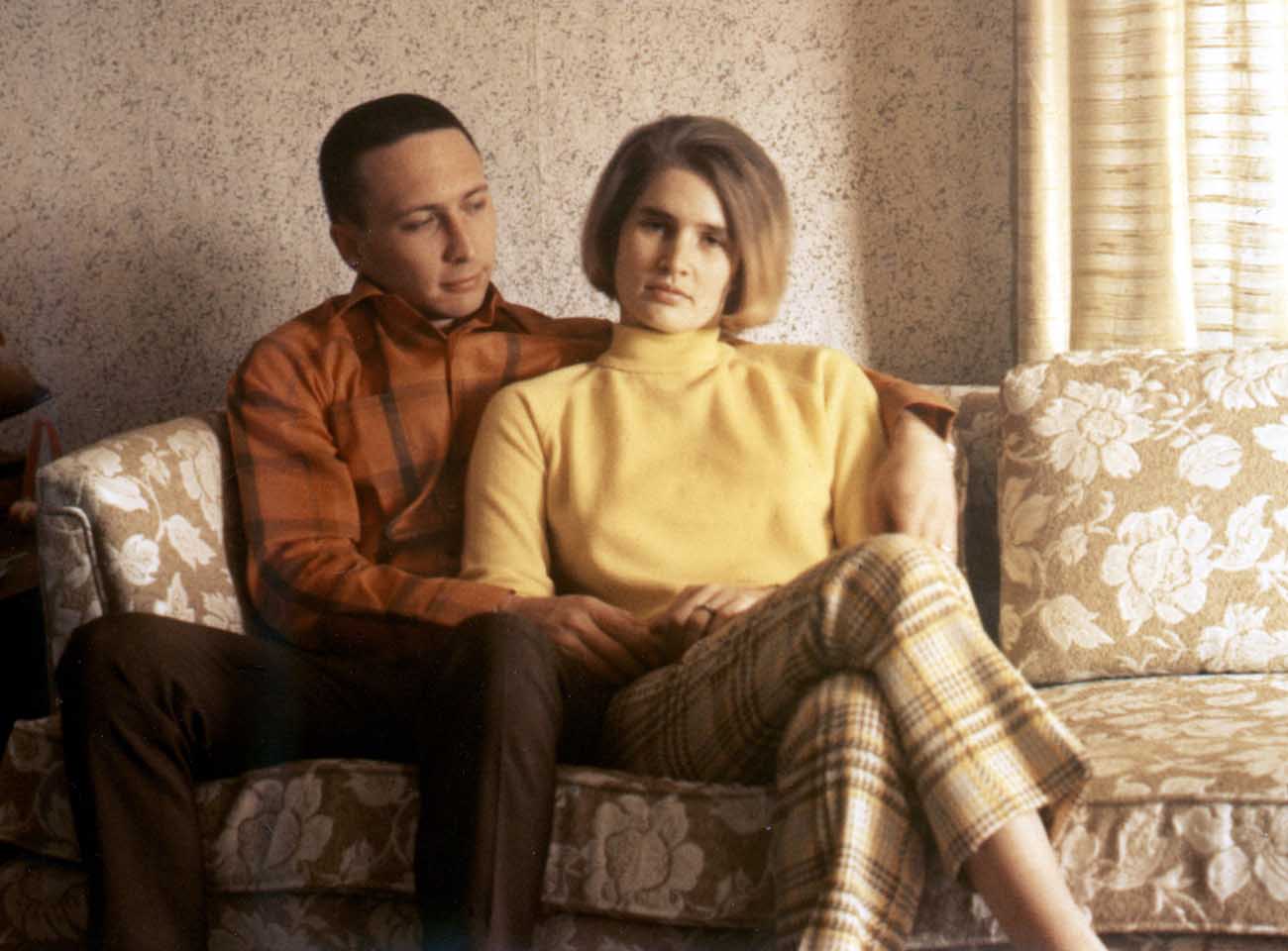
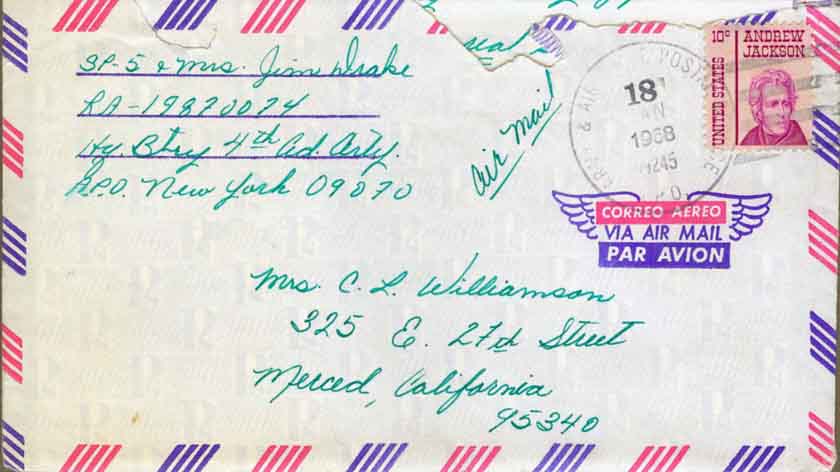
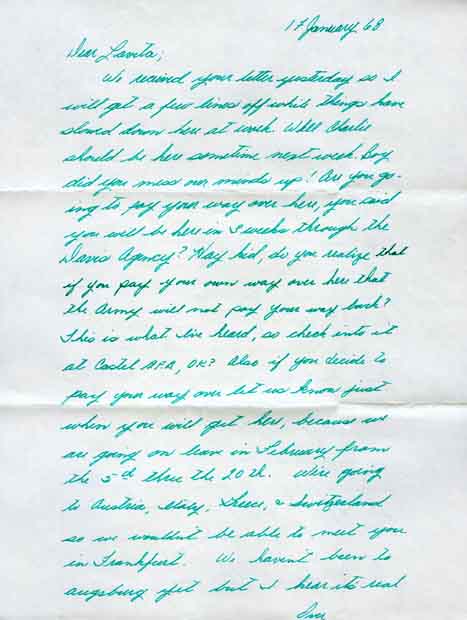
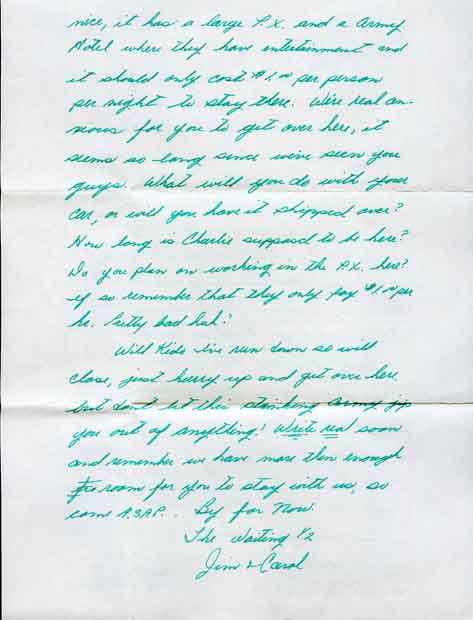
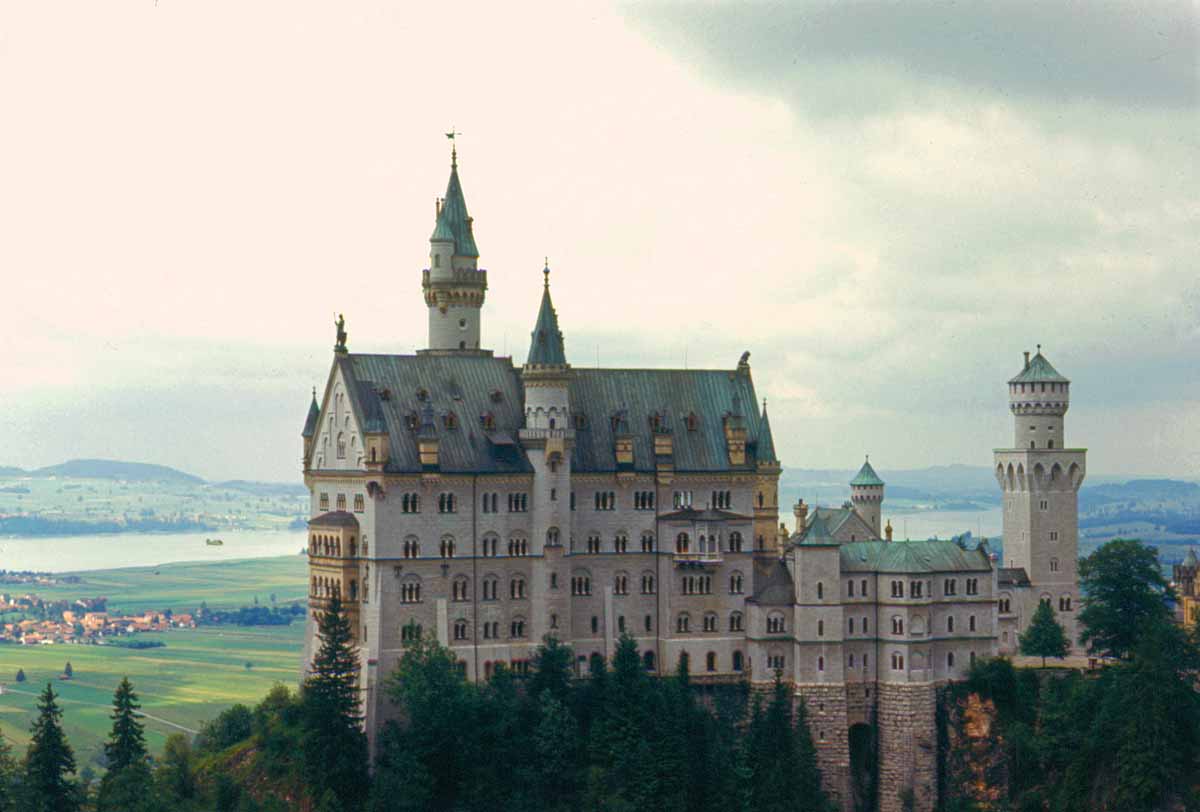
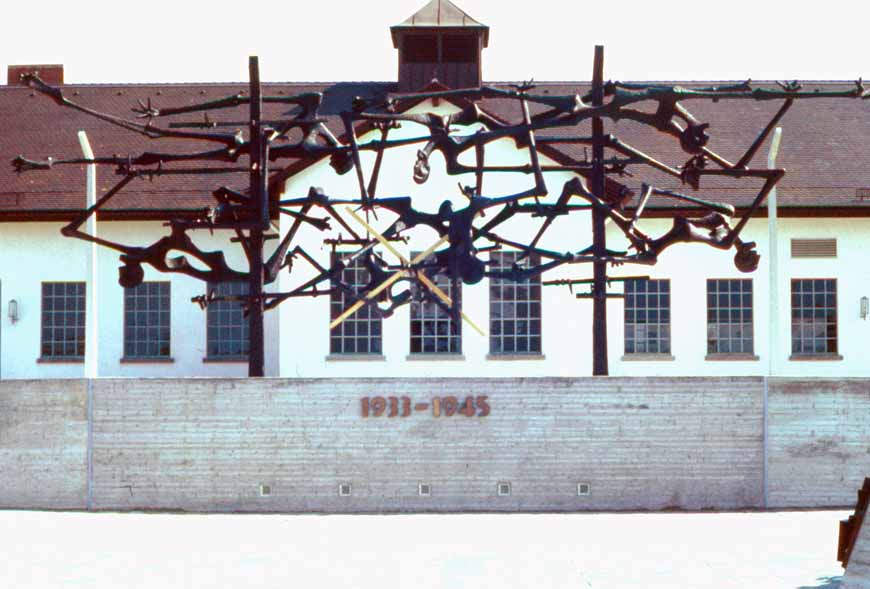
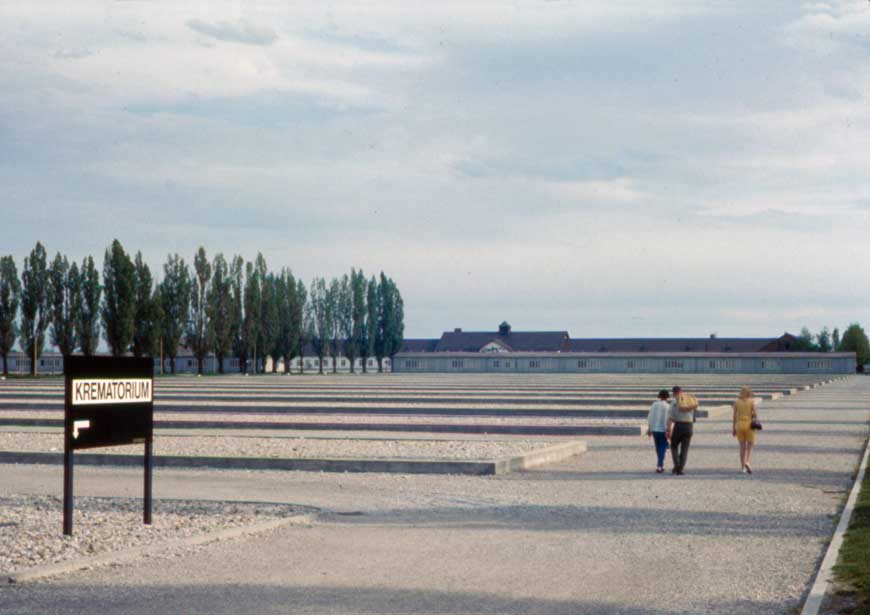
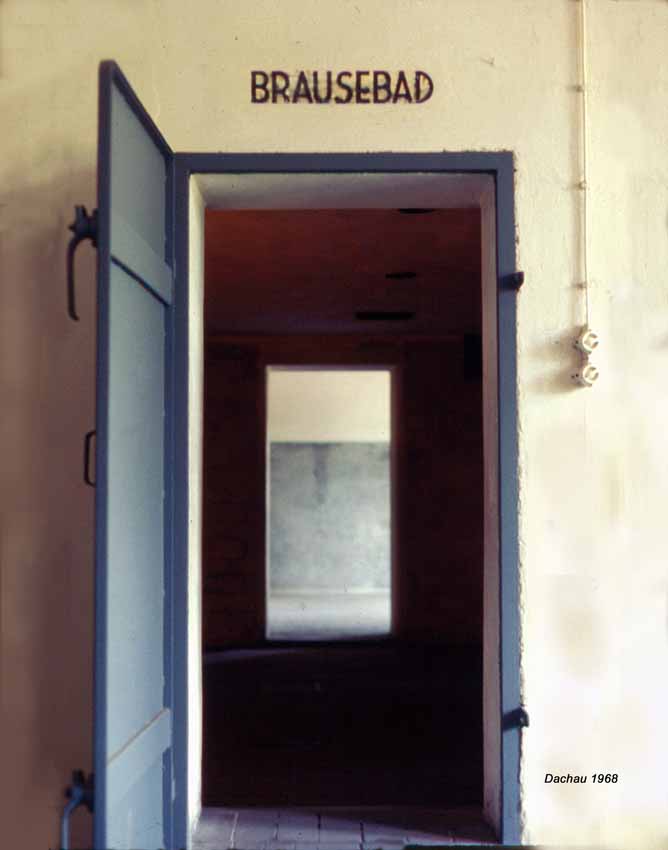
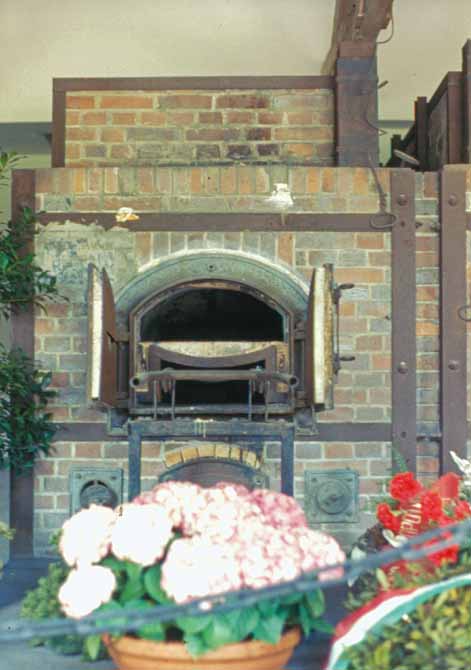
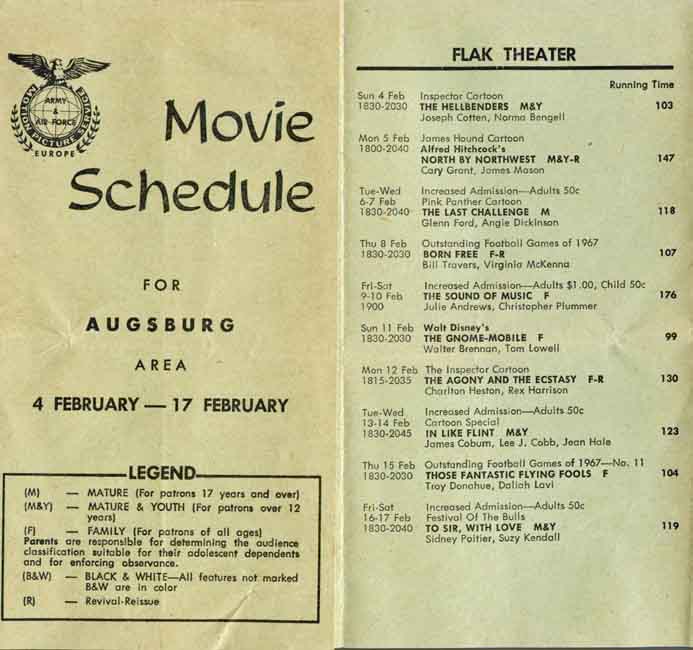
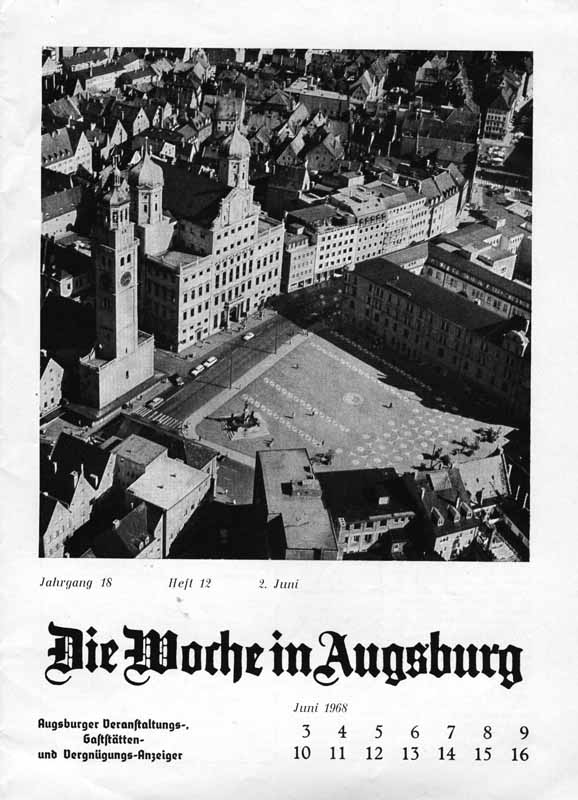
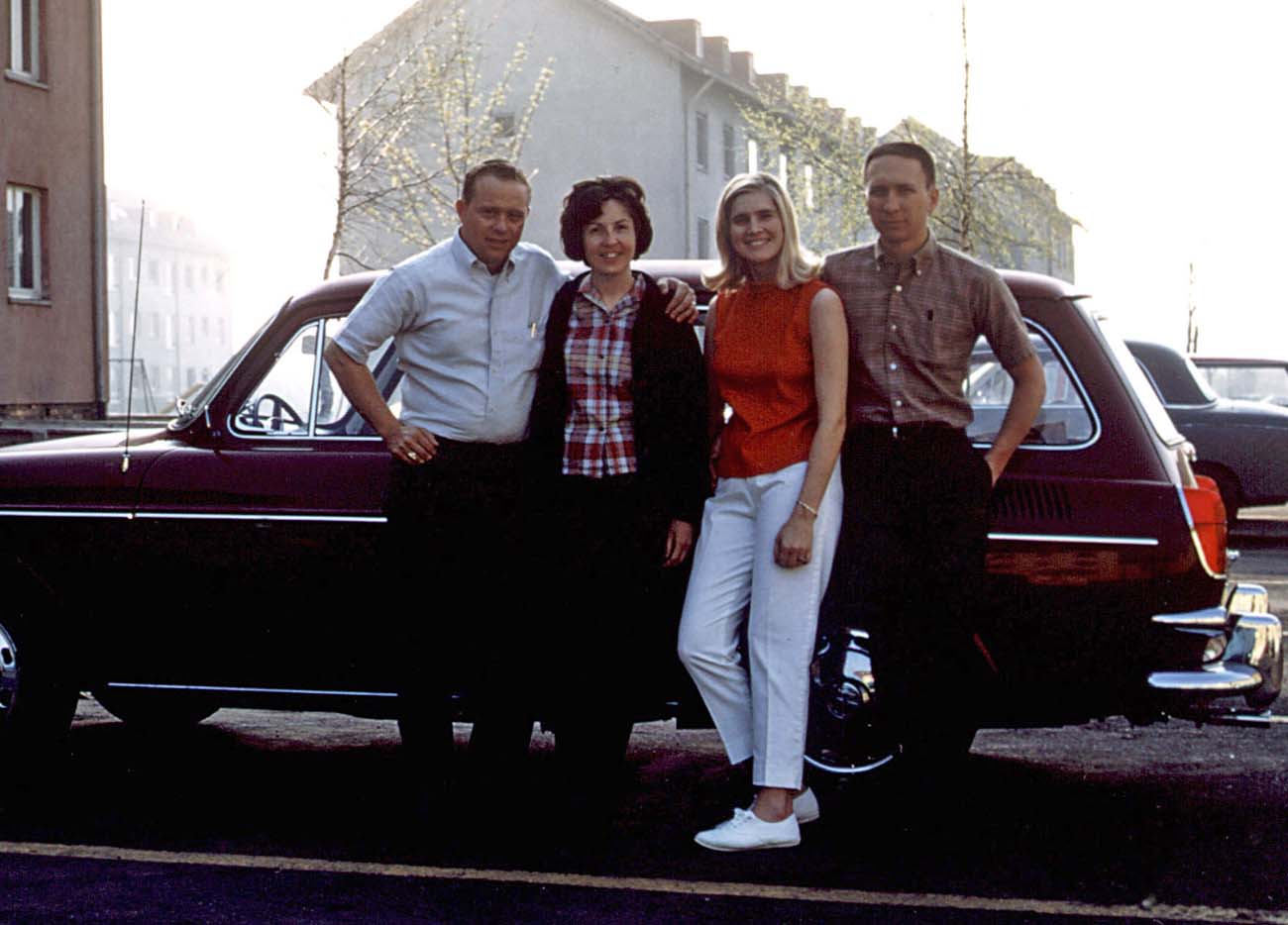
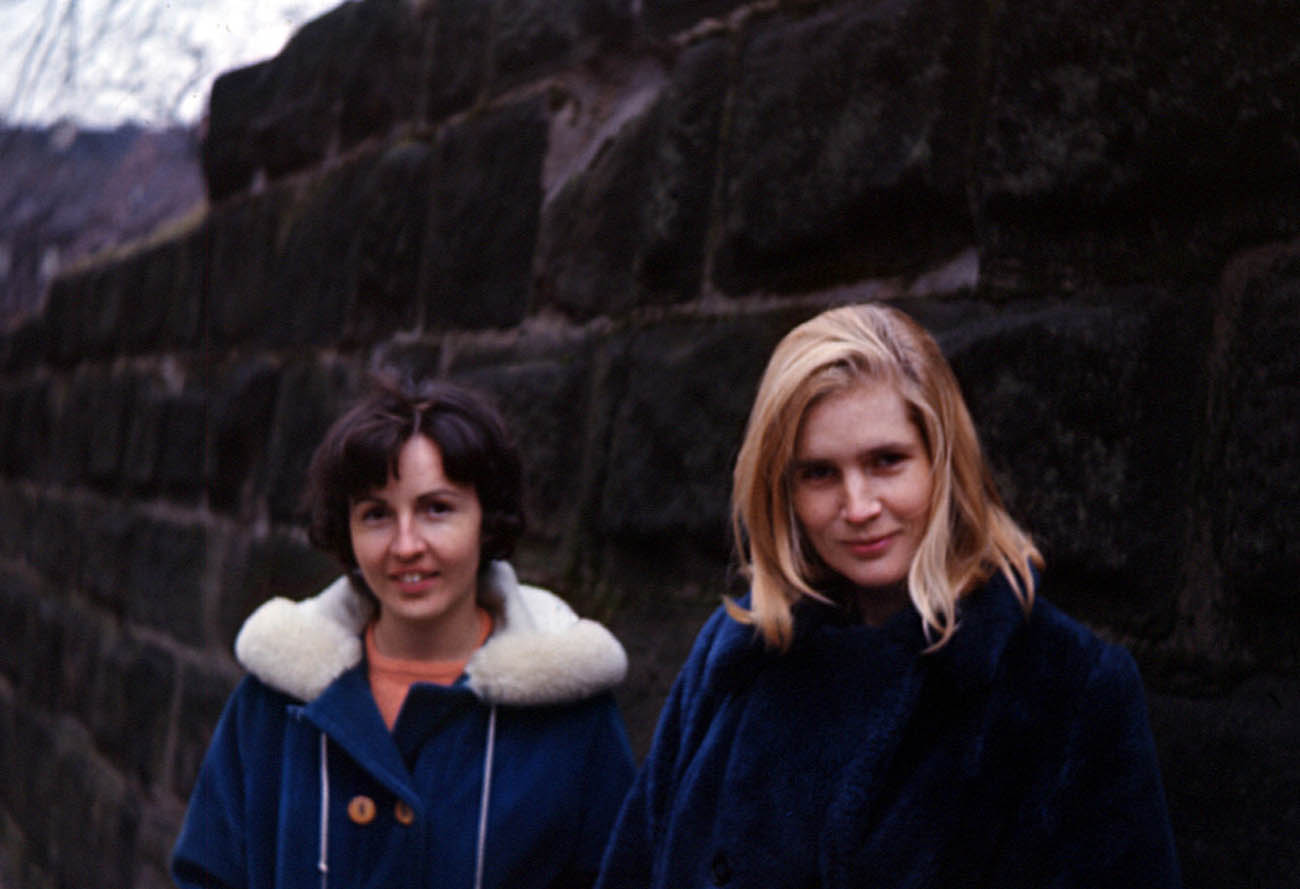
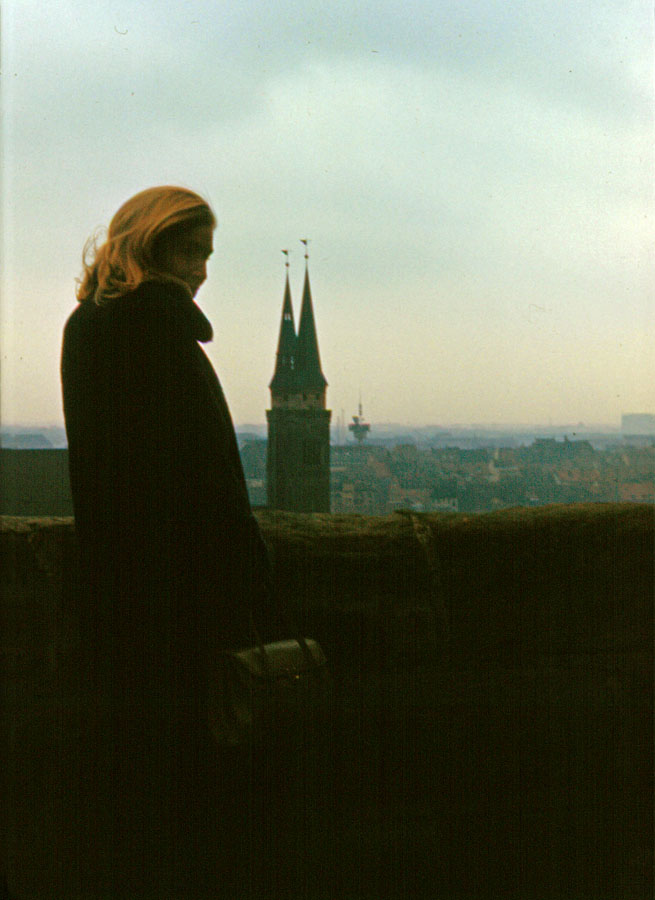
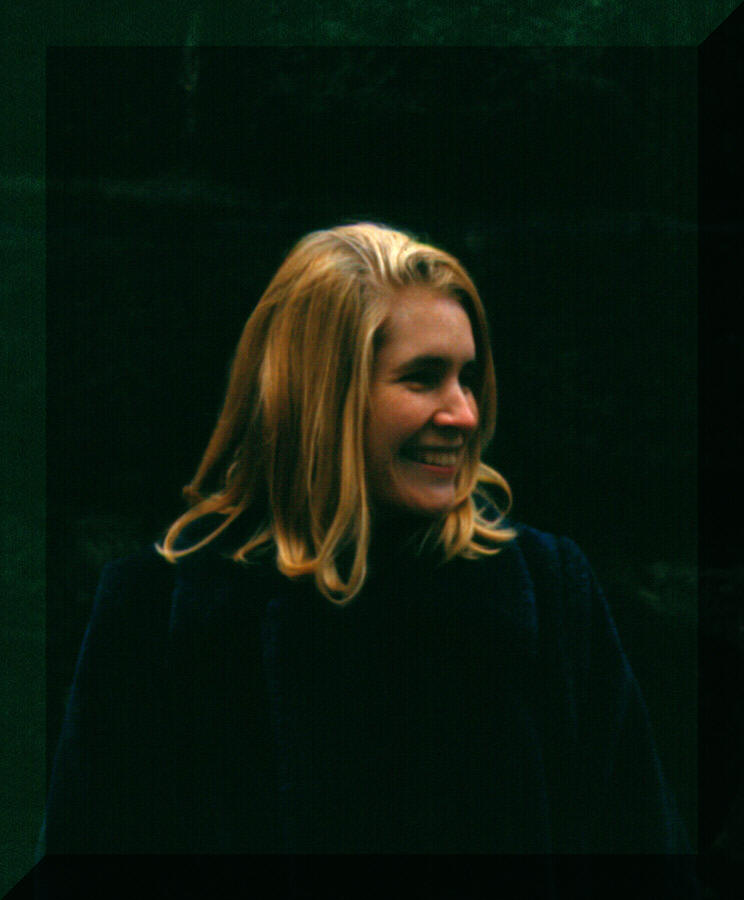
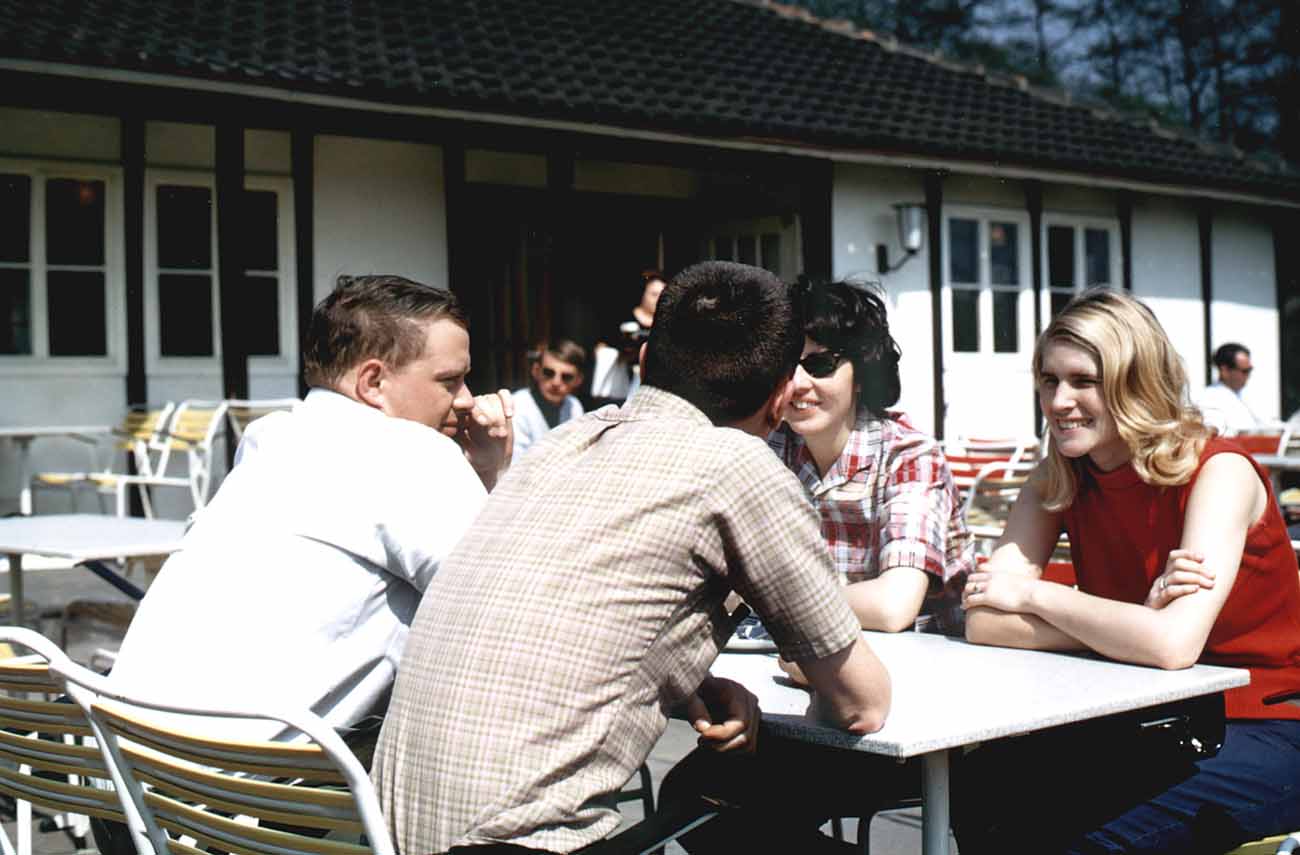
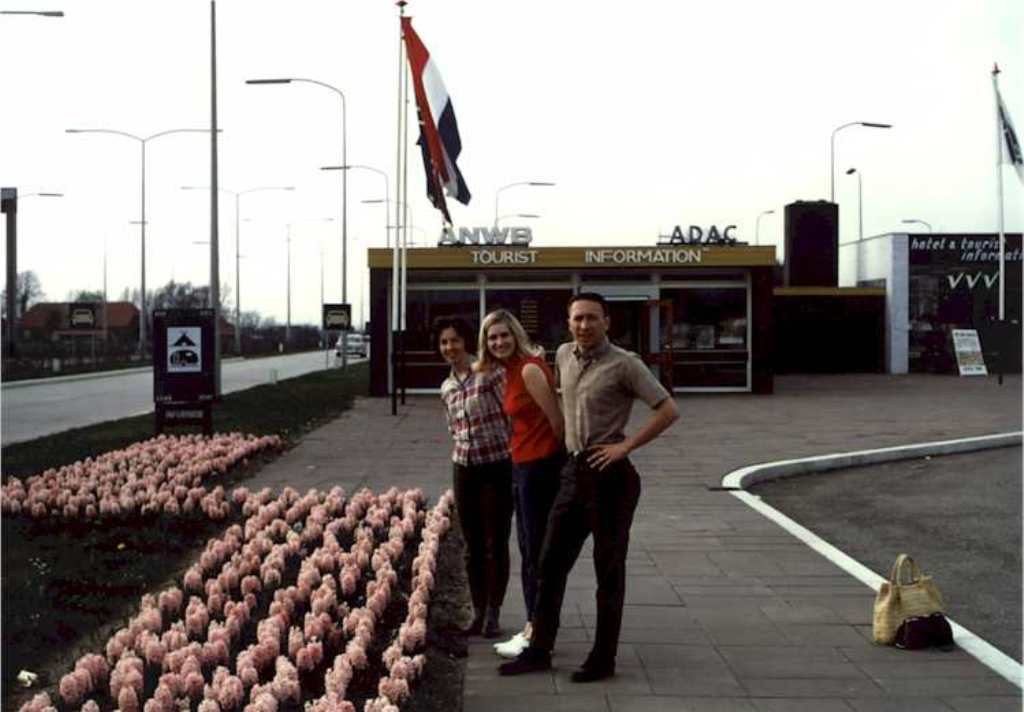
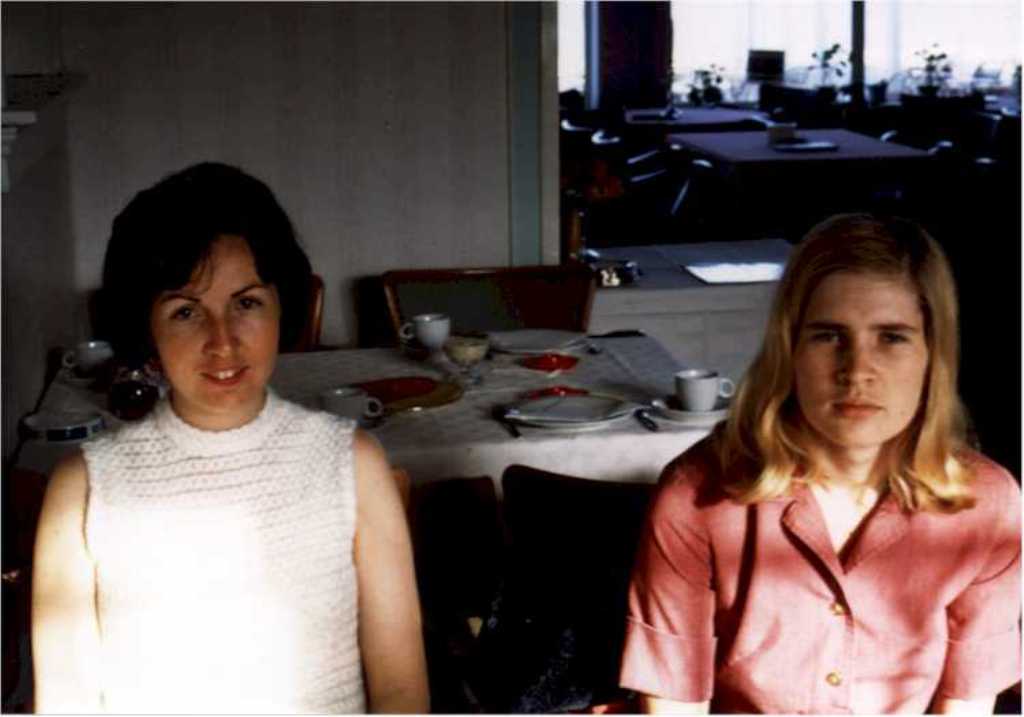
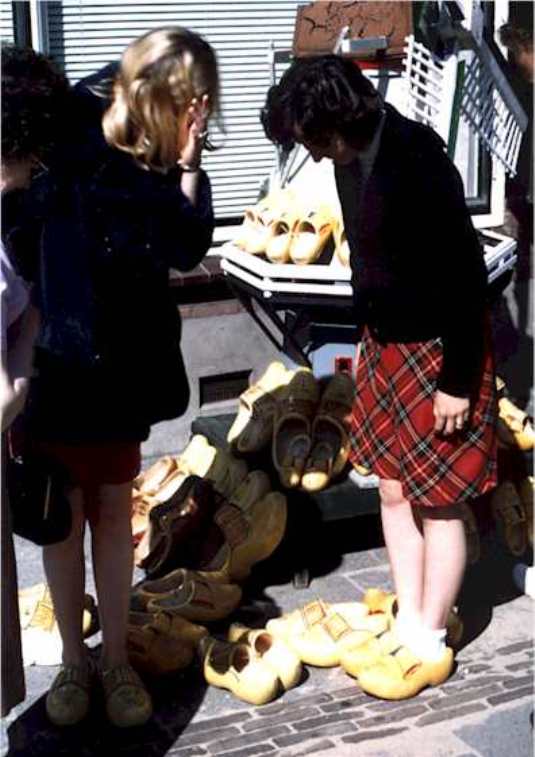
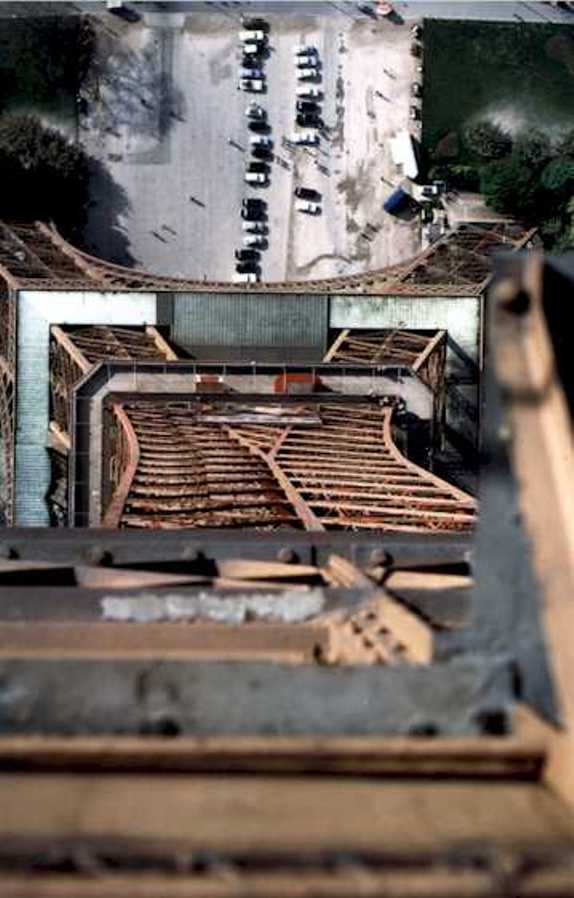
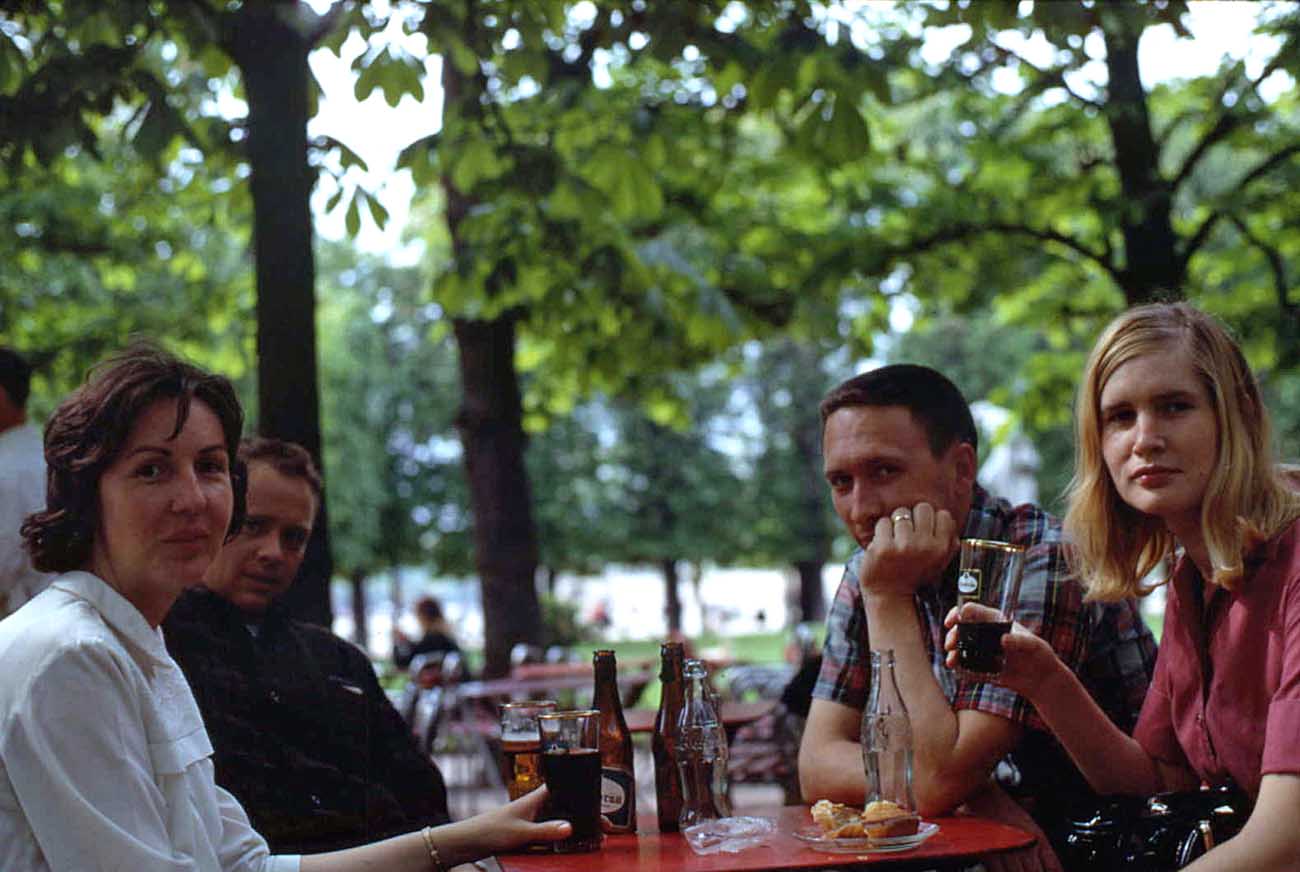
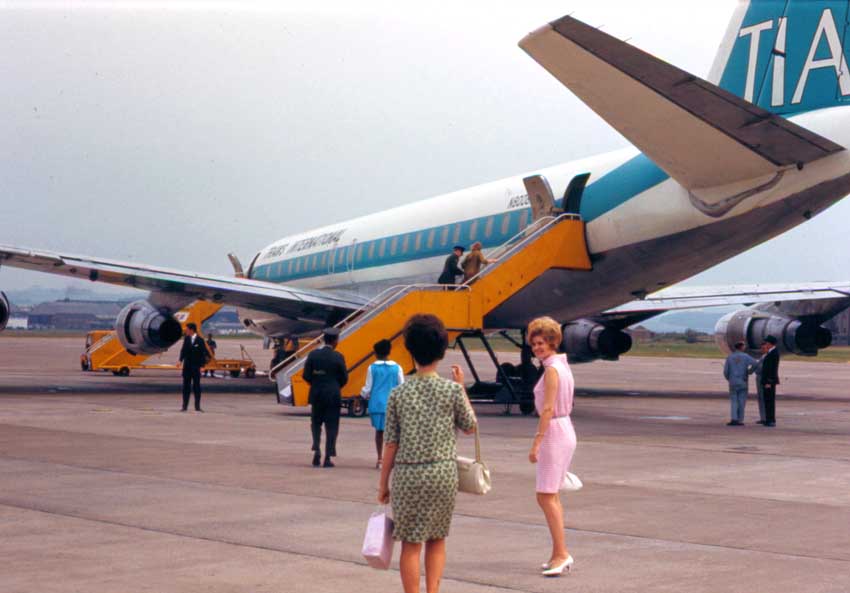
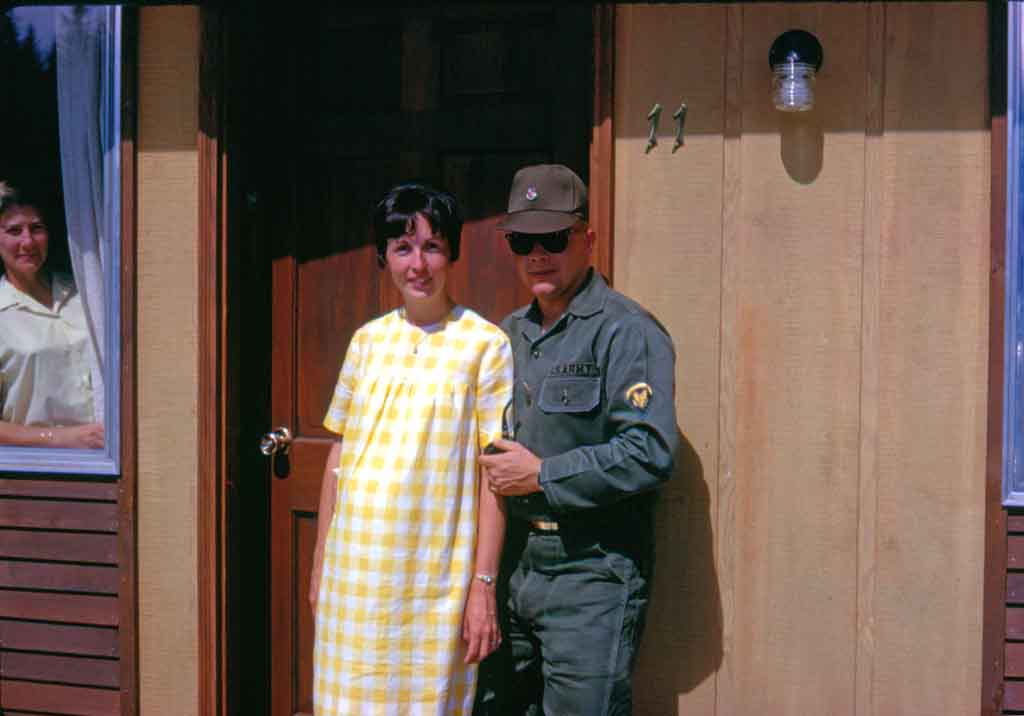
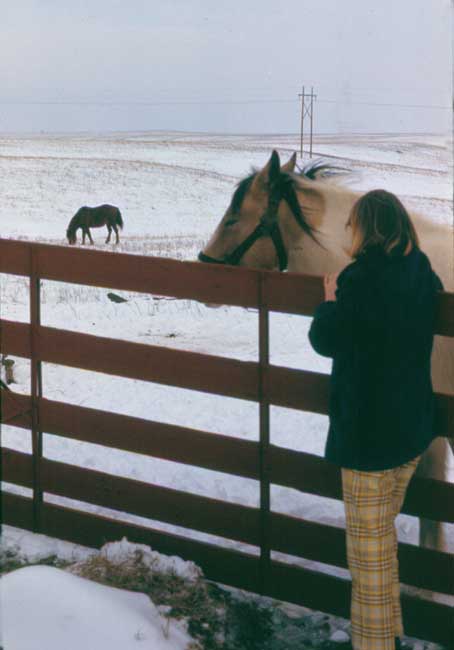
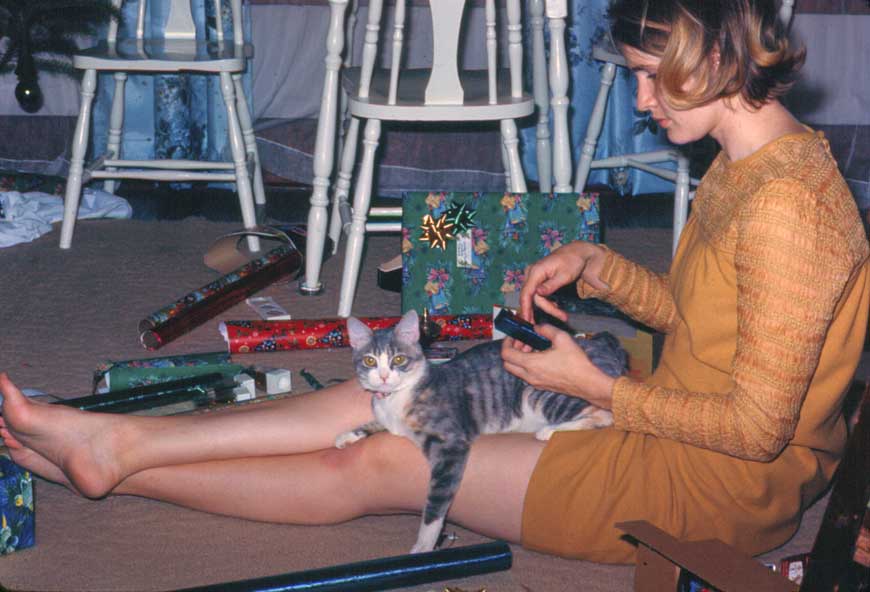
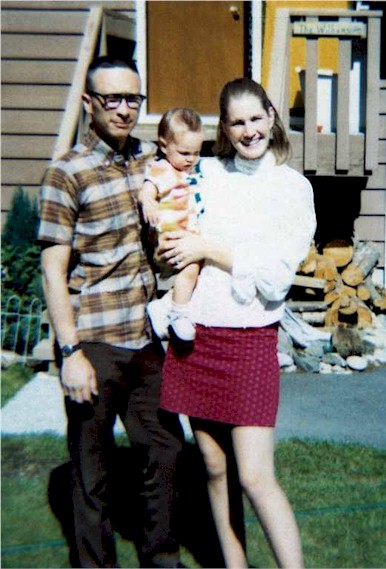
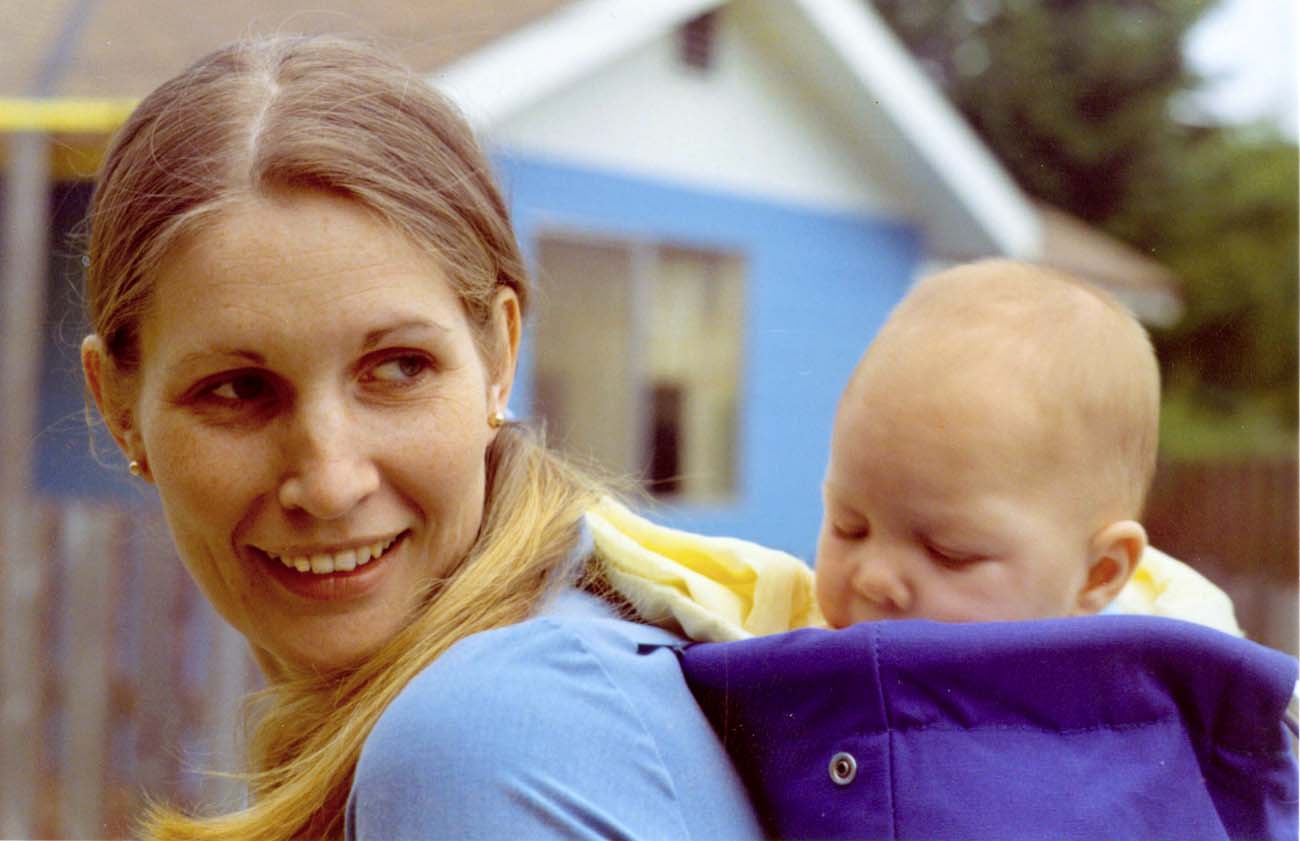
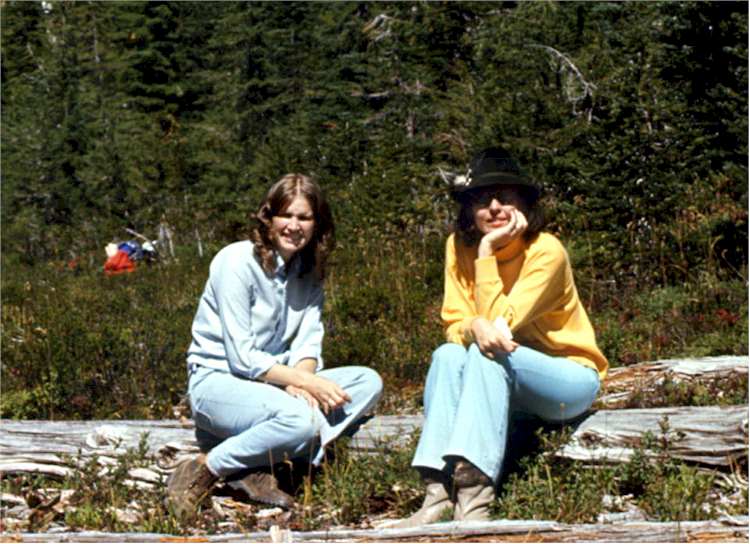
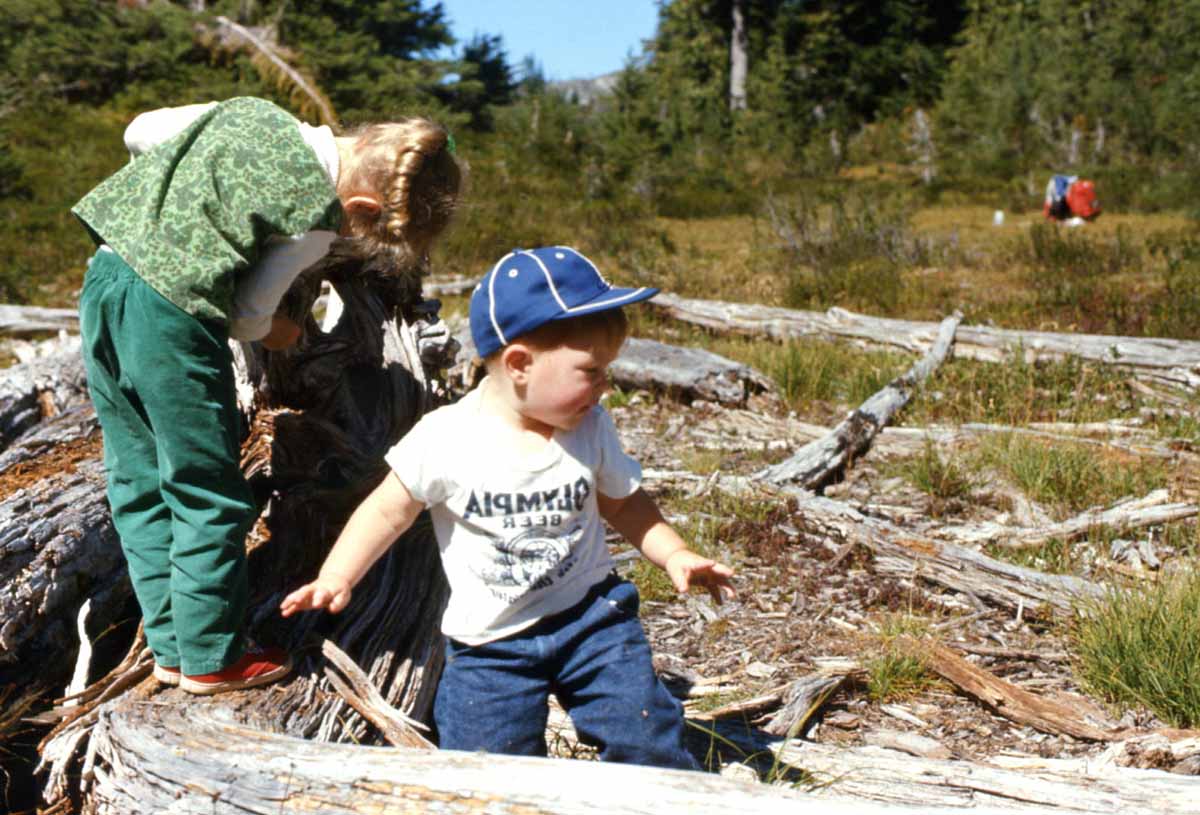
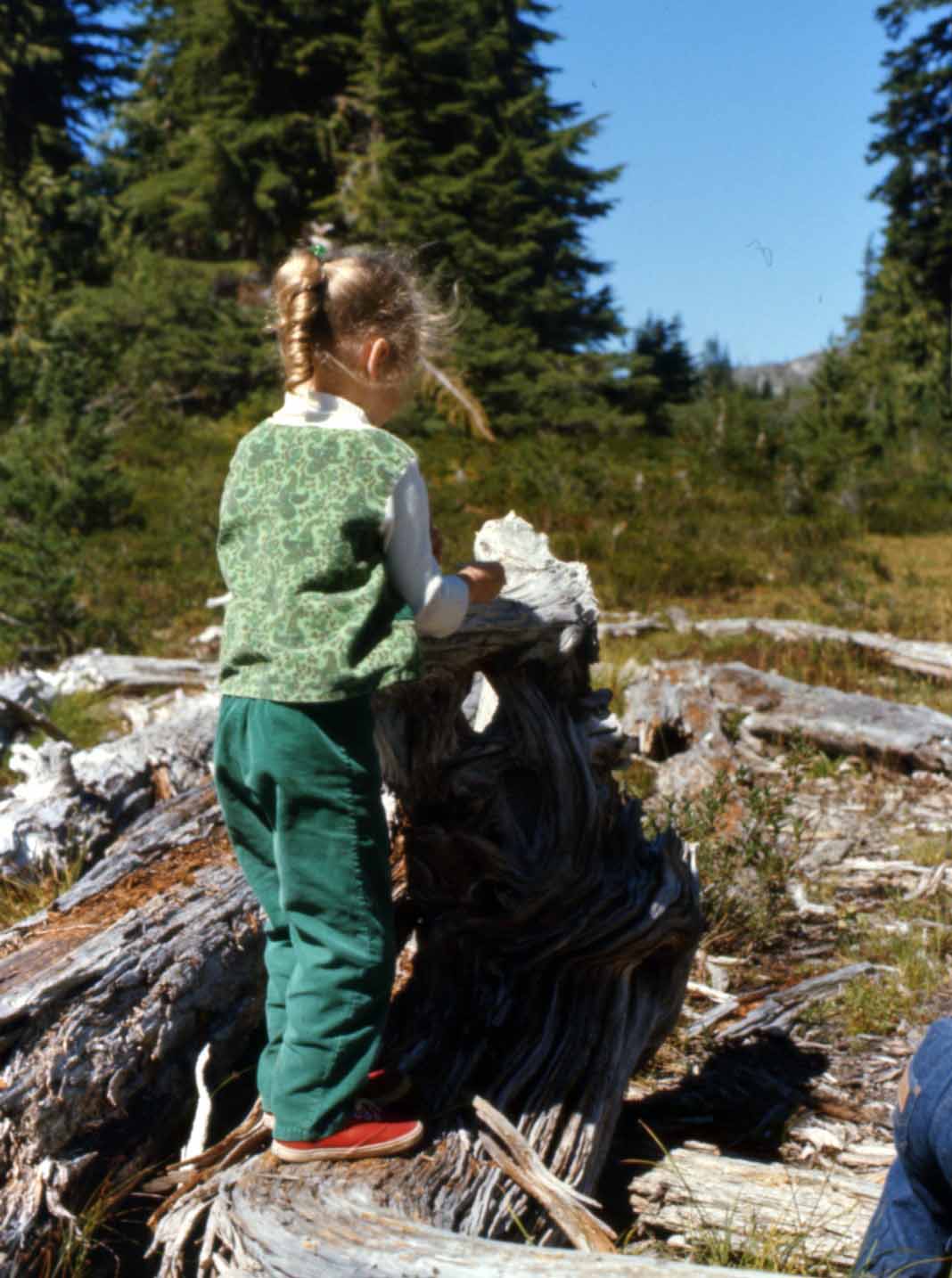
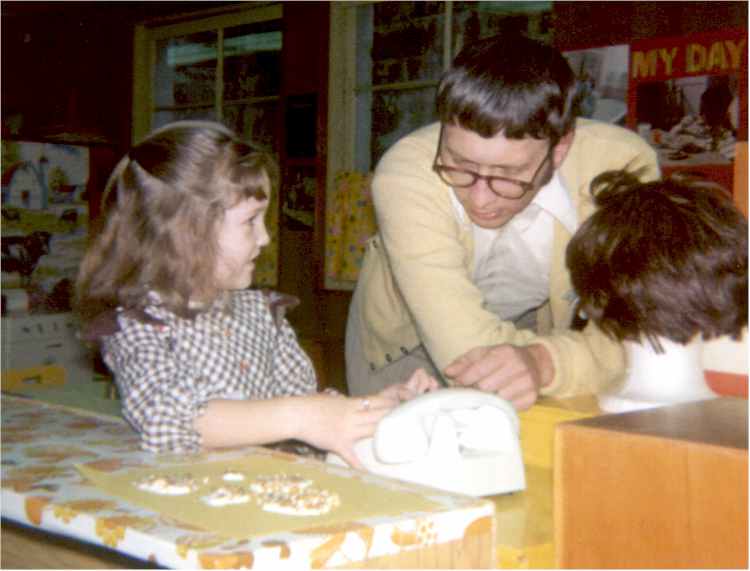
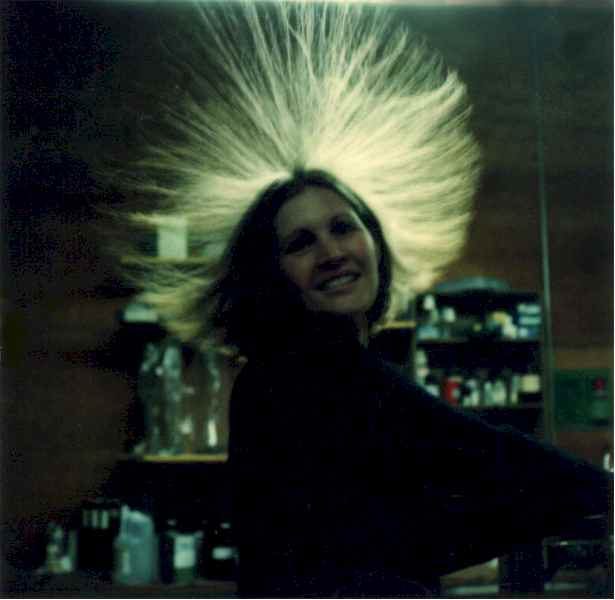
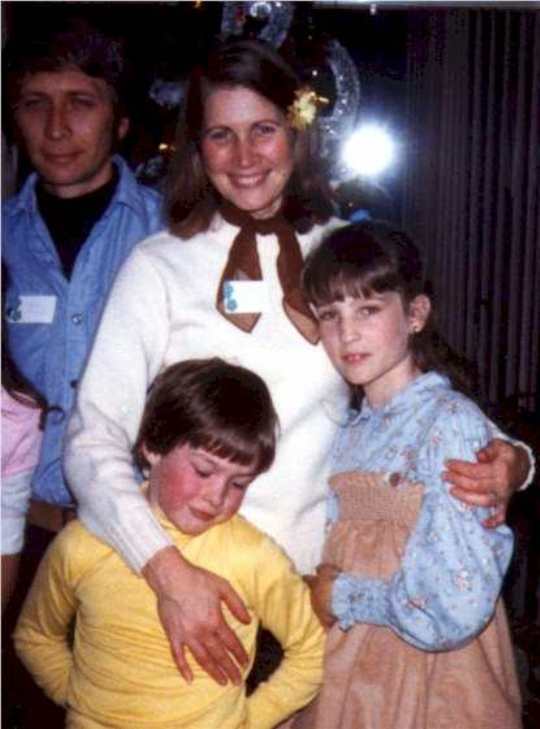
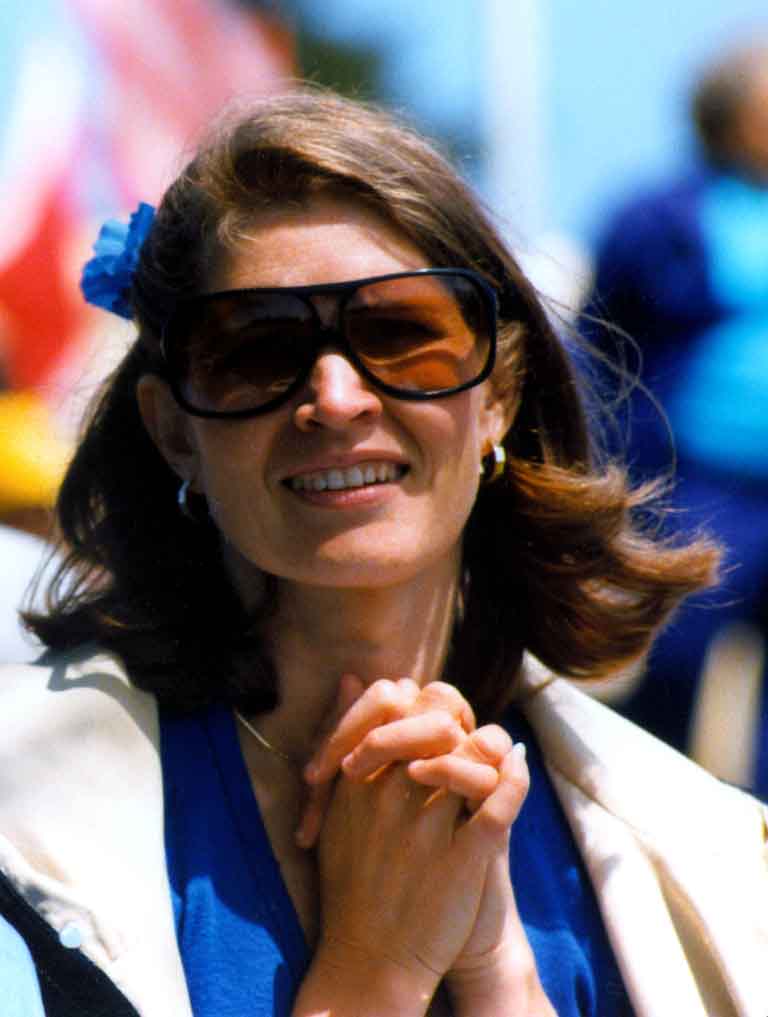
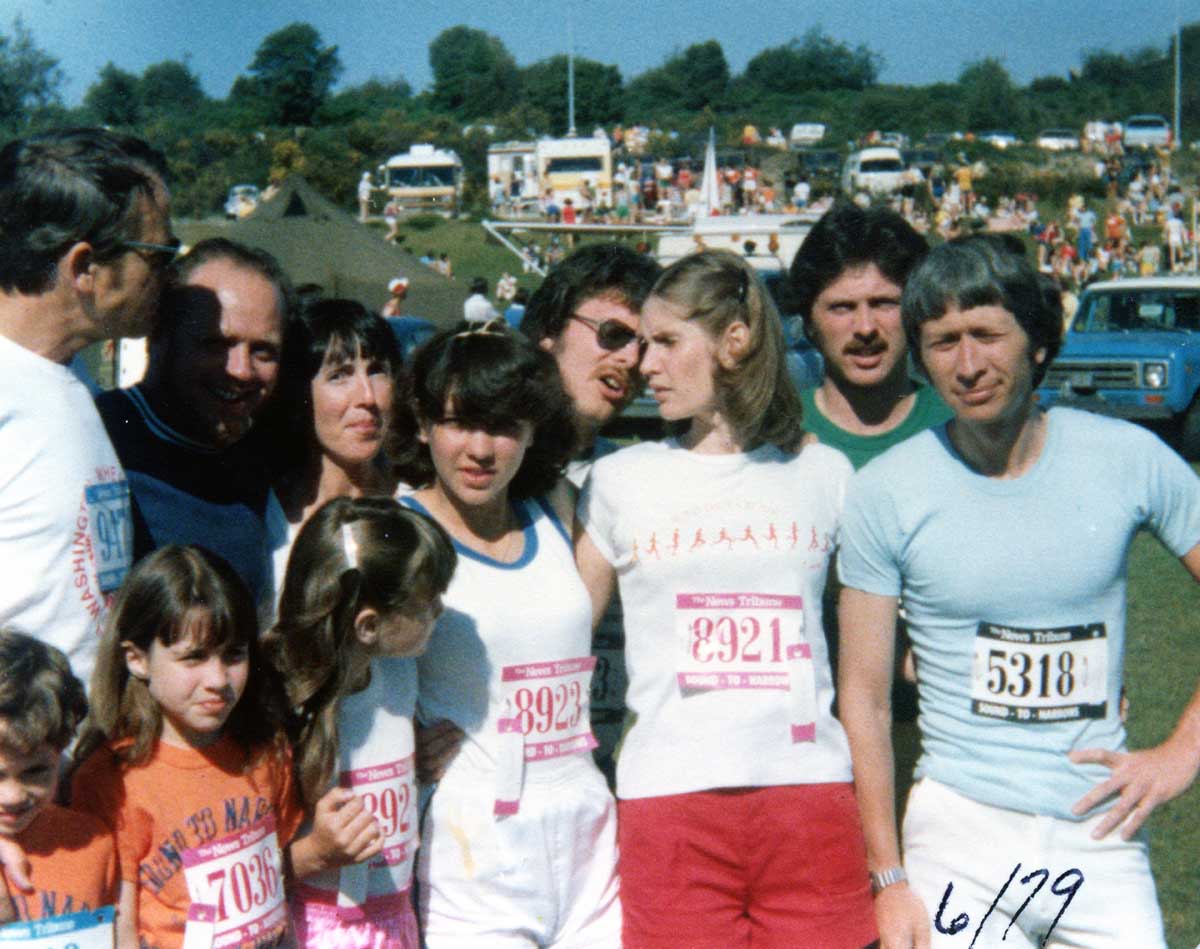
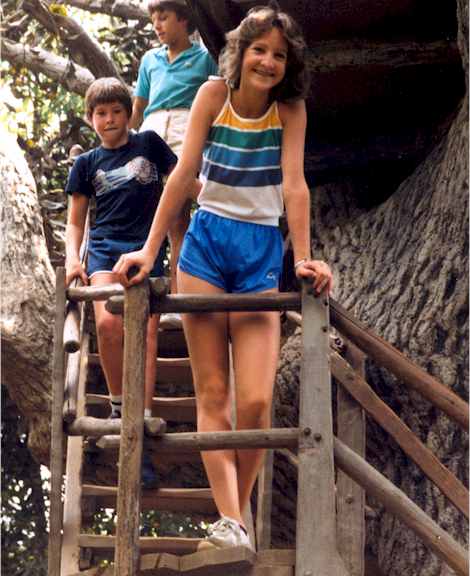
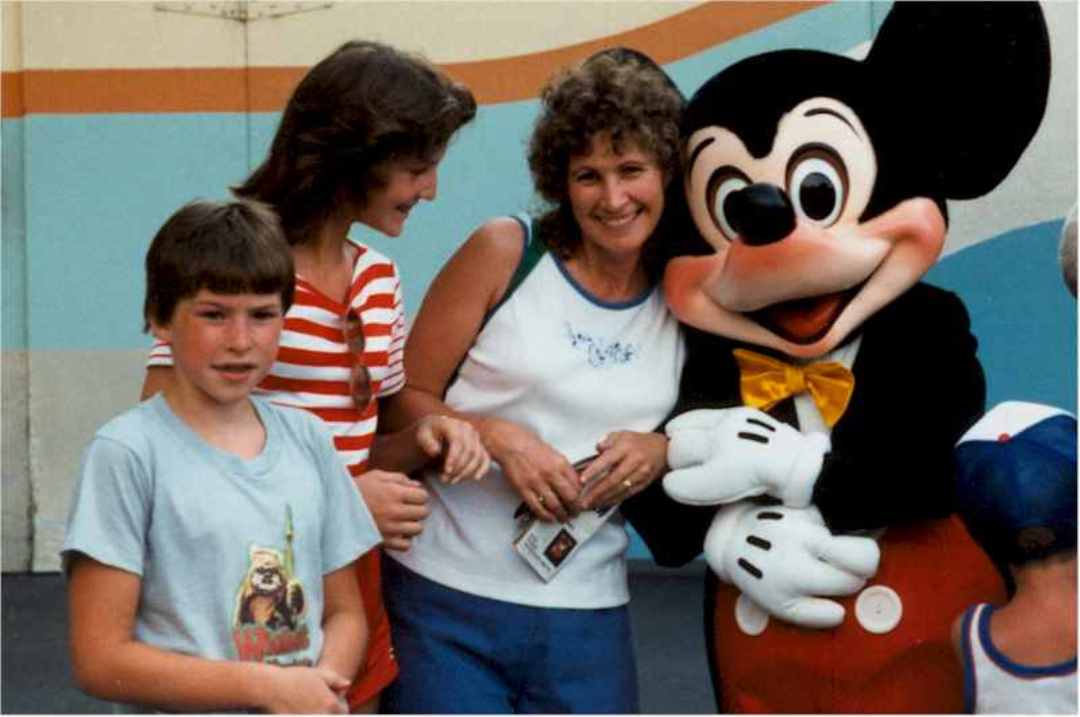
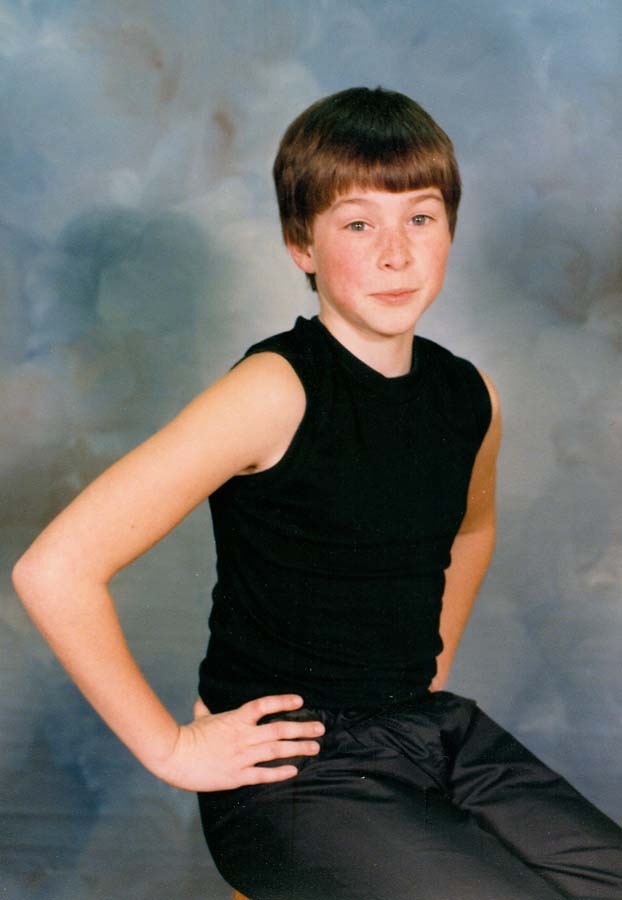
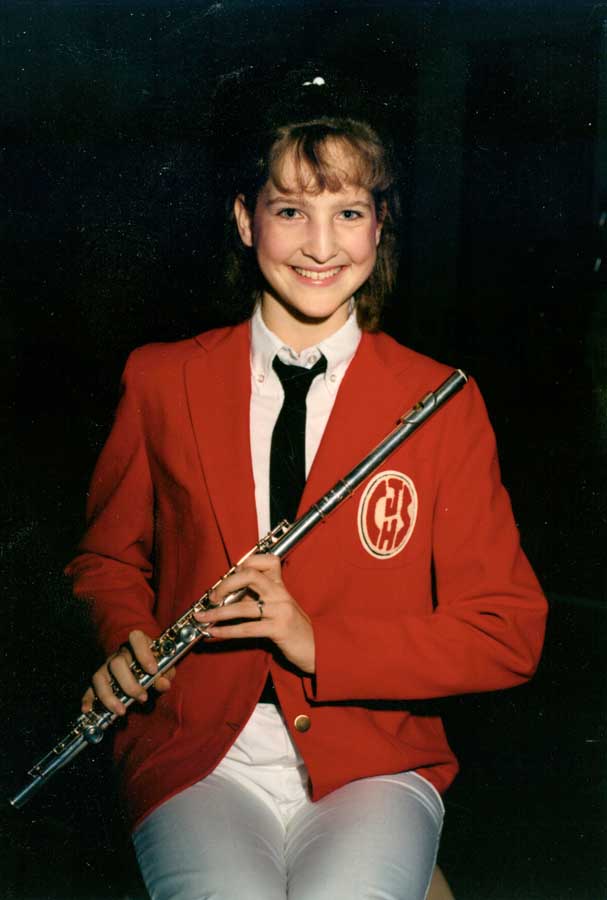
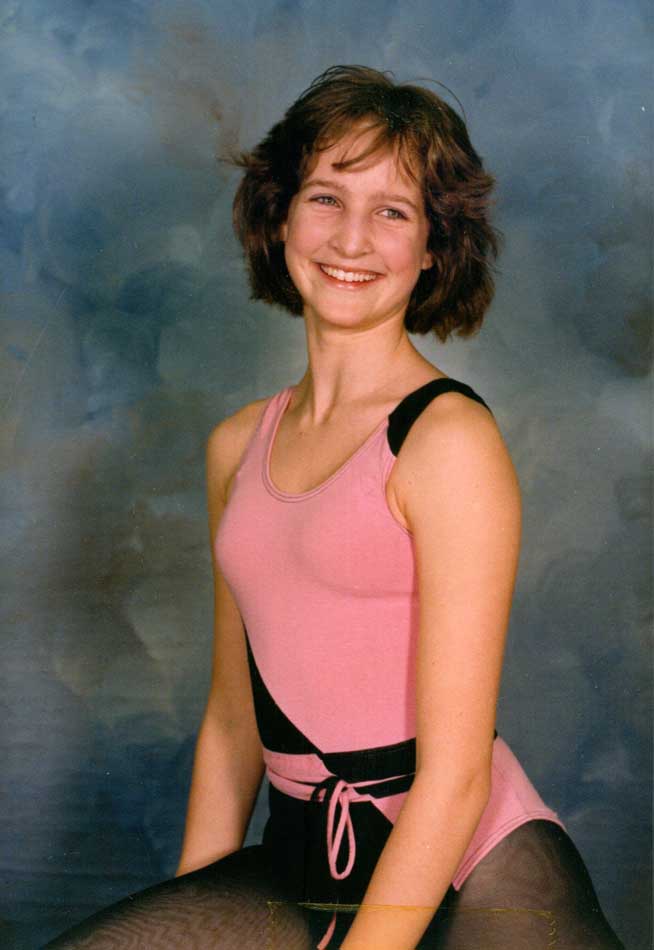
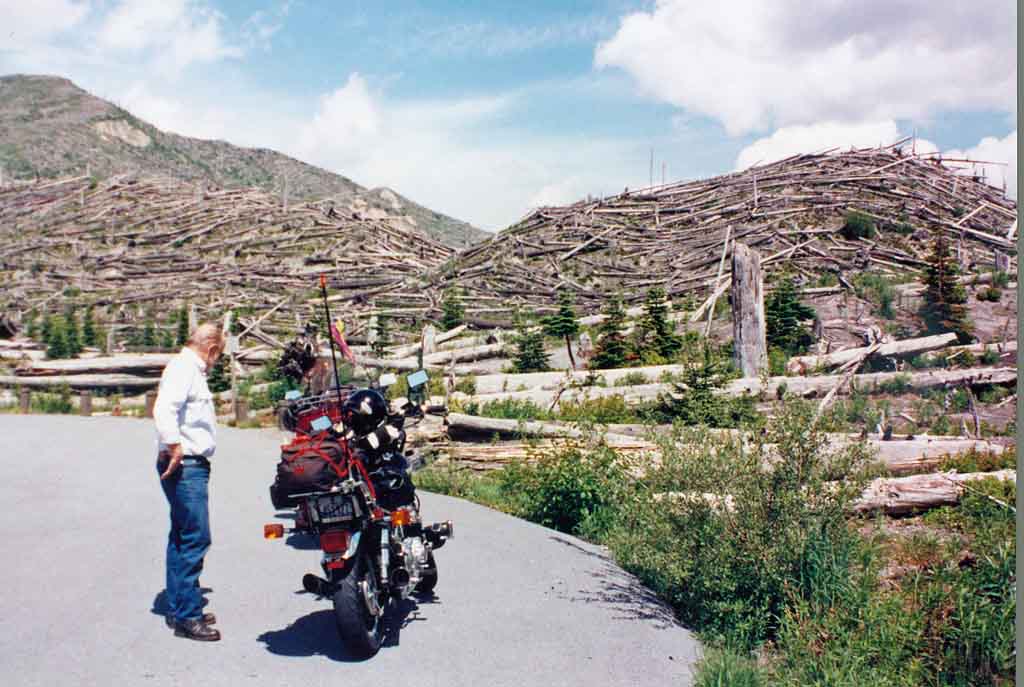
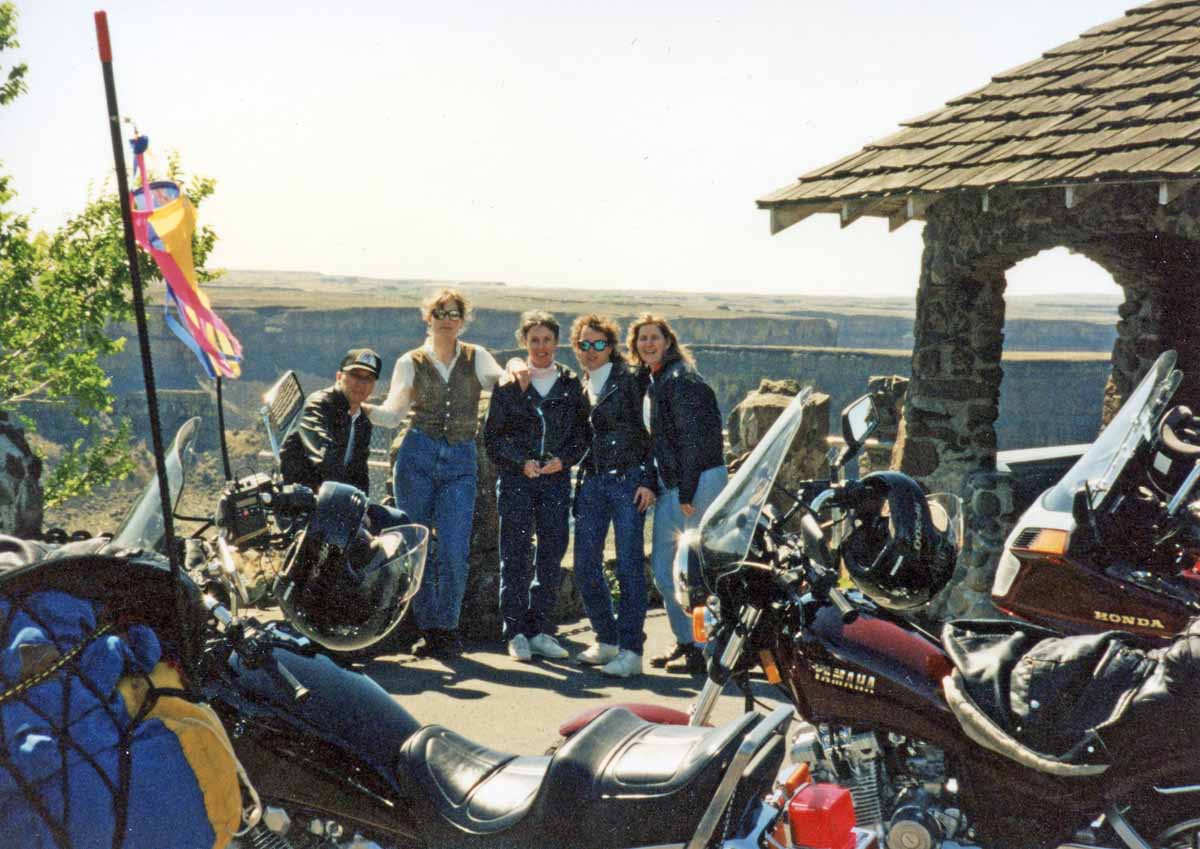
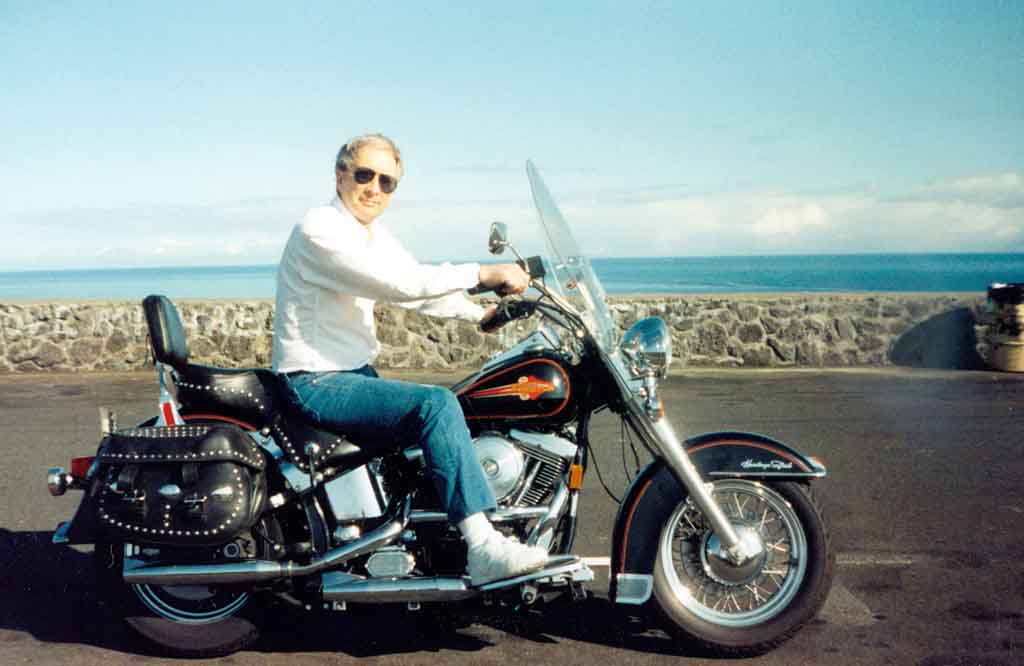
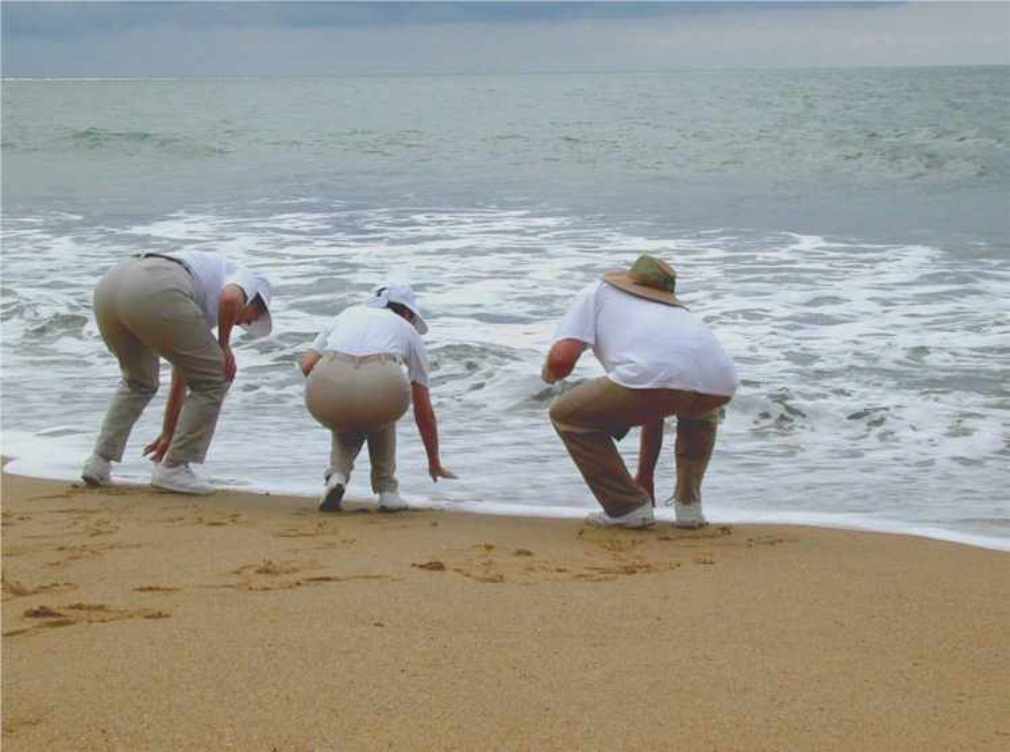
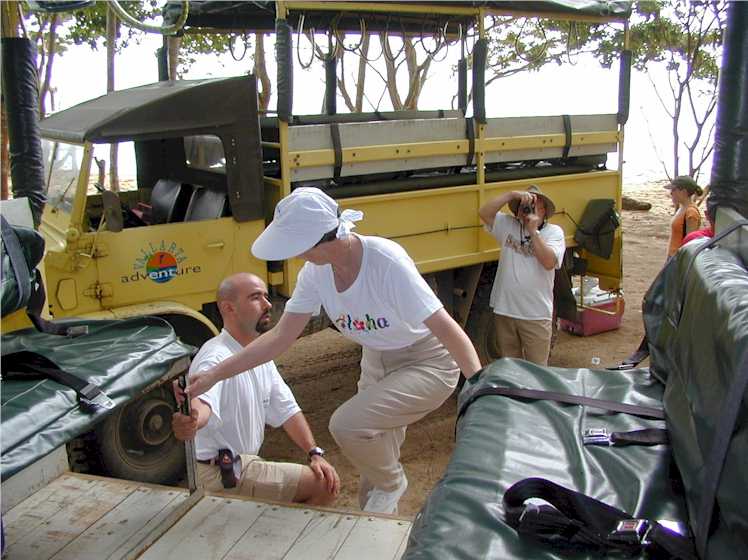
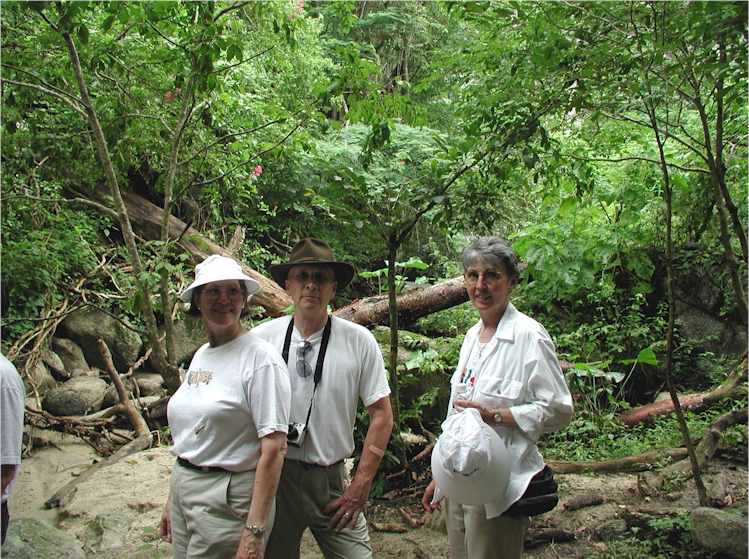
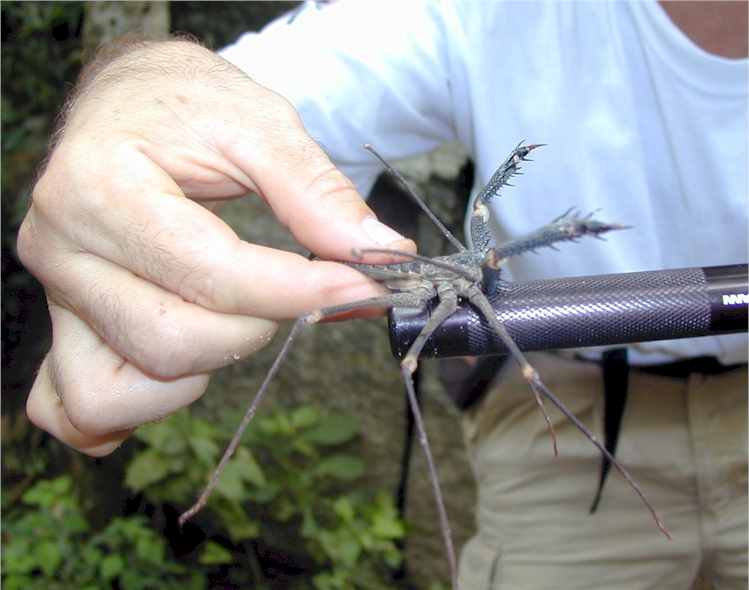
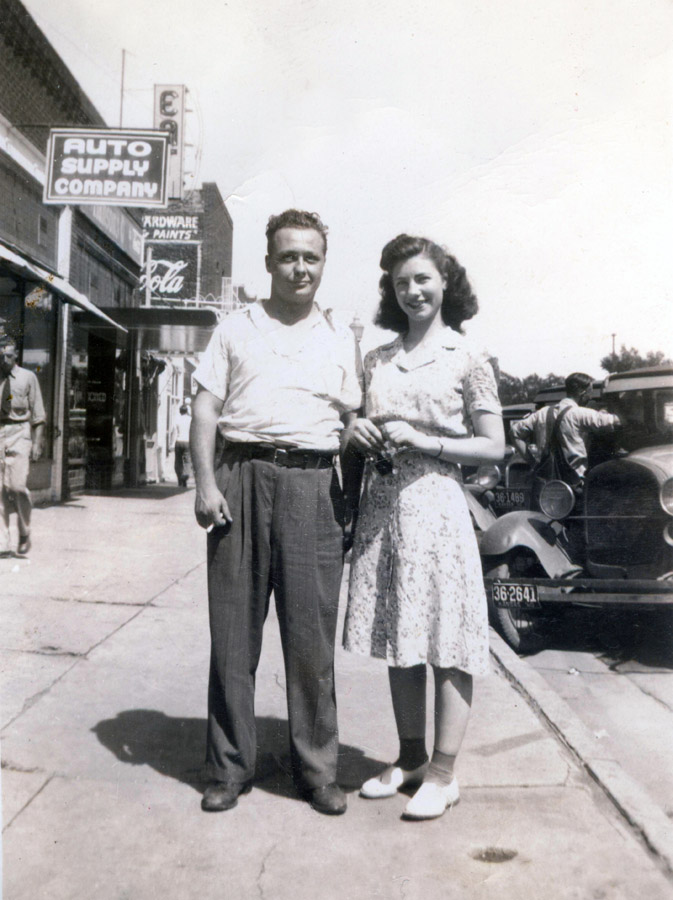
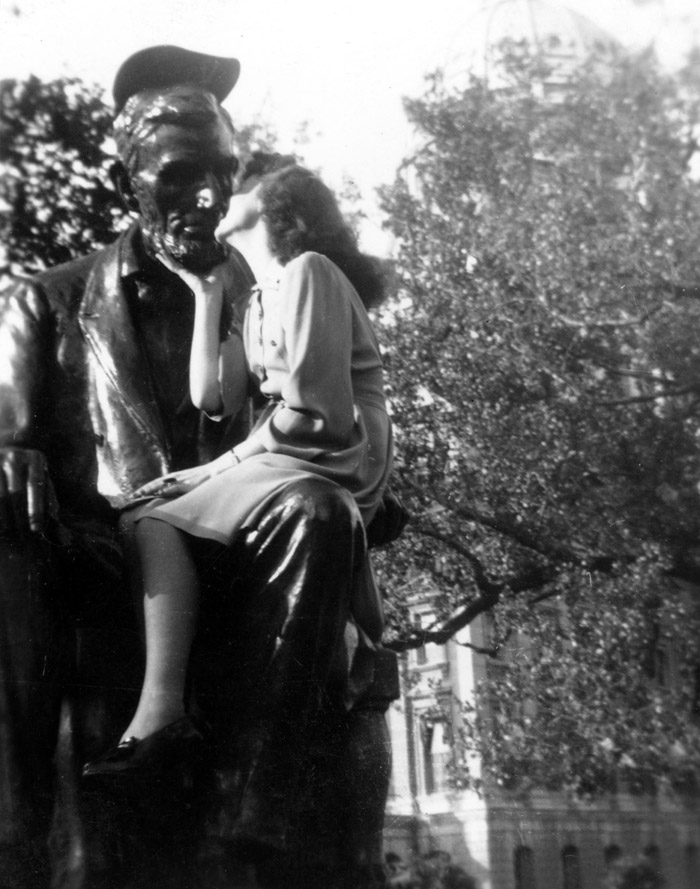
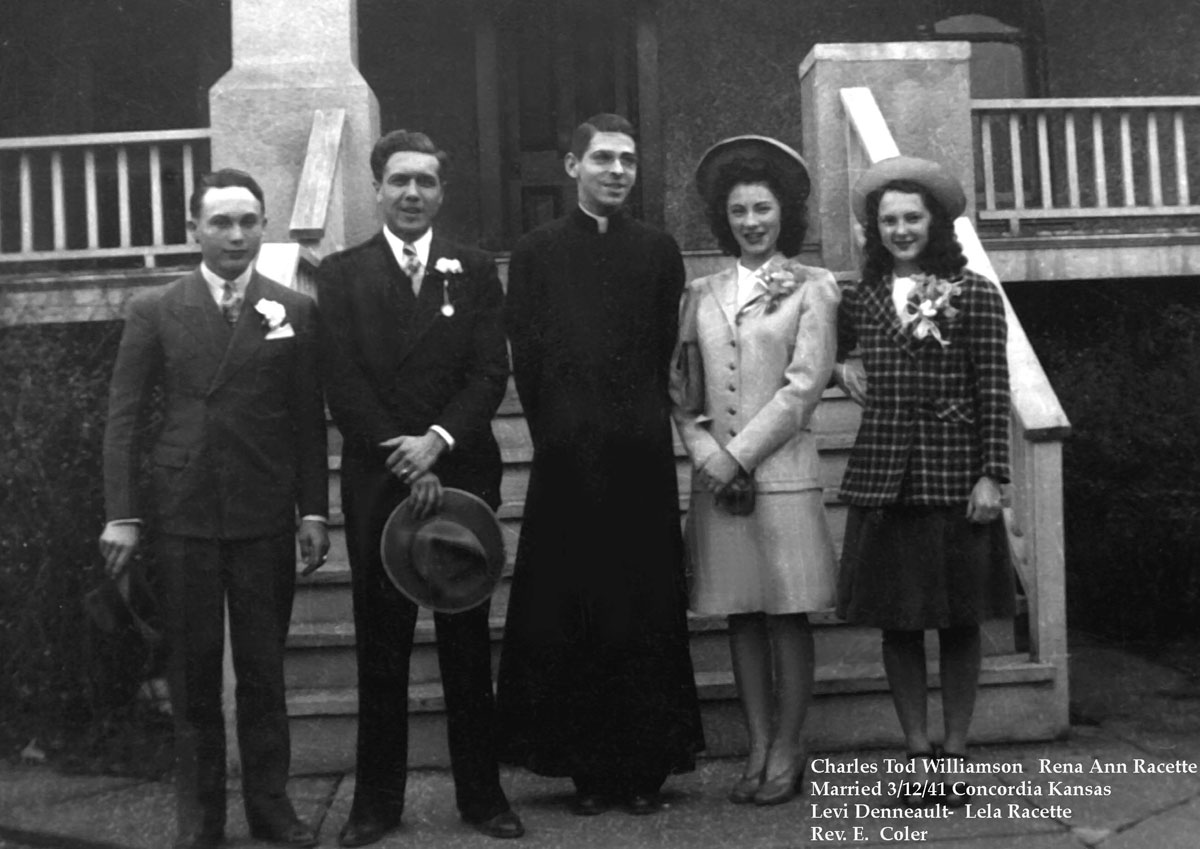
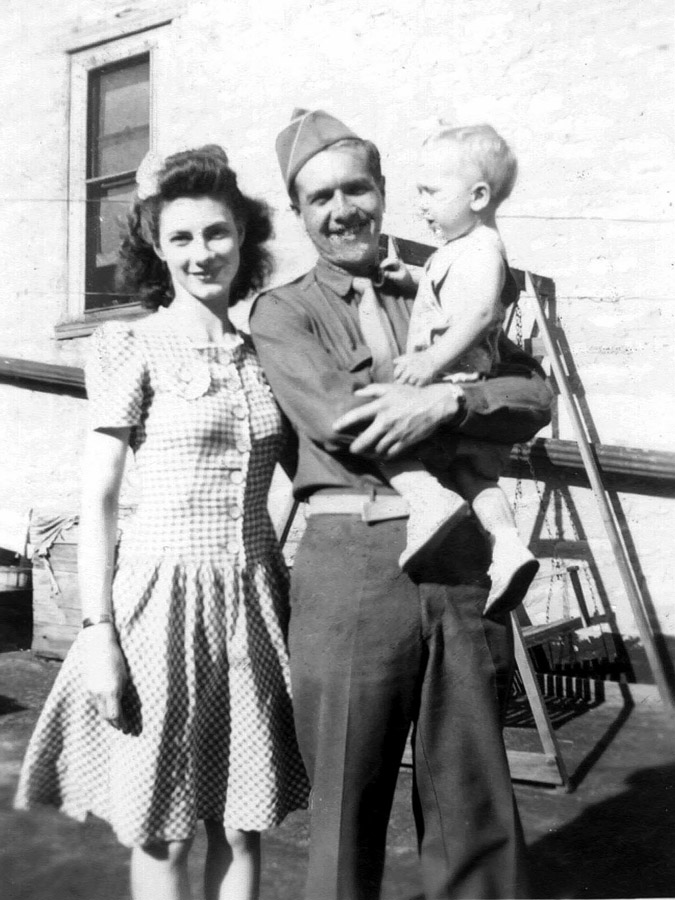
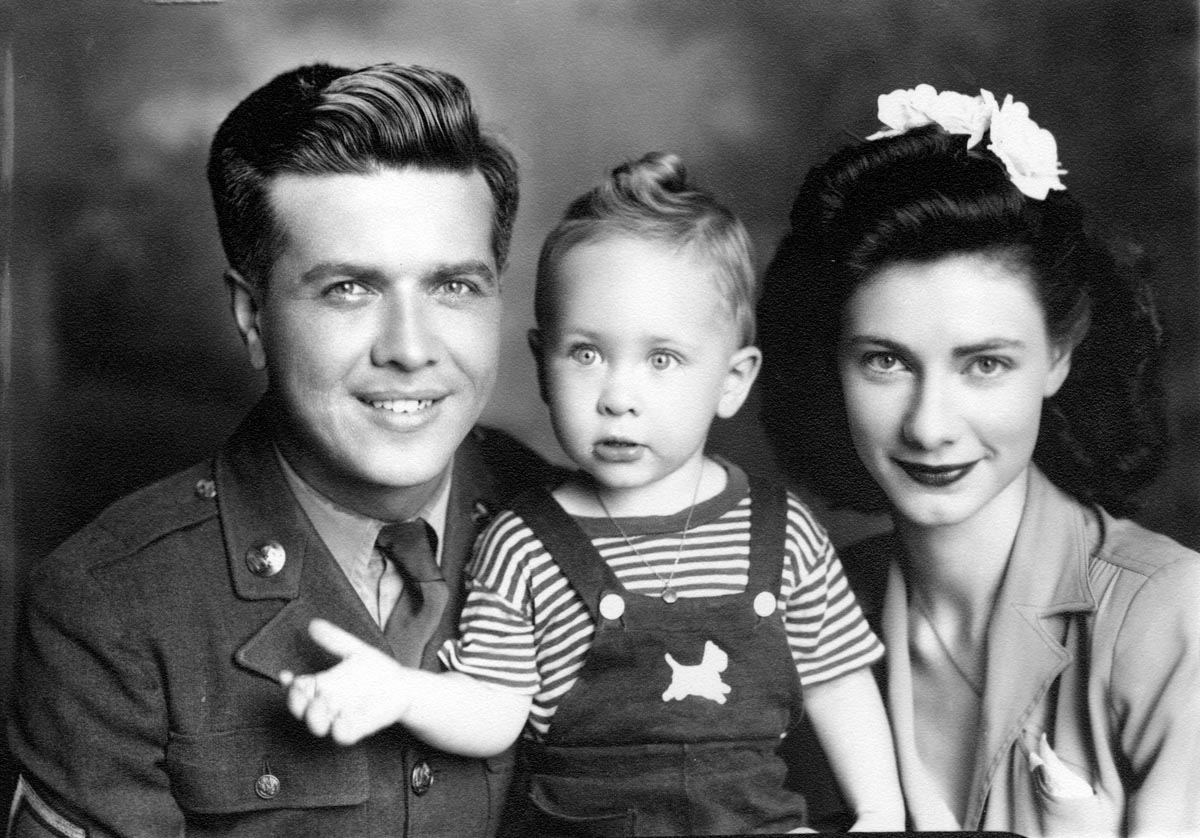
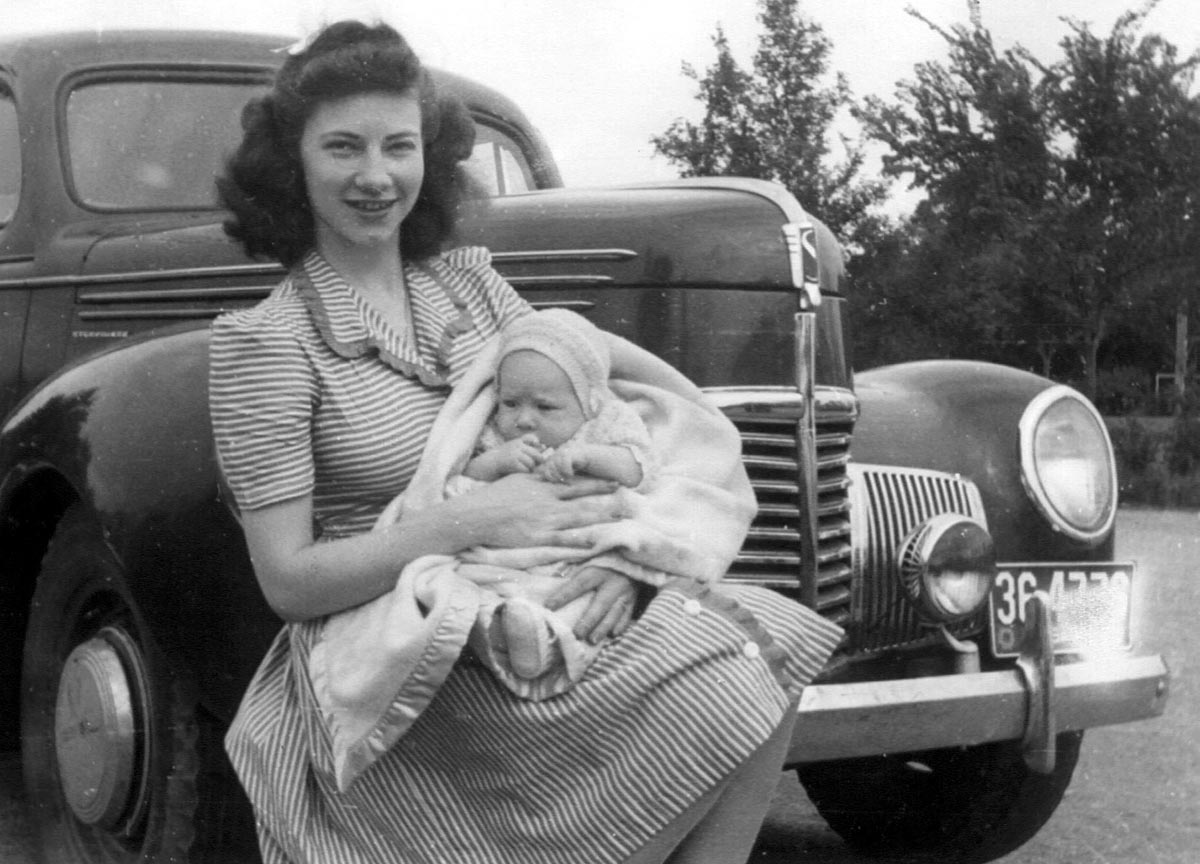
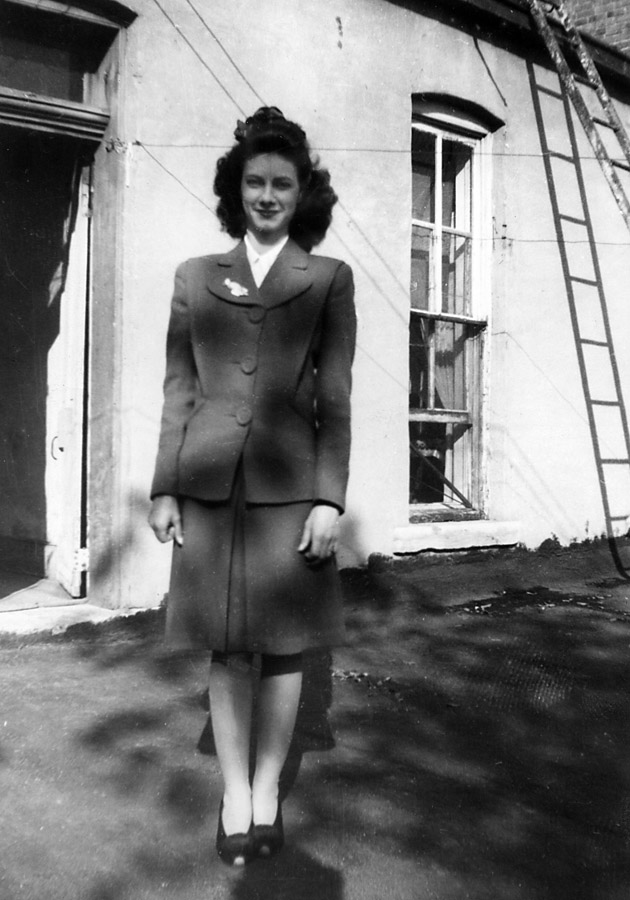
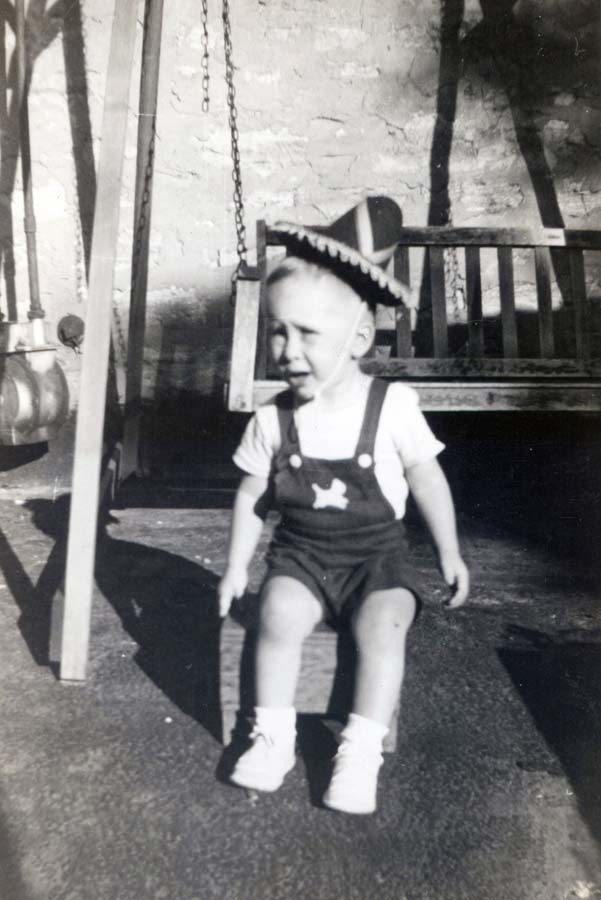
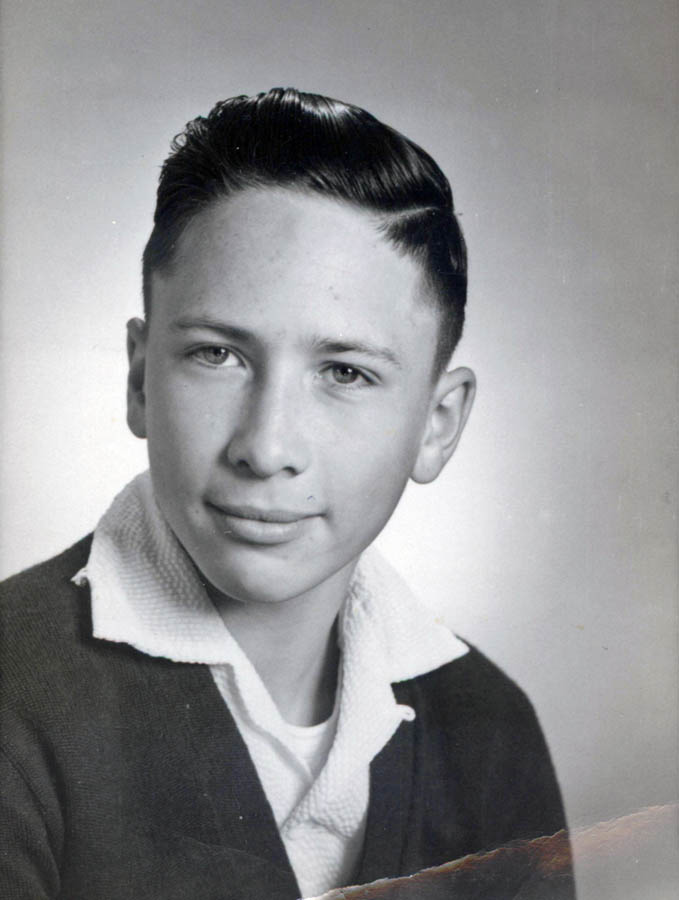
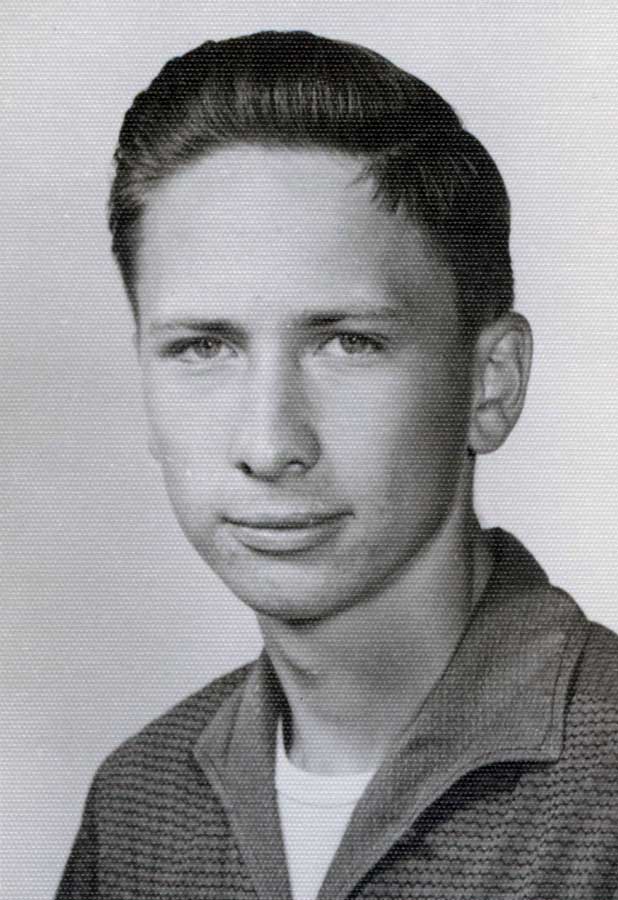
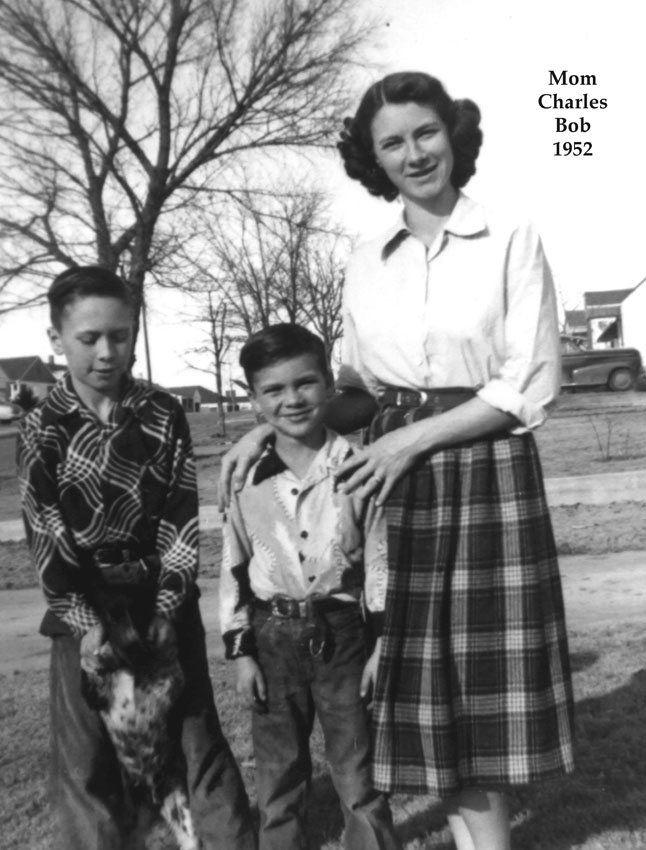
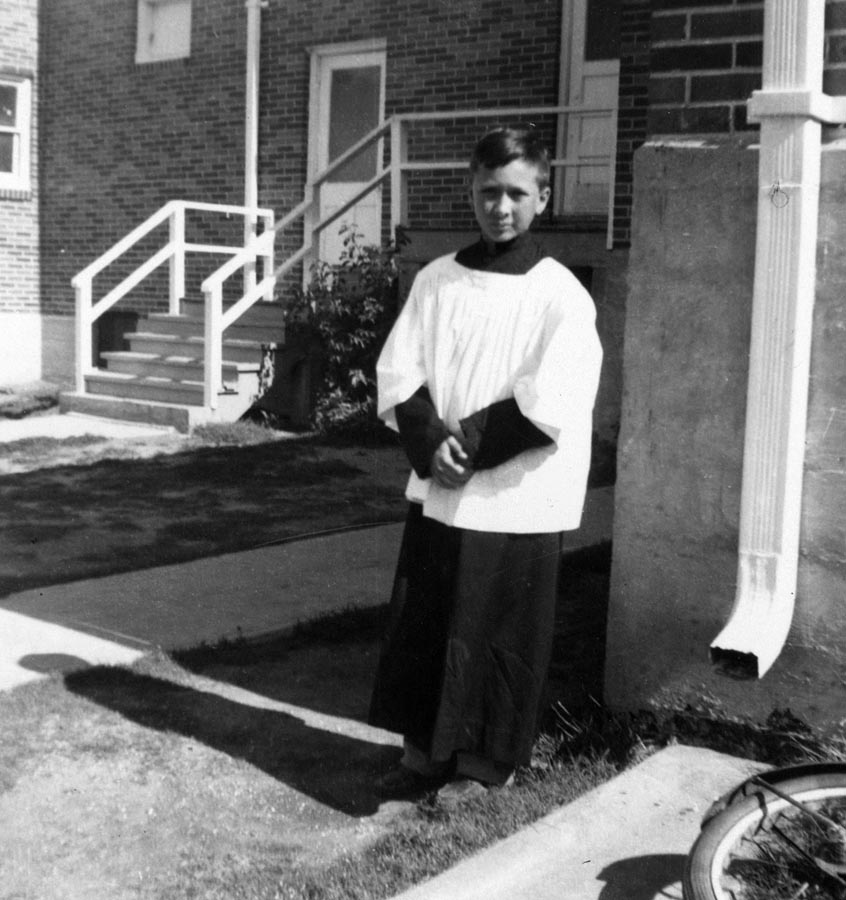
There are four of us in many of these pictures. I met Jim in ’57. Laveta and Carol knew each other even earlier. All four of us went to Merced High. Jim graduated in ’61, Carol and I in ’62, Laveta in ’63. Jim and I met the girls (our future wives) at the same time on the same night! We were "cruising the drag" on our motorcycles and happened by a carload of girls at a local "drive in" and that’s how it began…
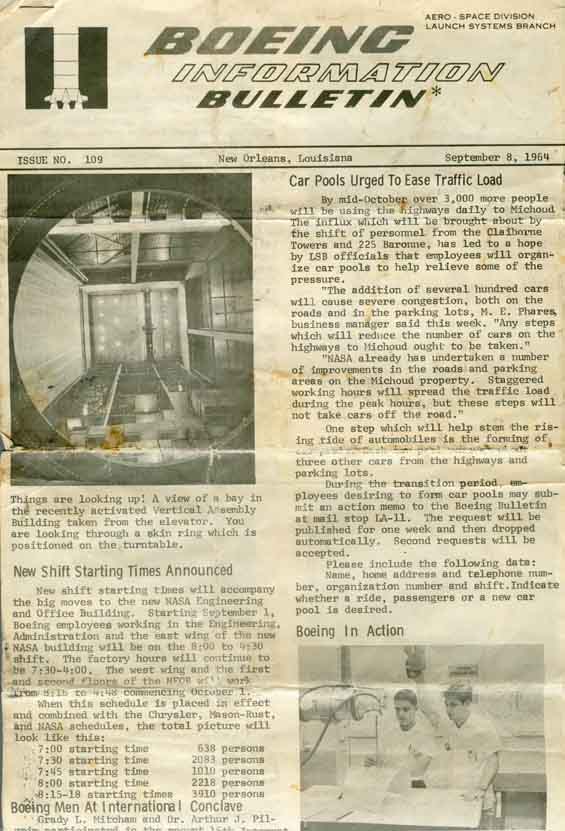
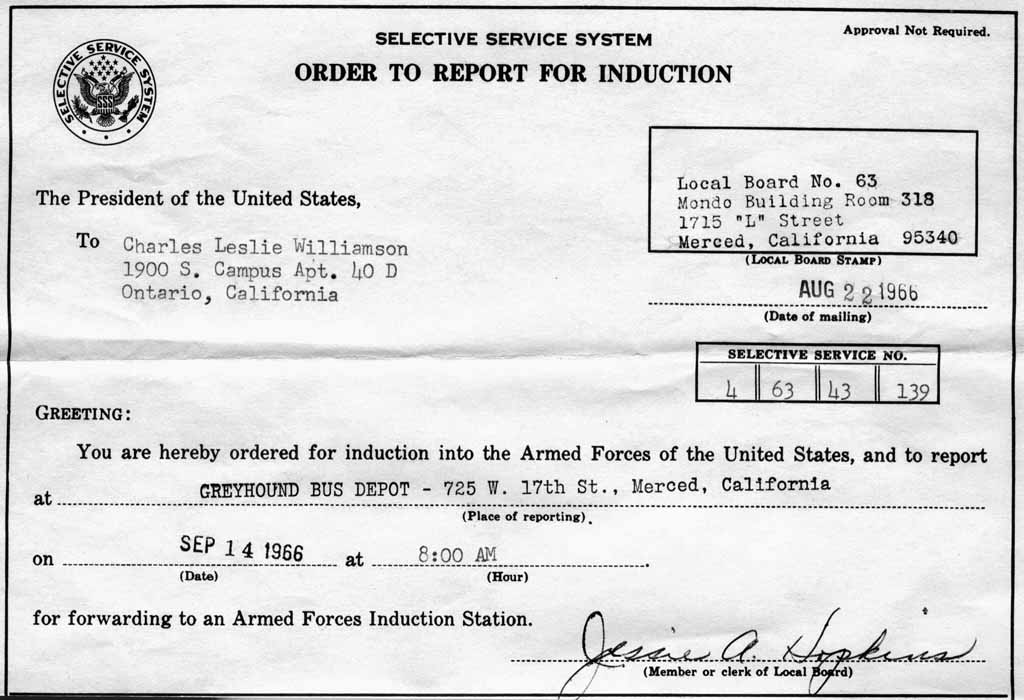
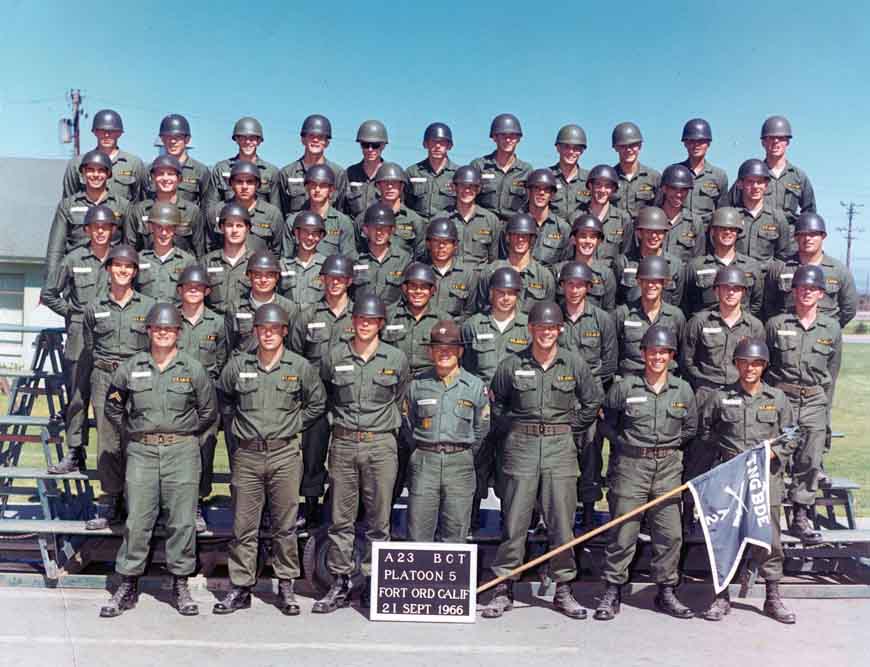
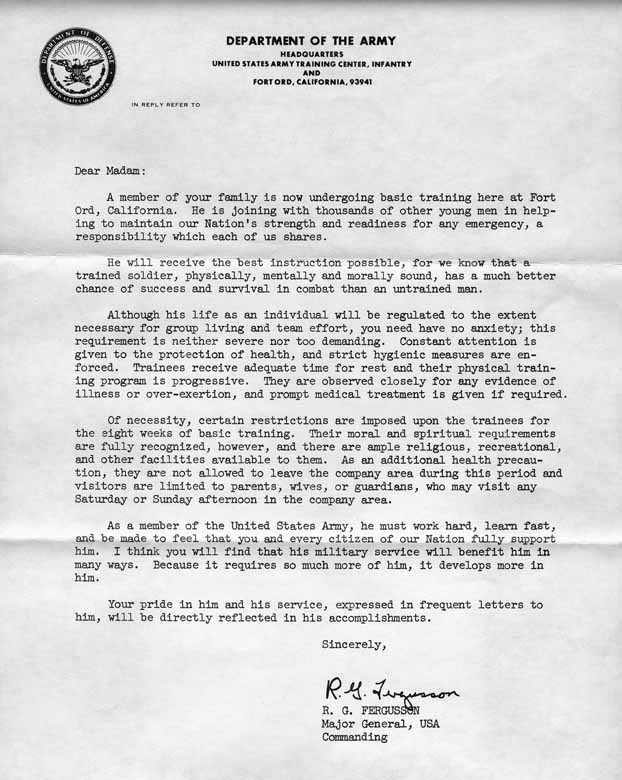
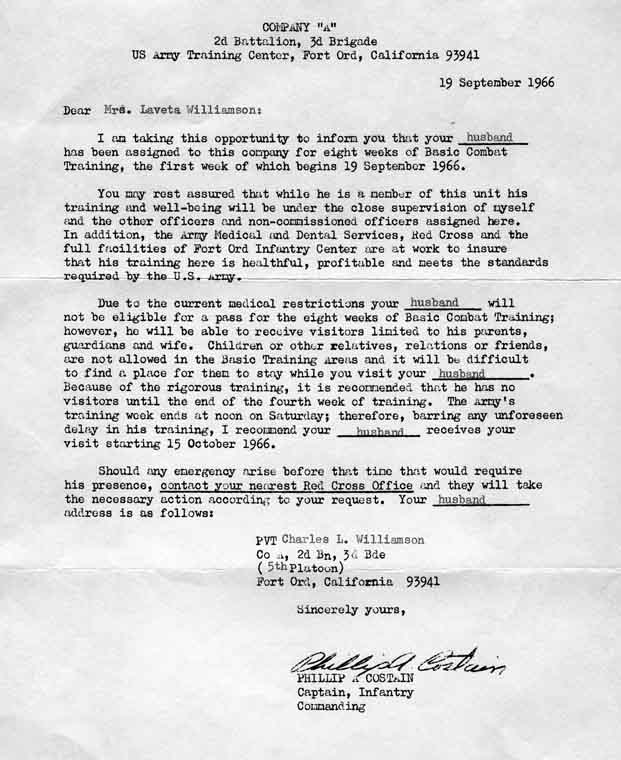
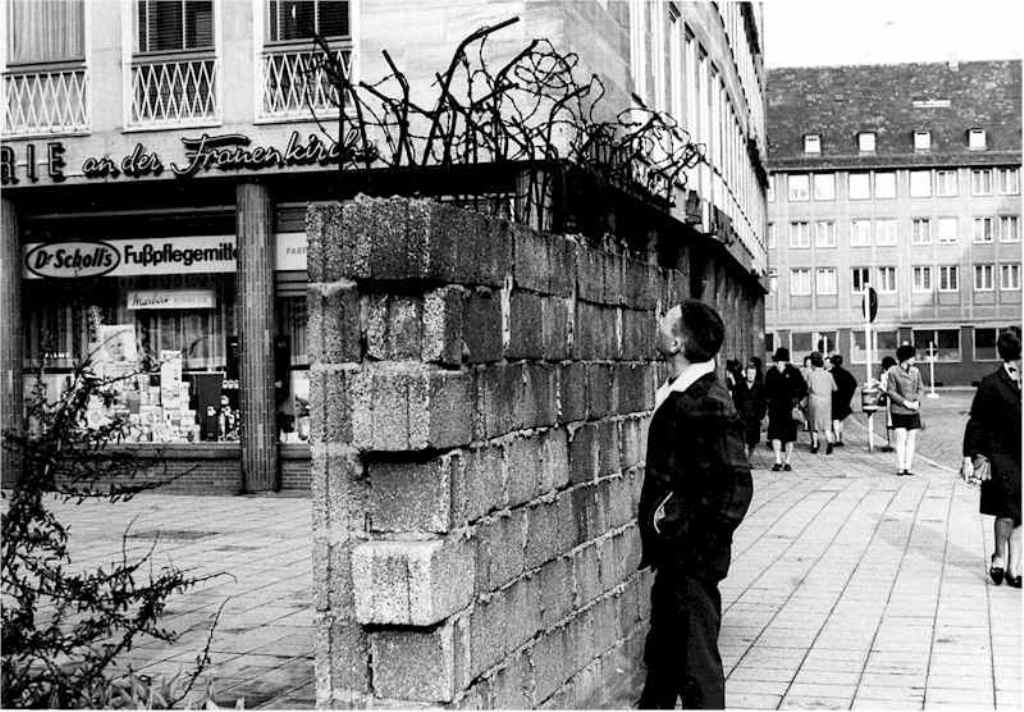
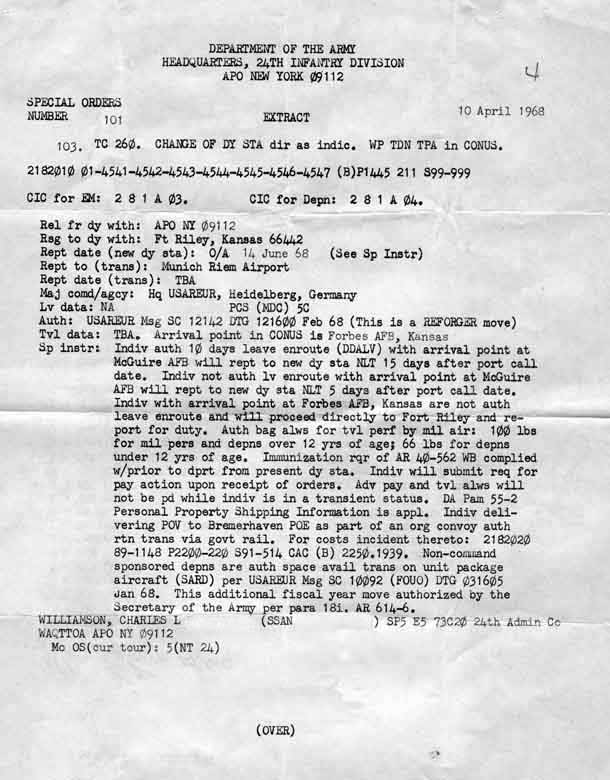
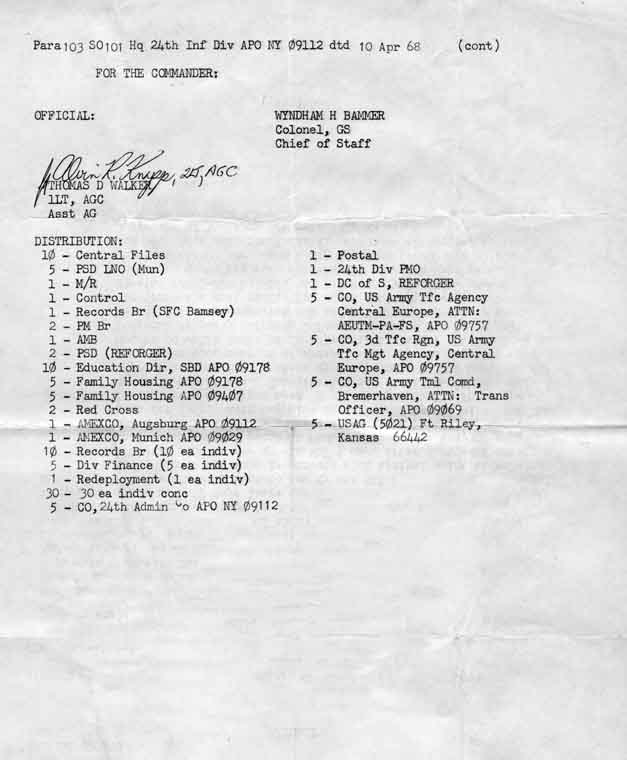
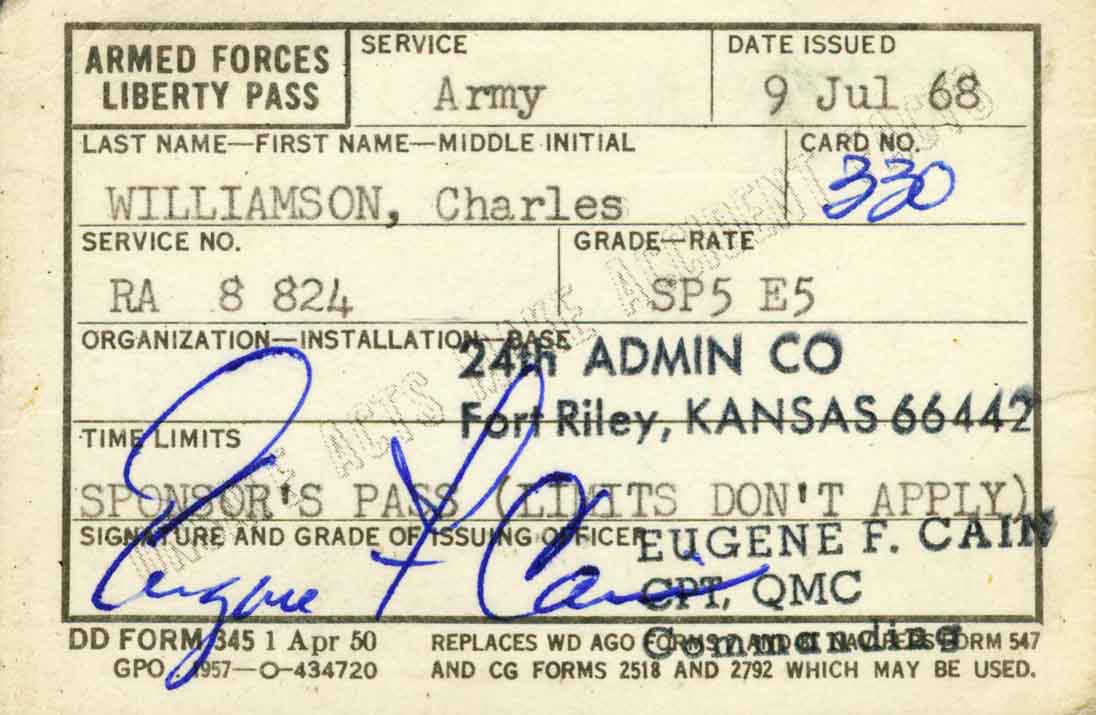
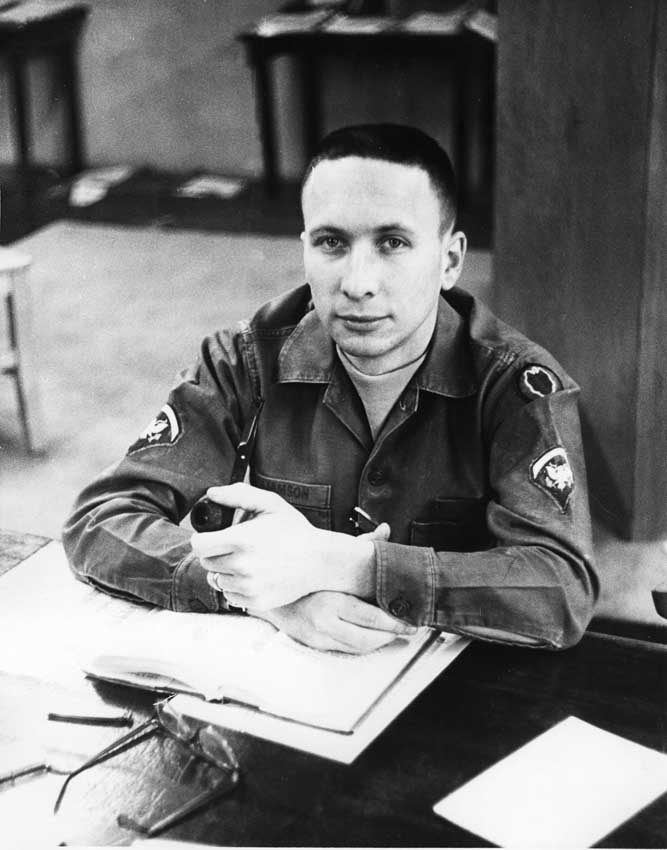
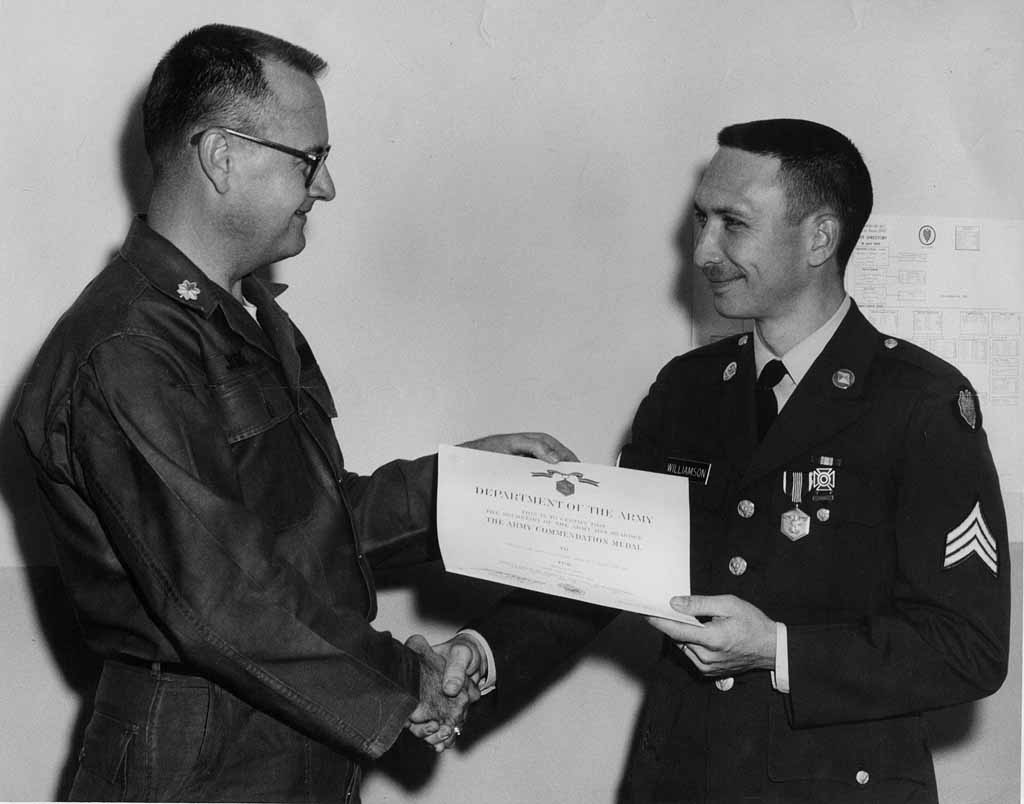
With the exception of the first row, these photo’s begin in the early 1960’s through the early 80’s. I was in the army from 1966 to 1969, Jim from 1965 to 1968. We both were stationed for a time in Germany and brought the girls with us! For the last 40+ years we’ve lived within a few miles from each other- in Tacoma.
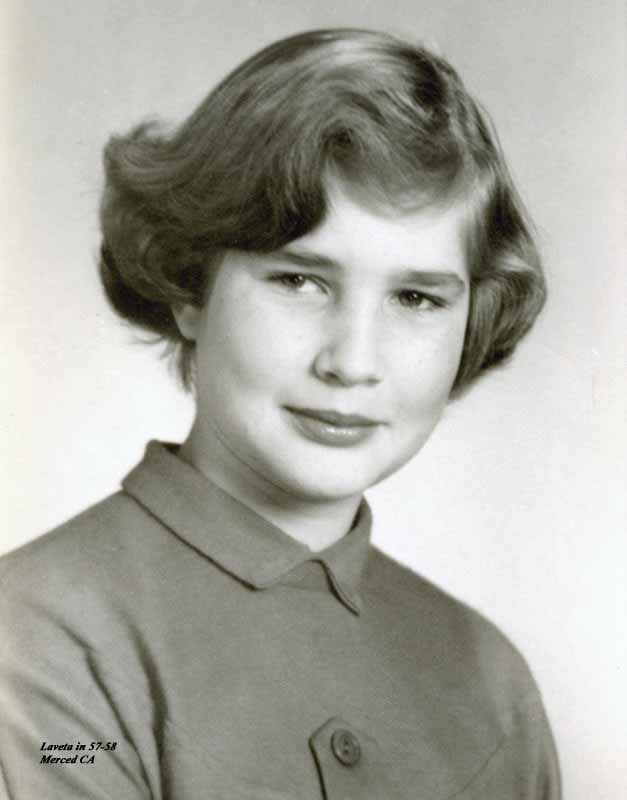

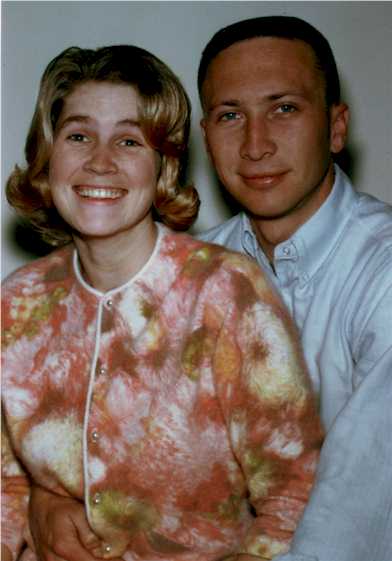
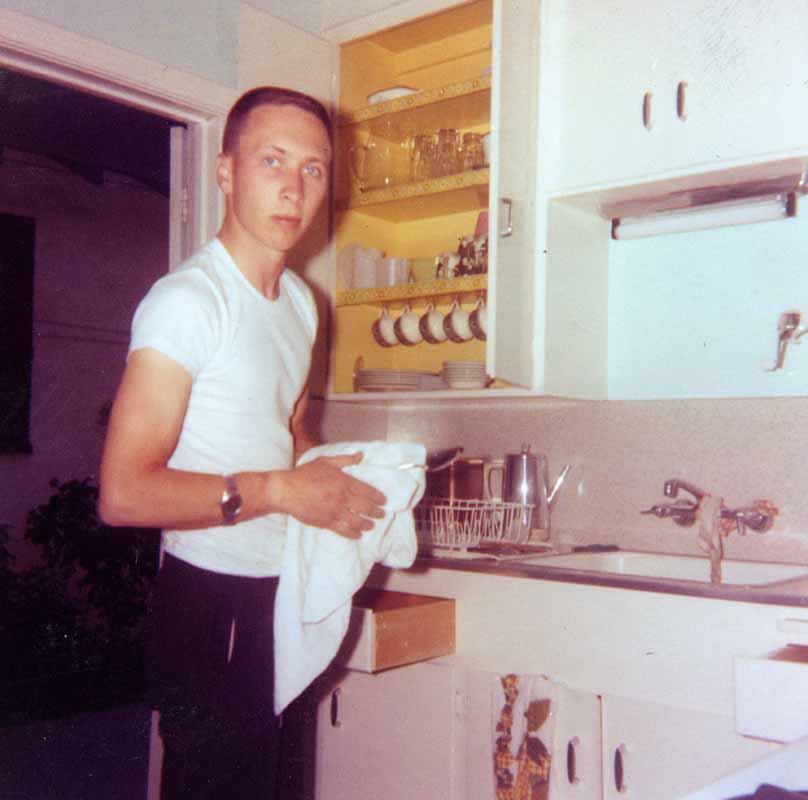
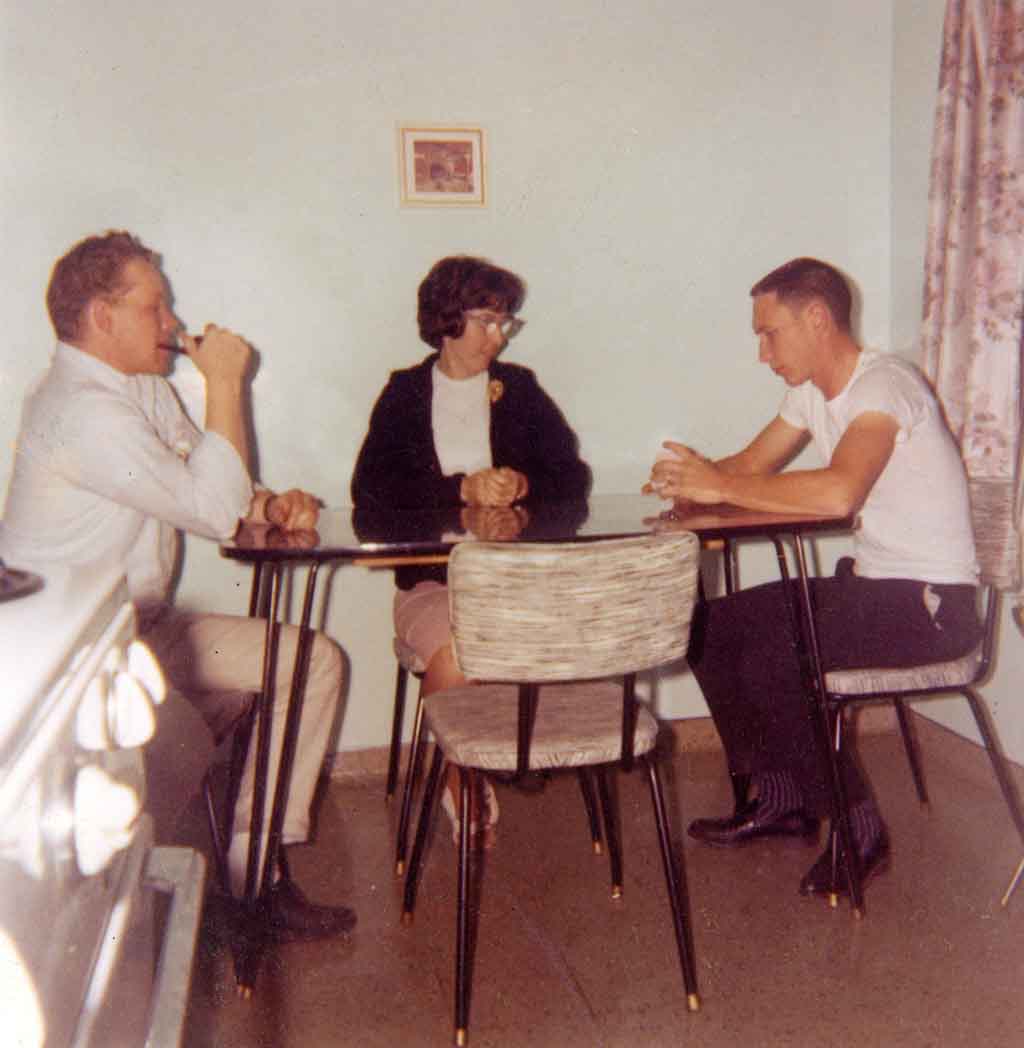
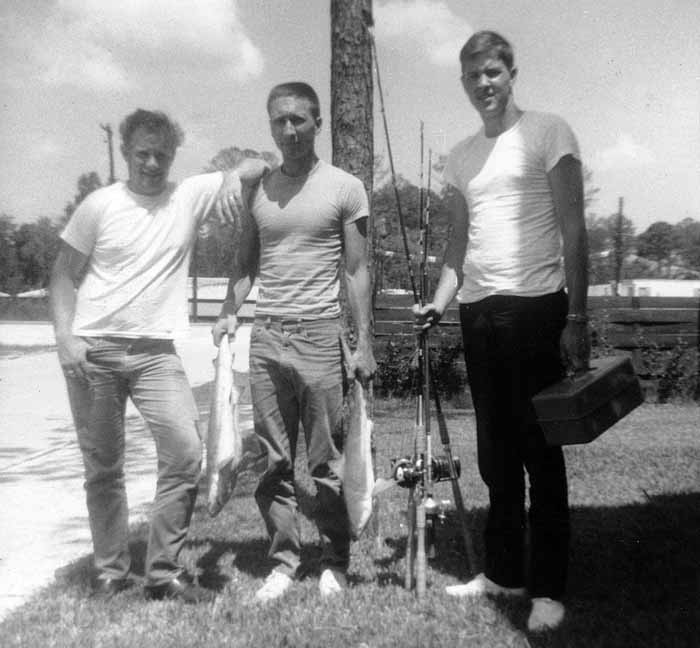
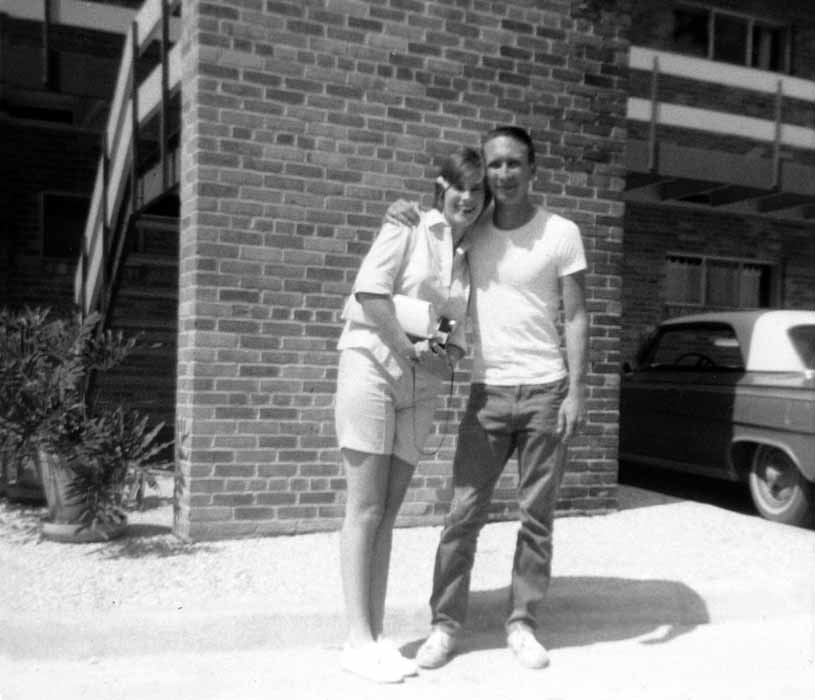
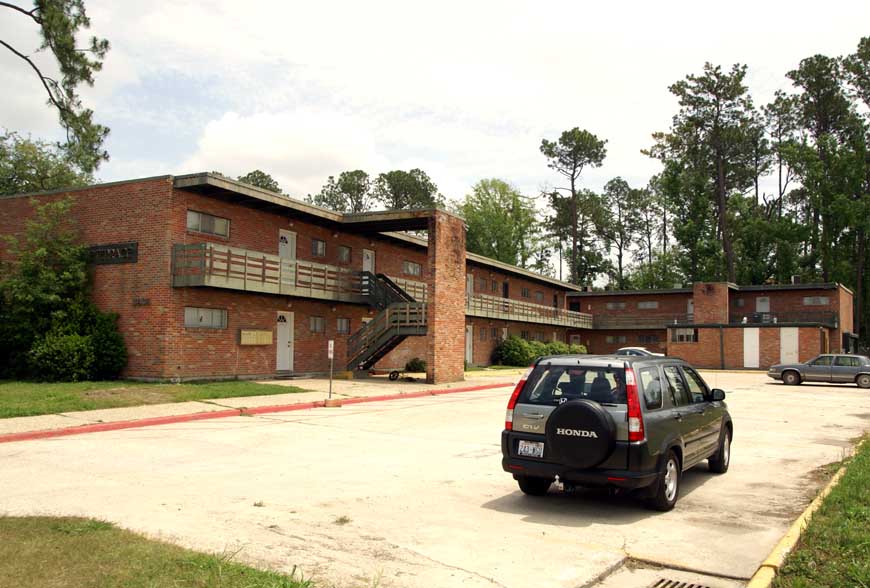
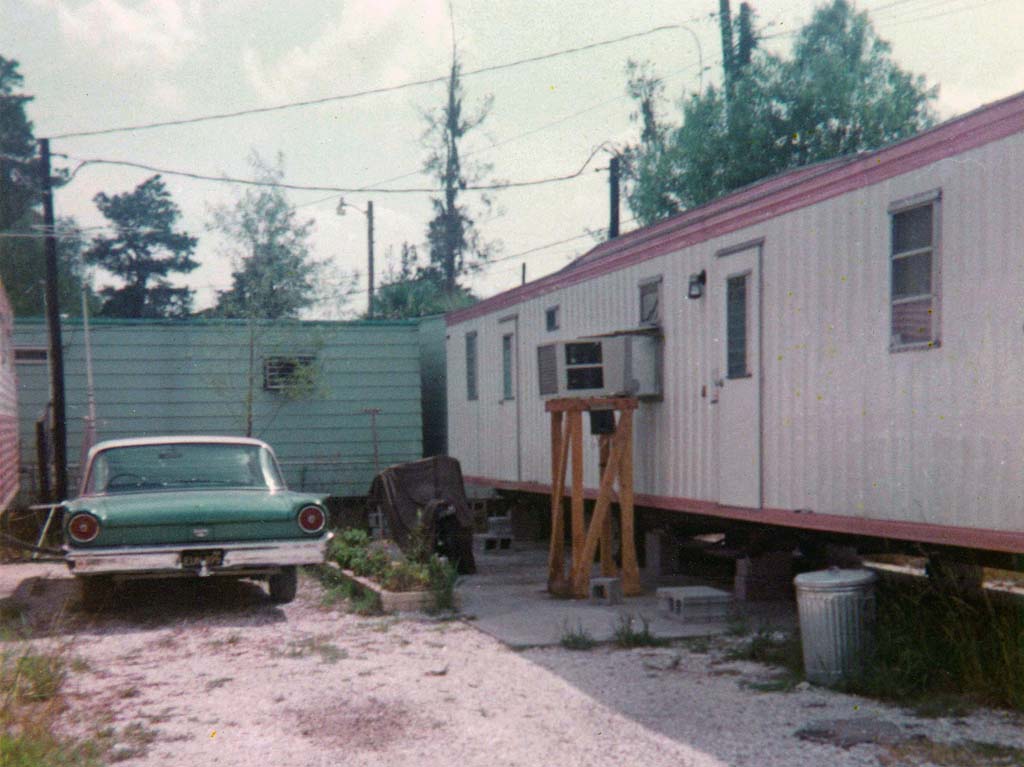
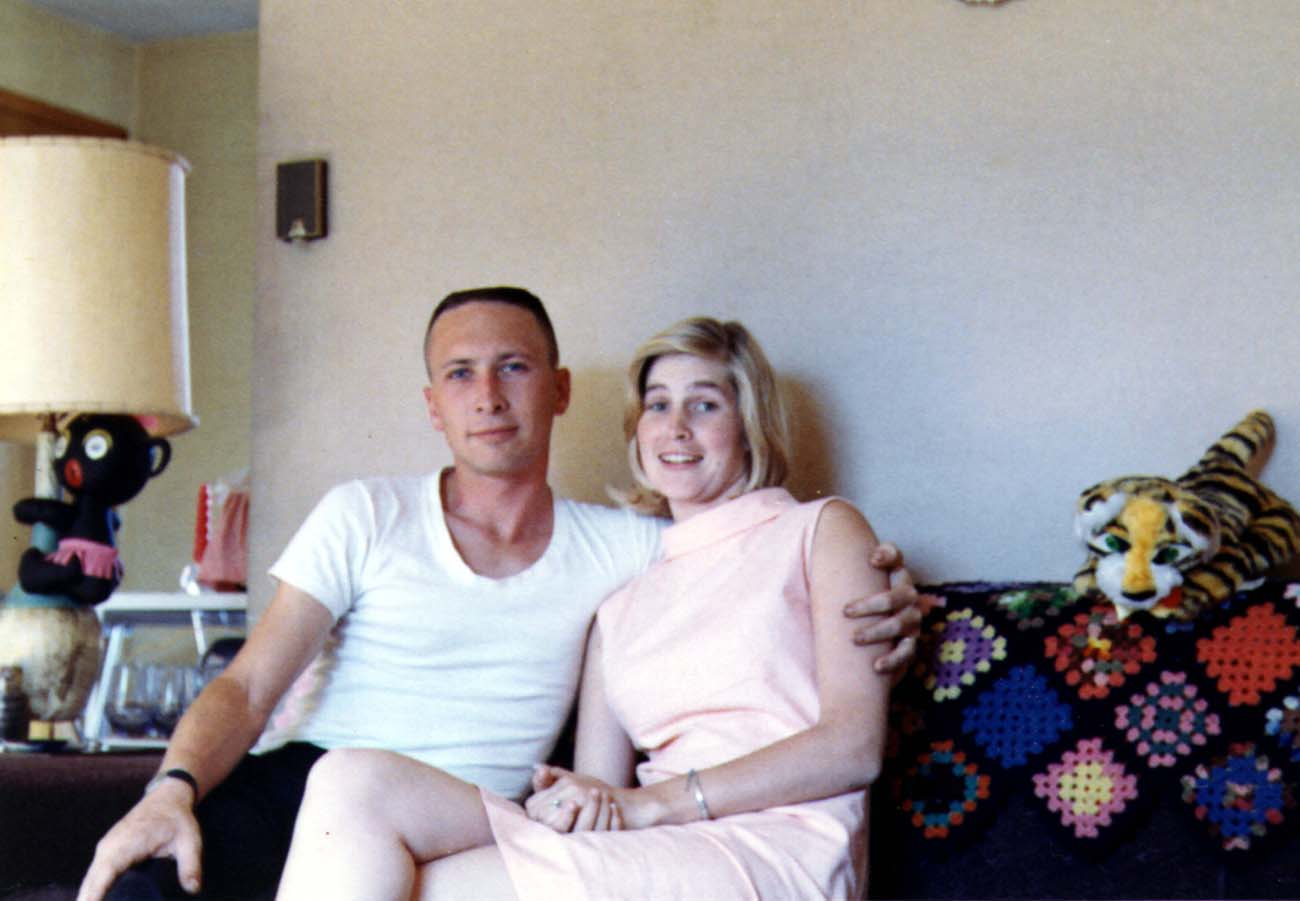
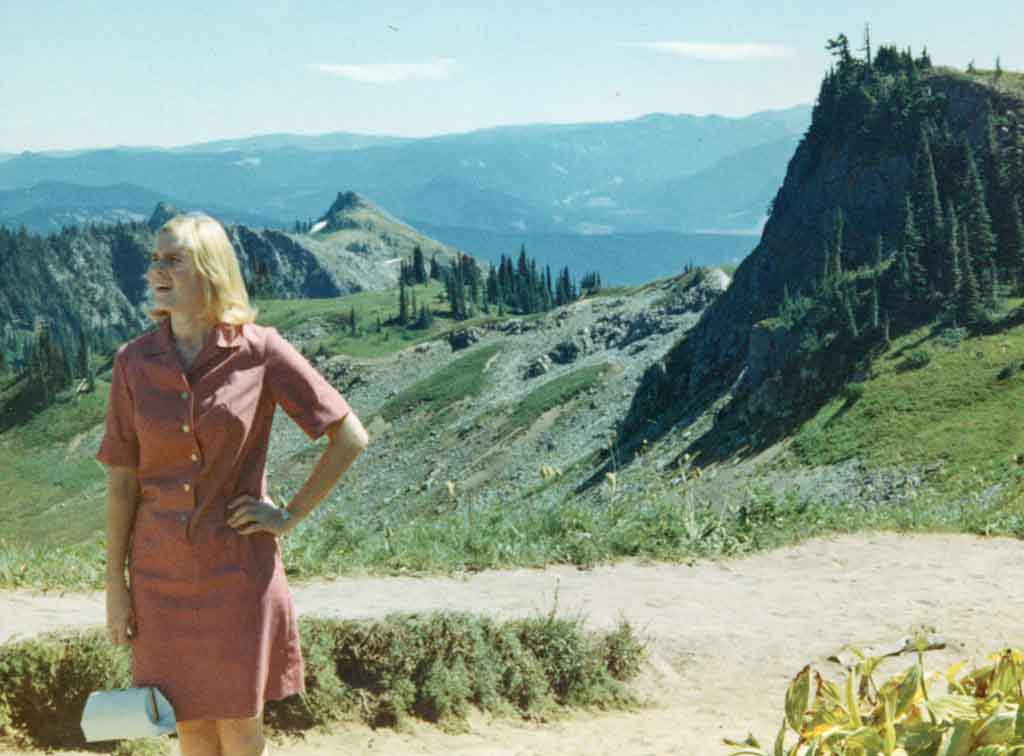
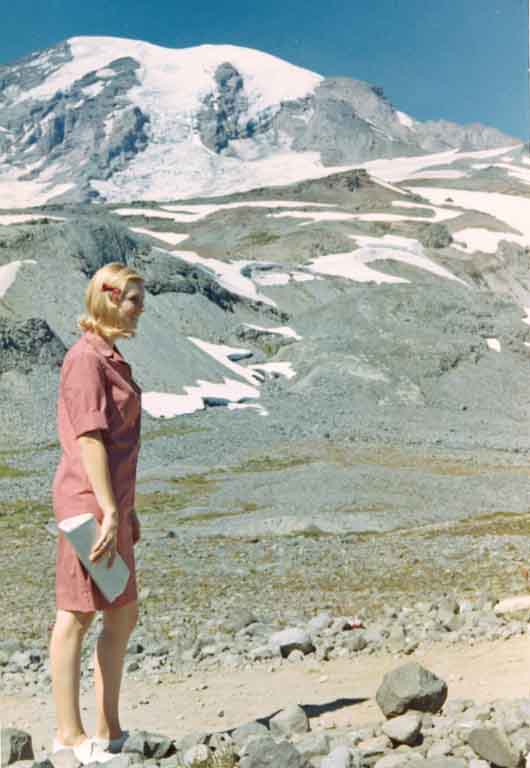
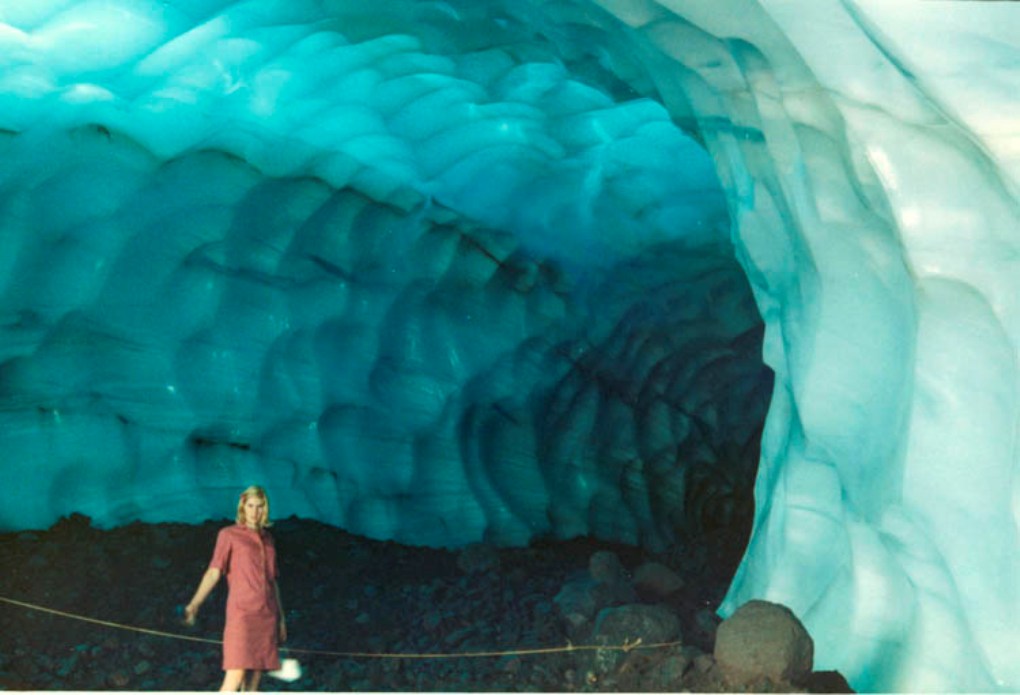
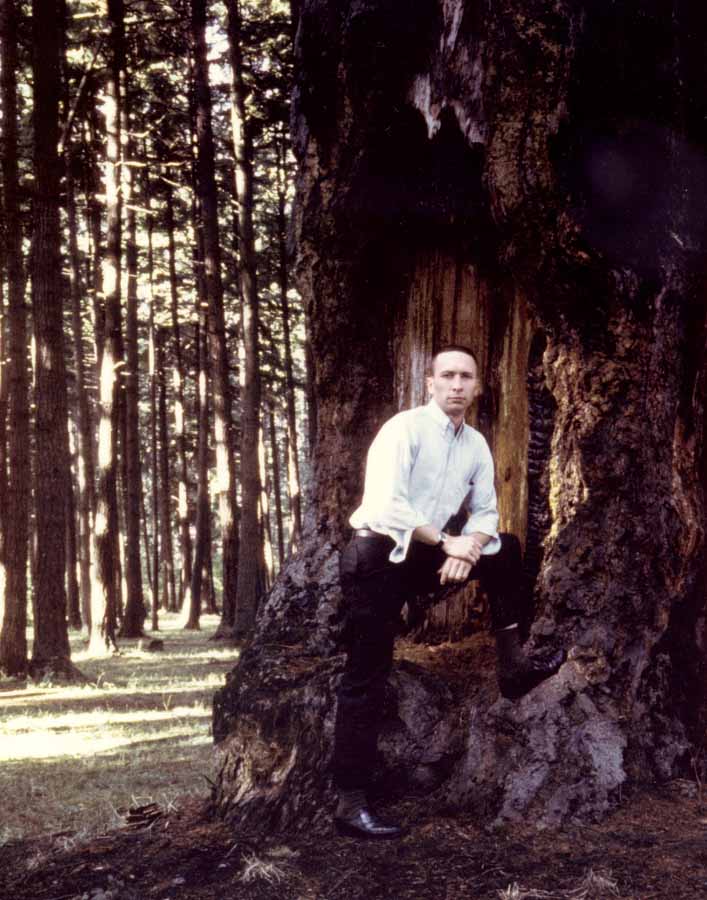
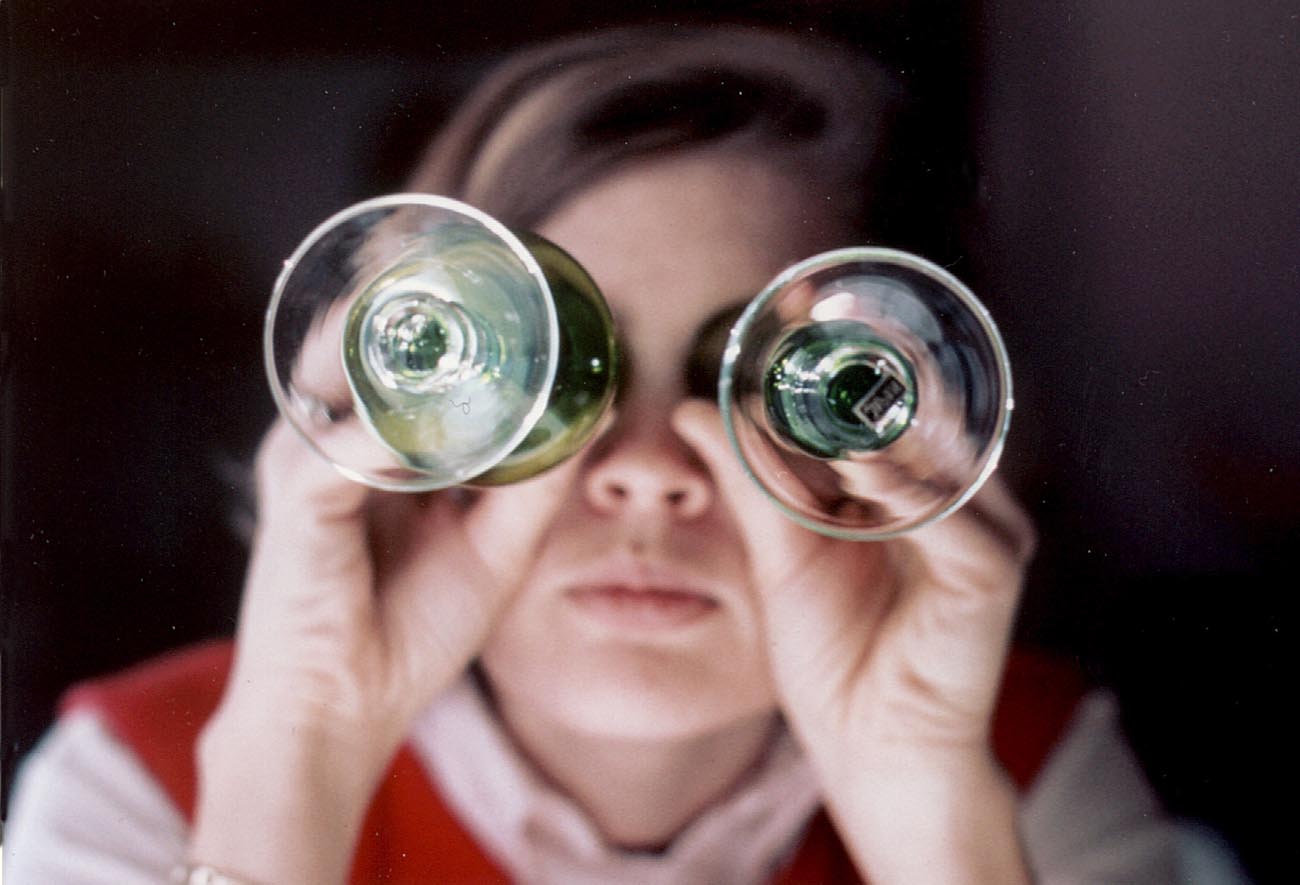
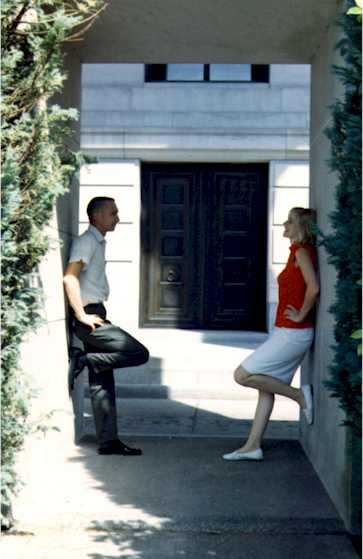
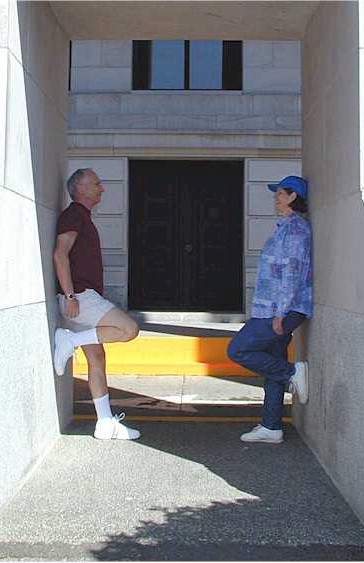
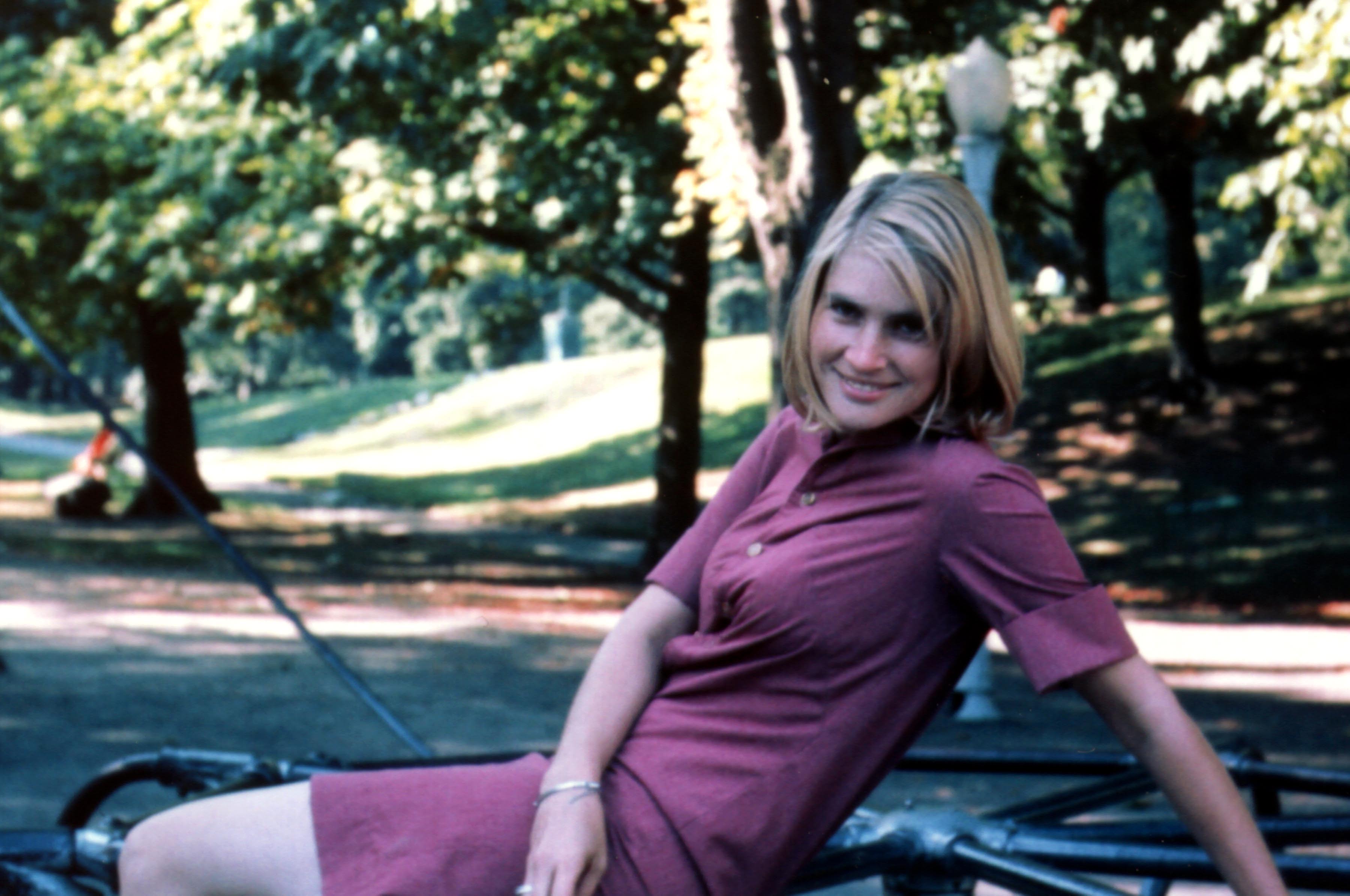
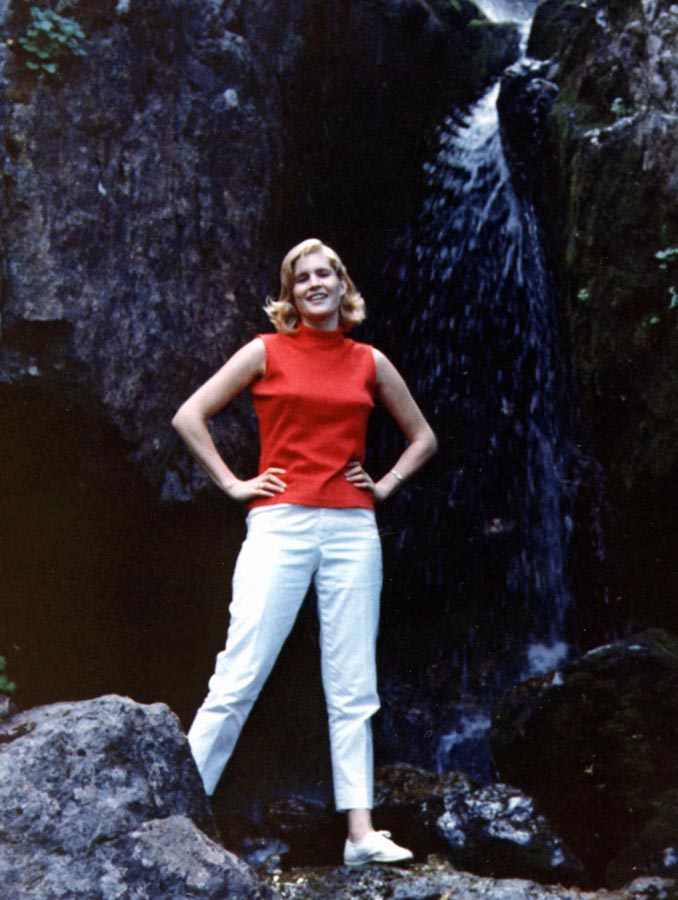
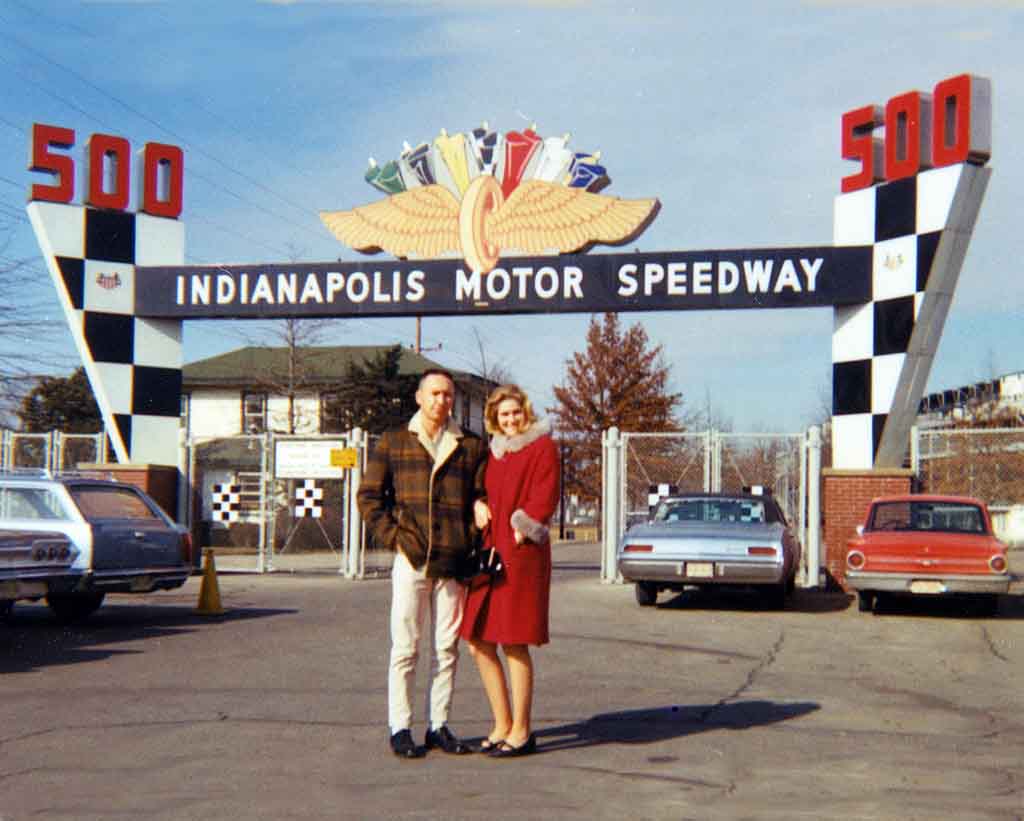
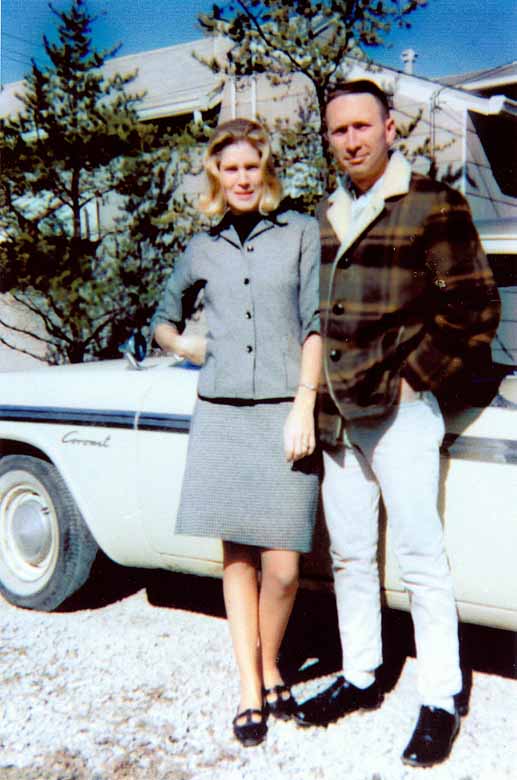
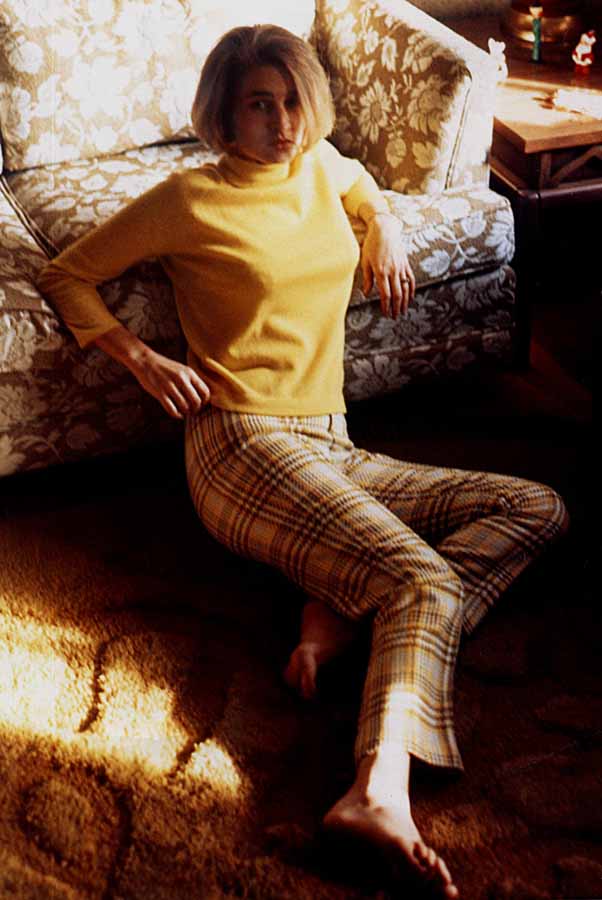
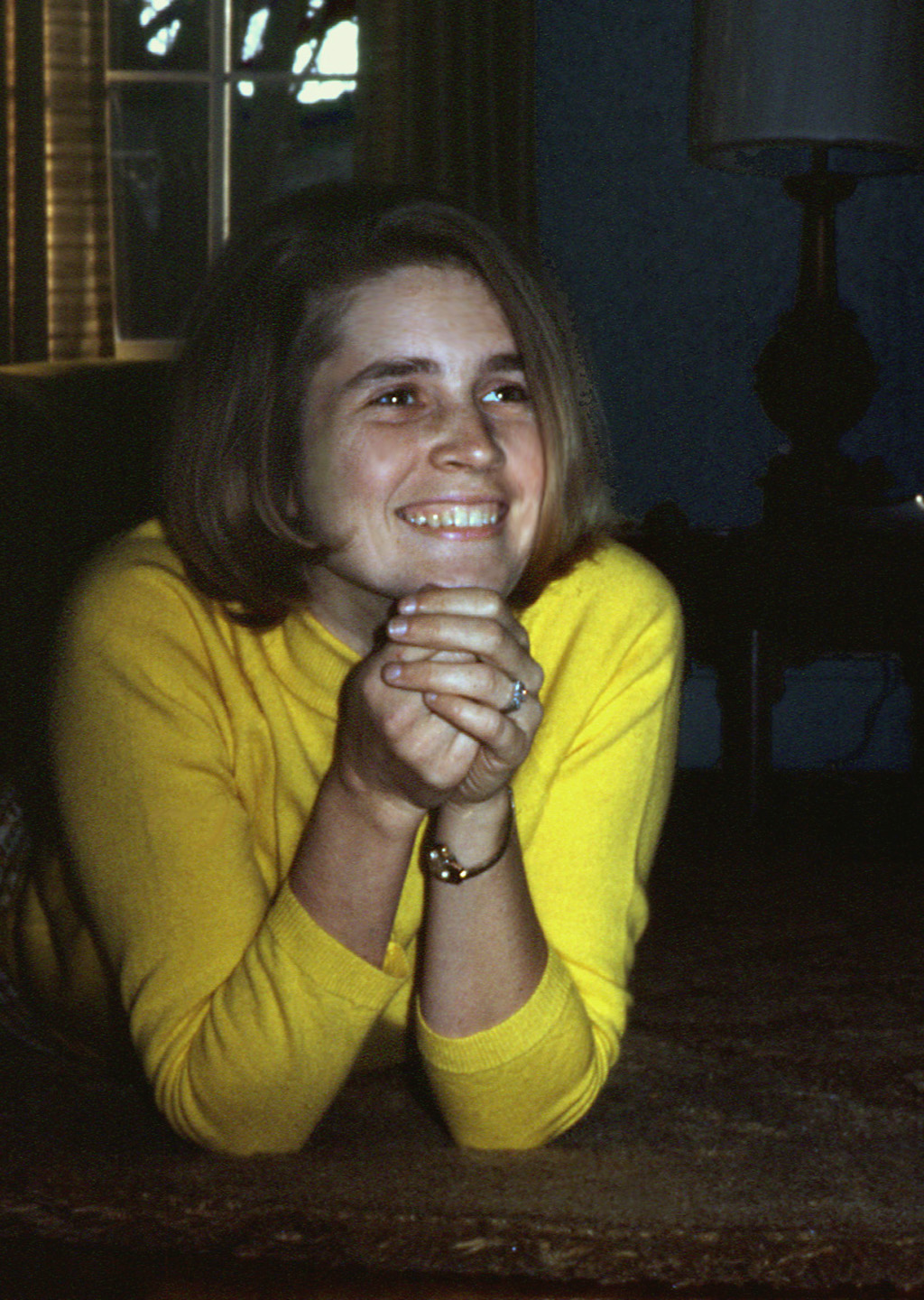
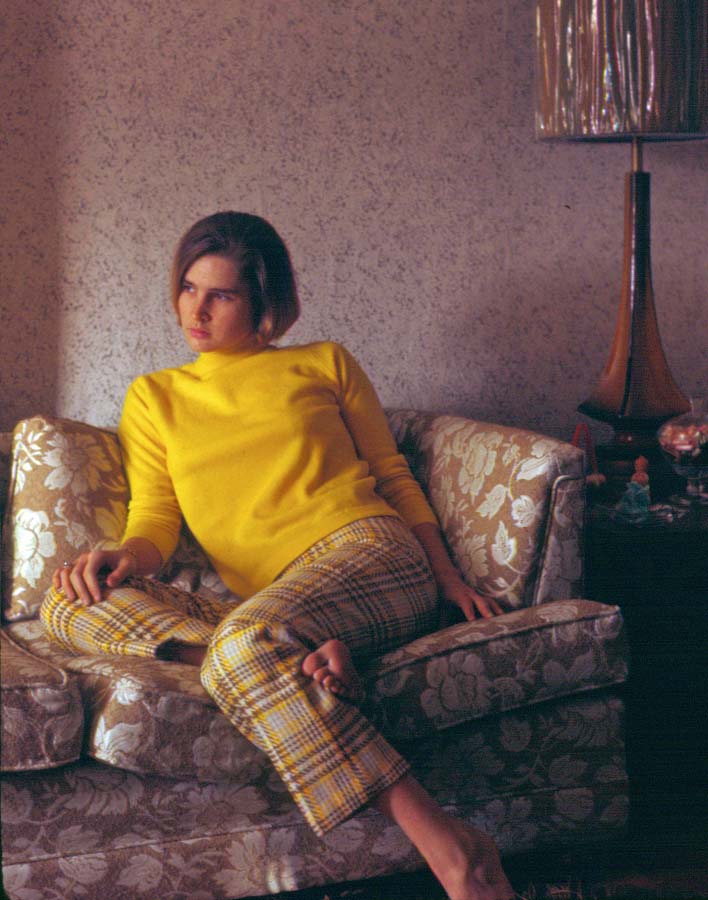
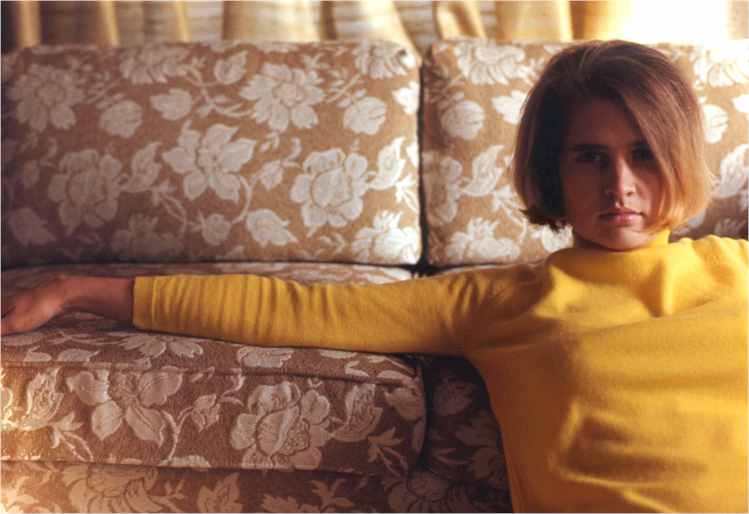
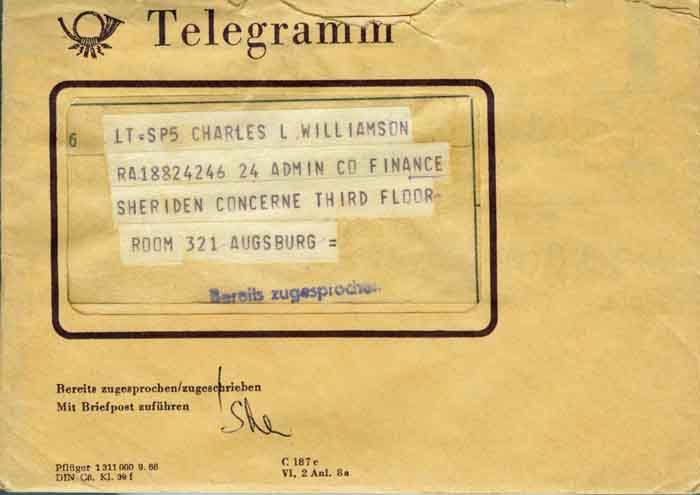
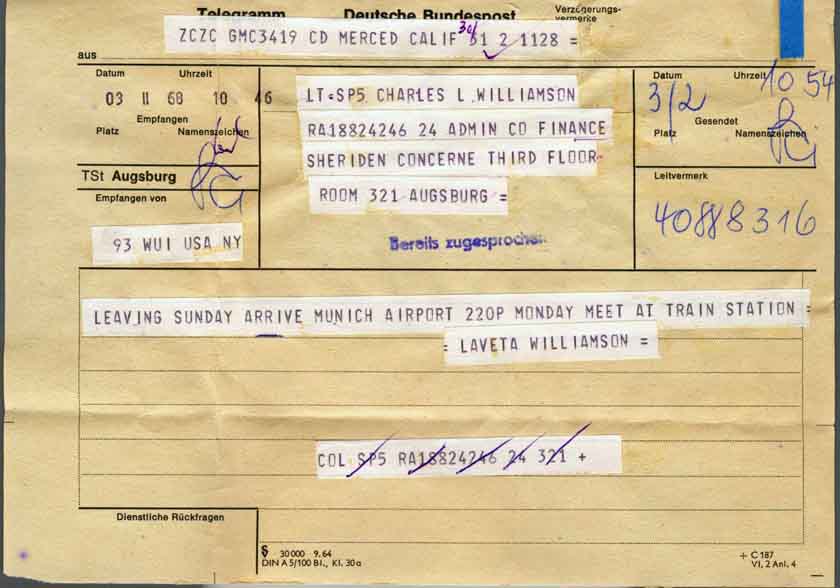
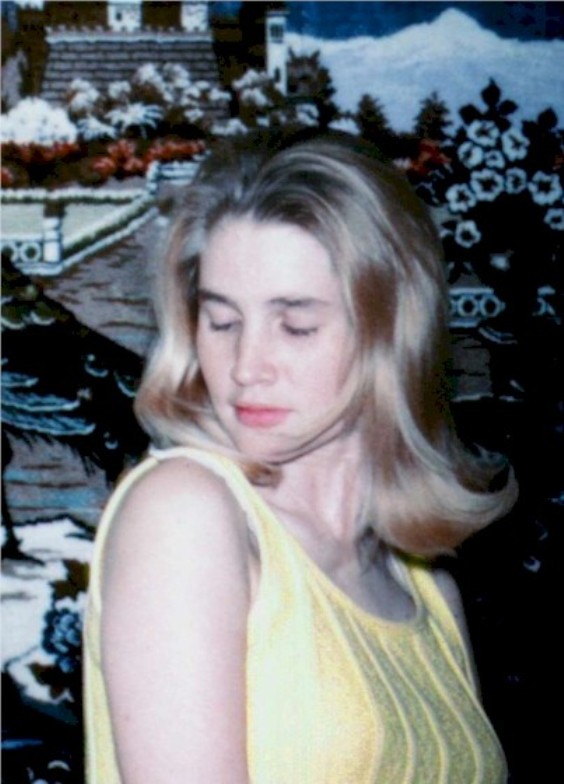
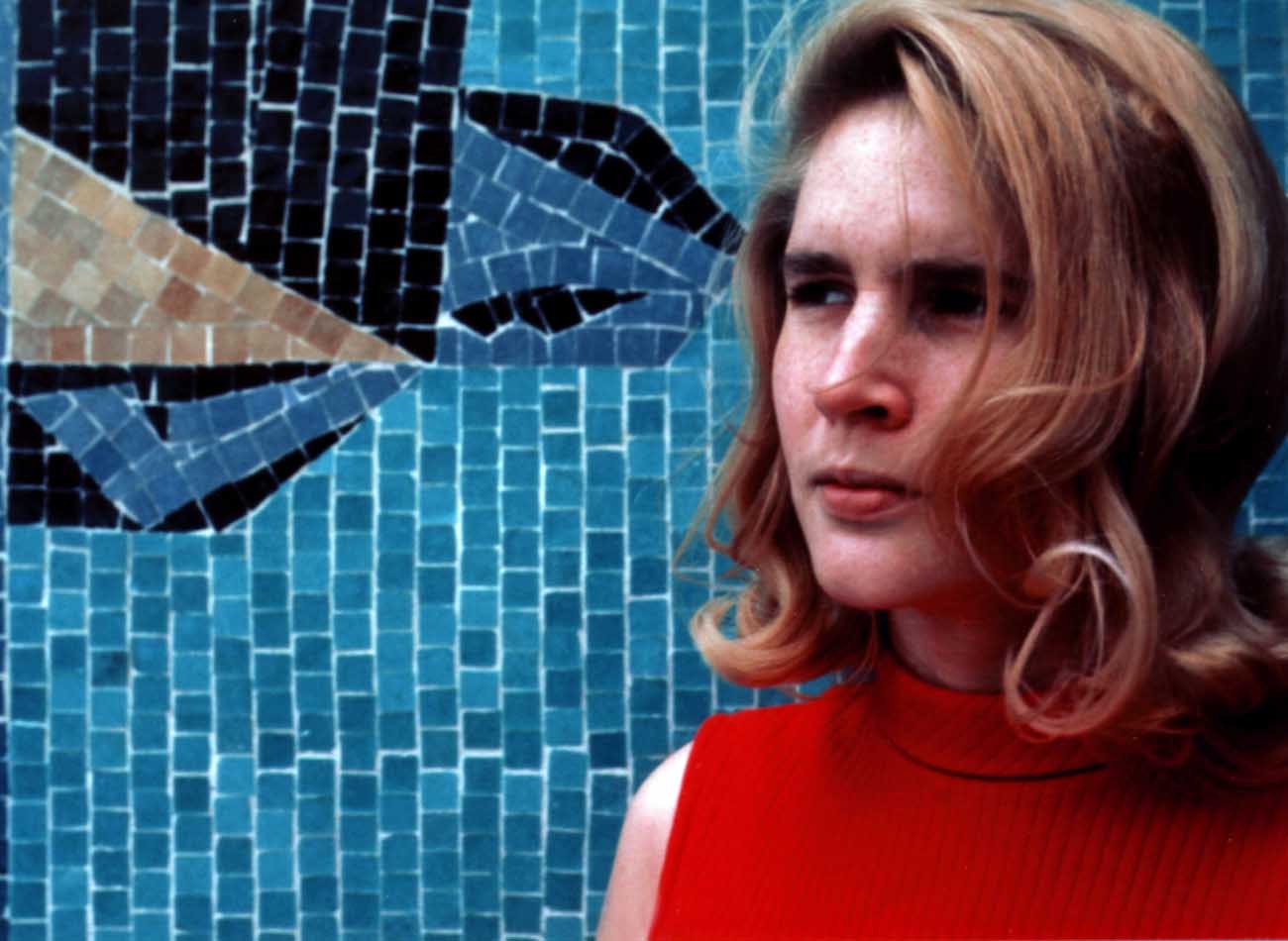
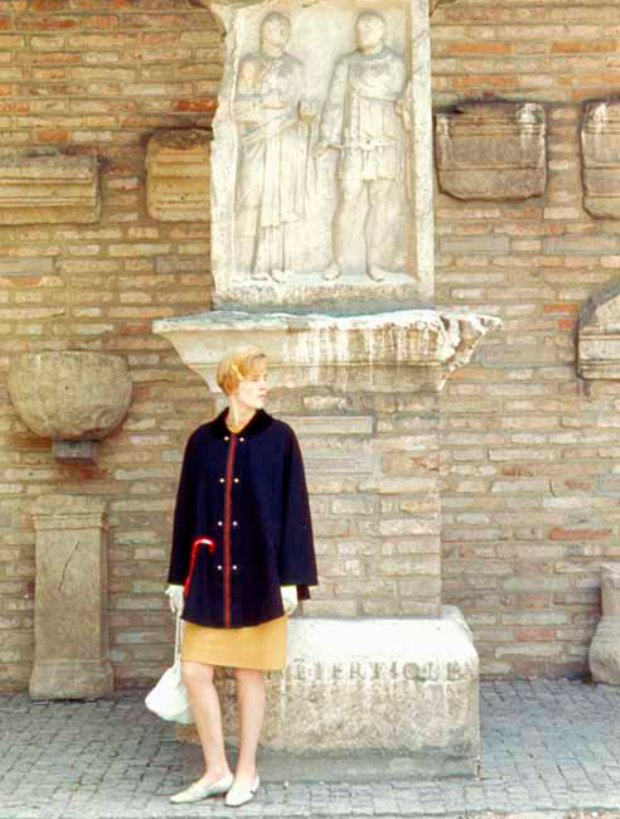
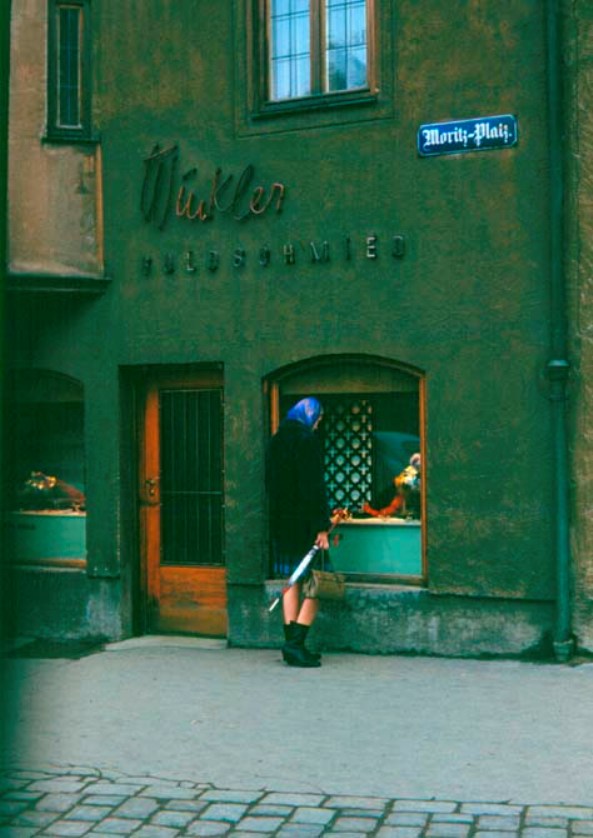
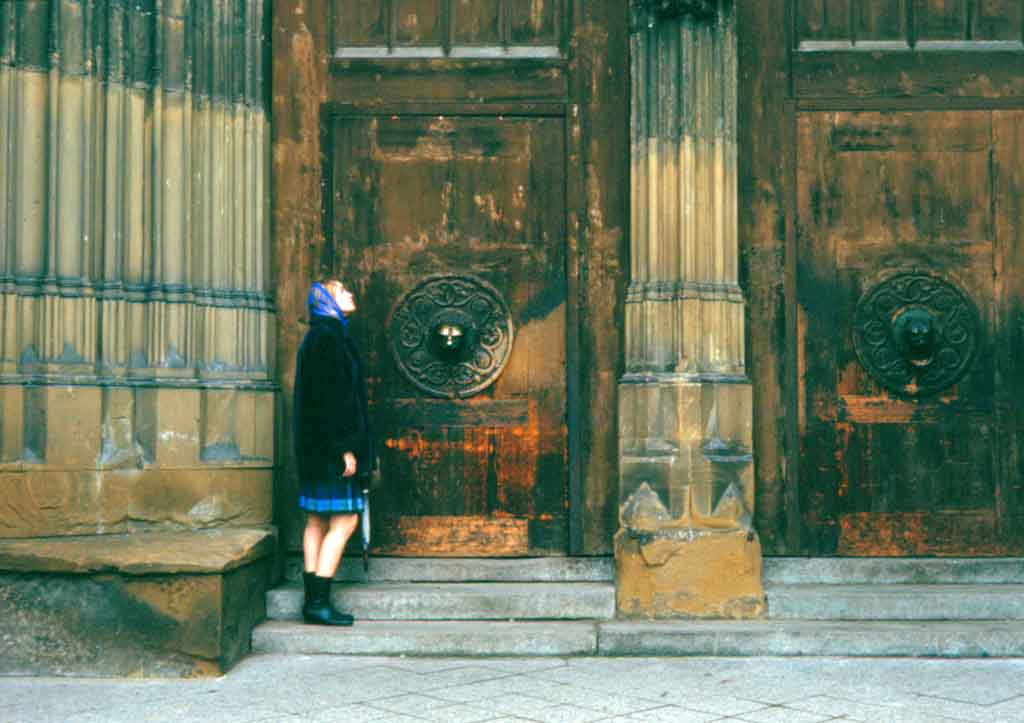
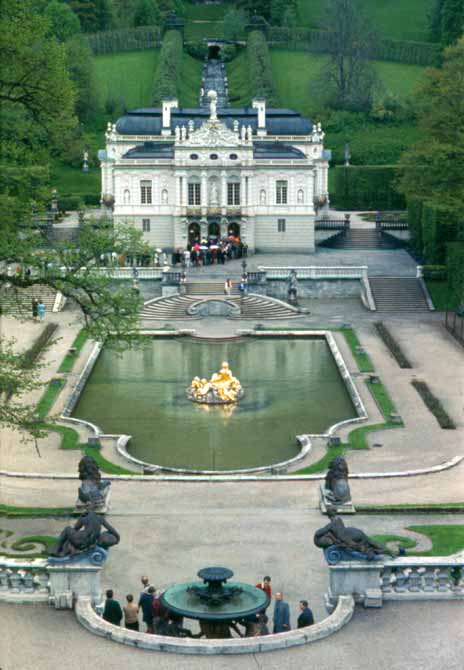
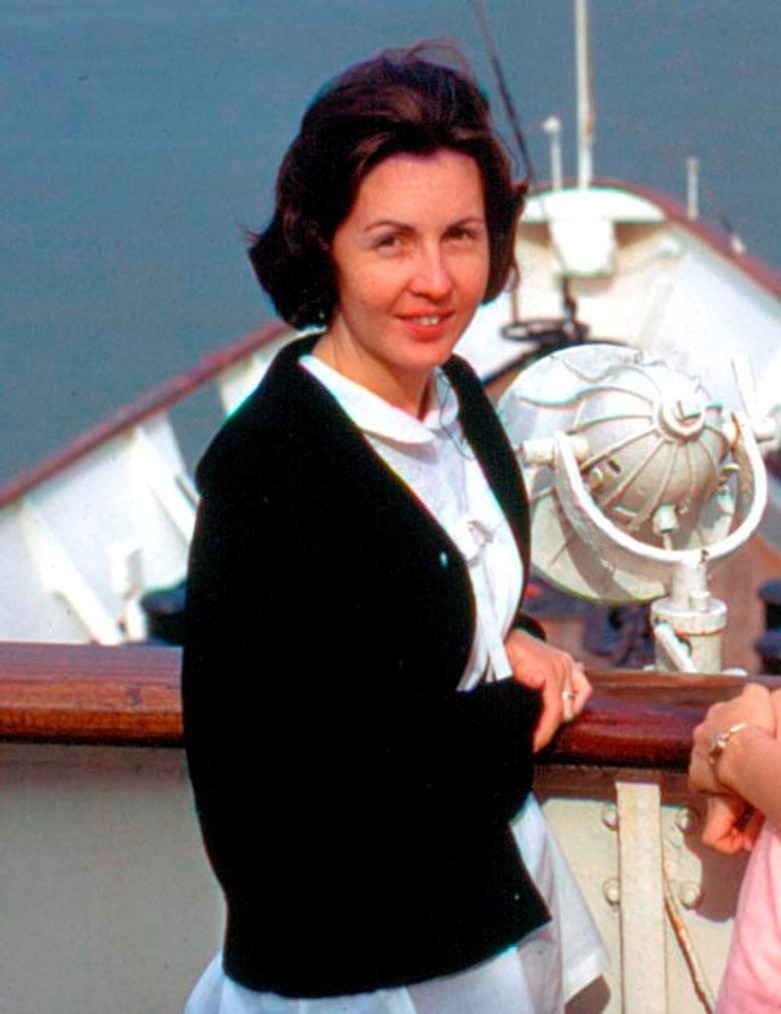
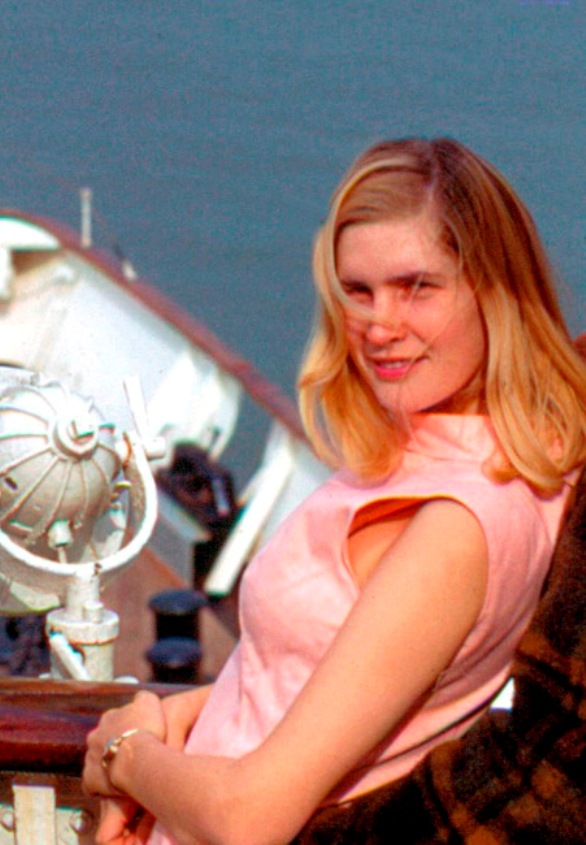
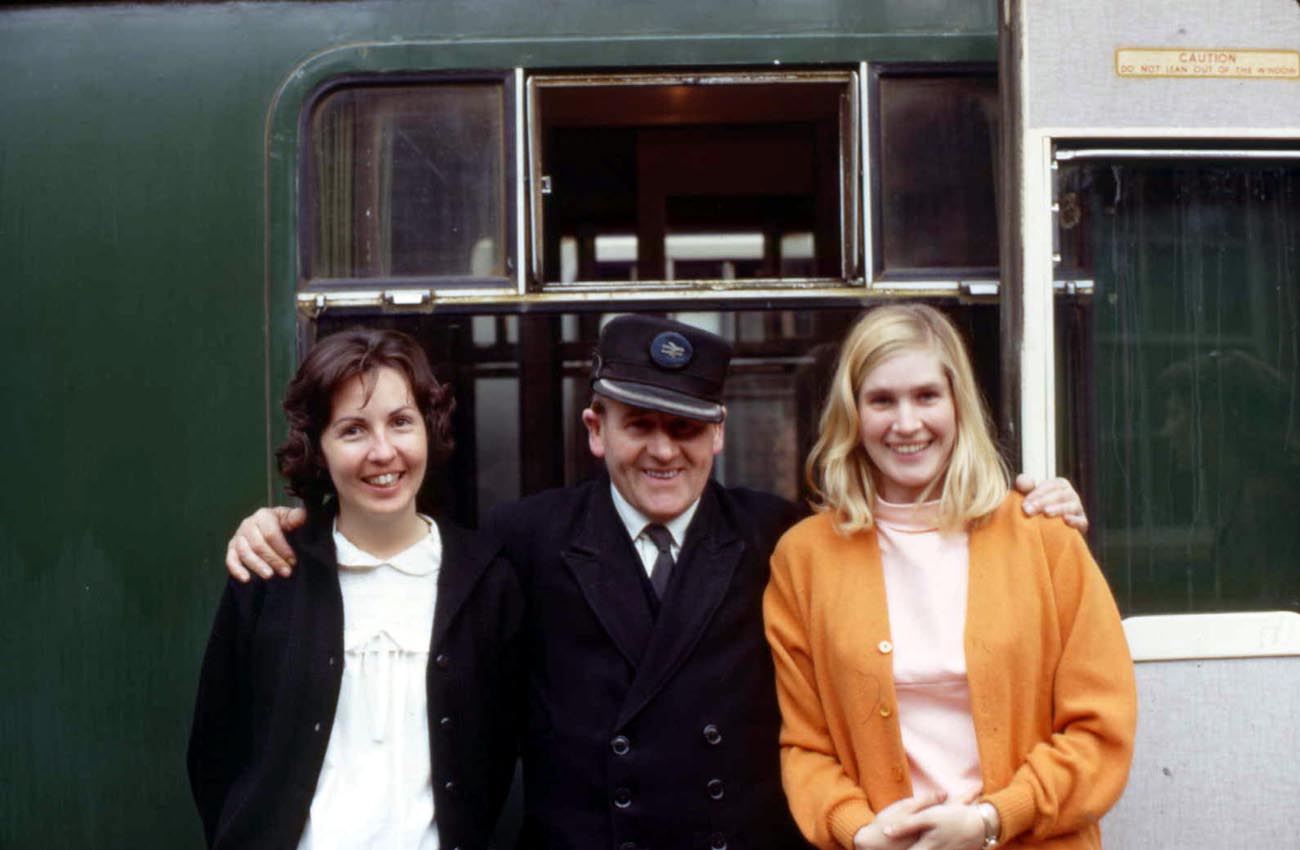
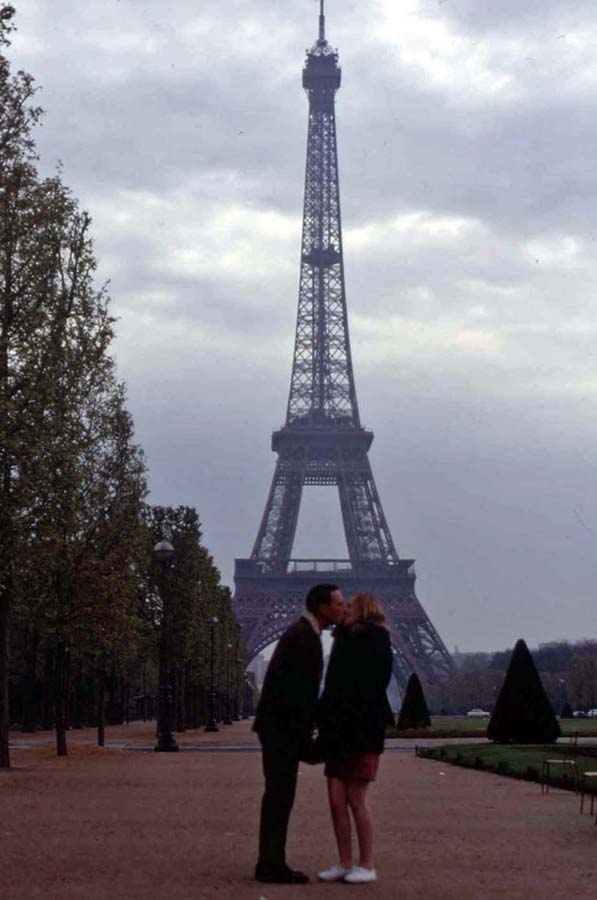
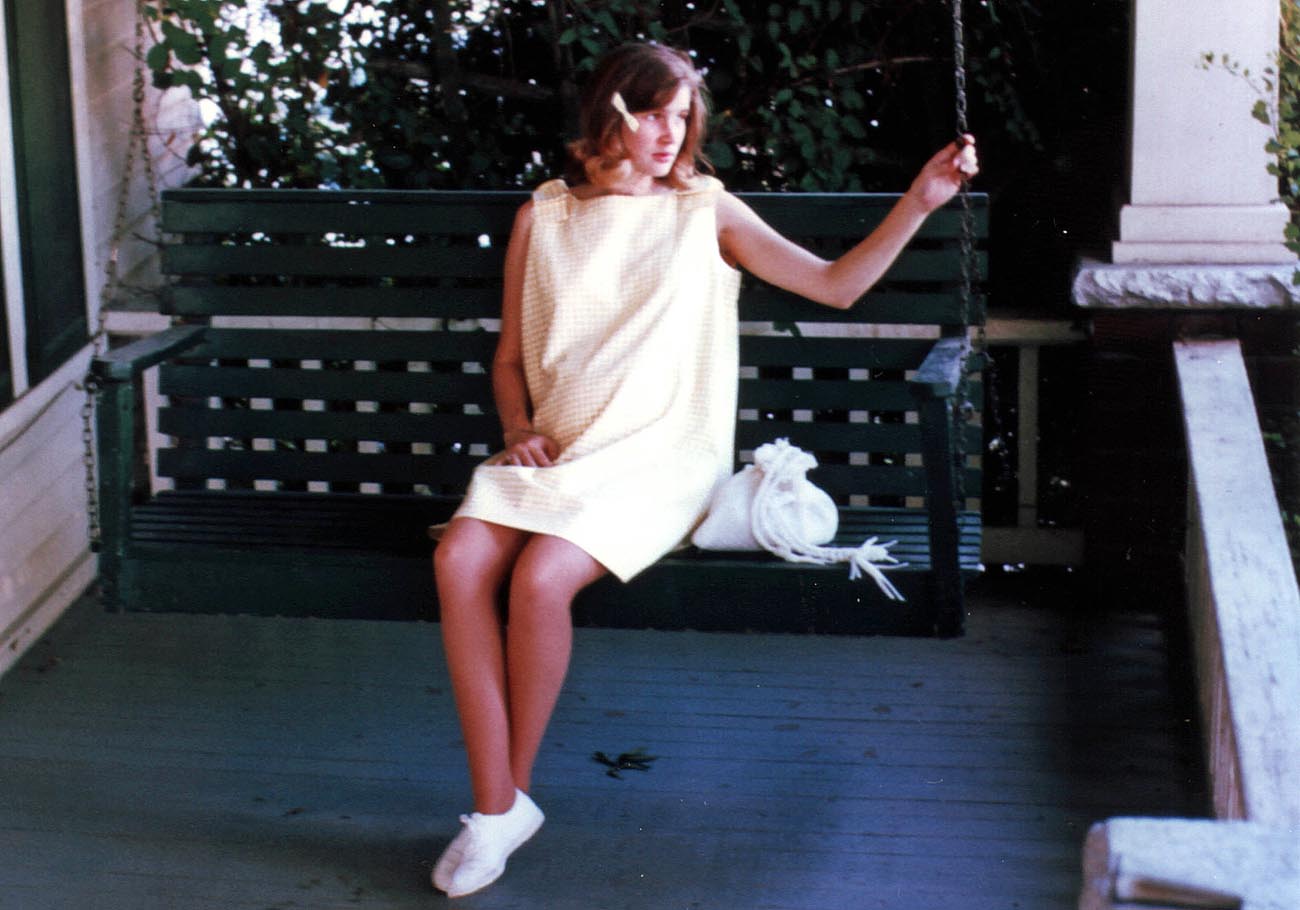
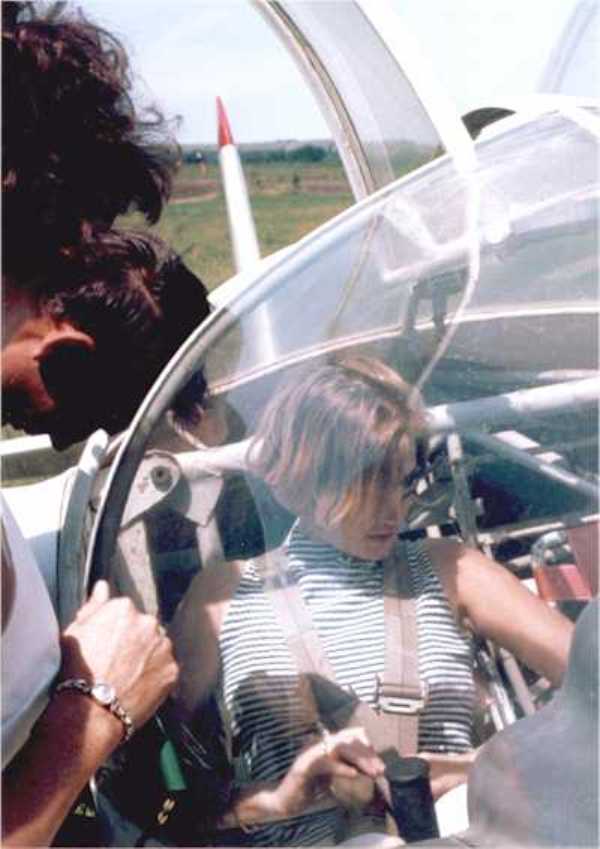
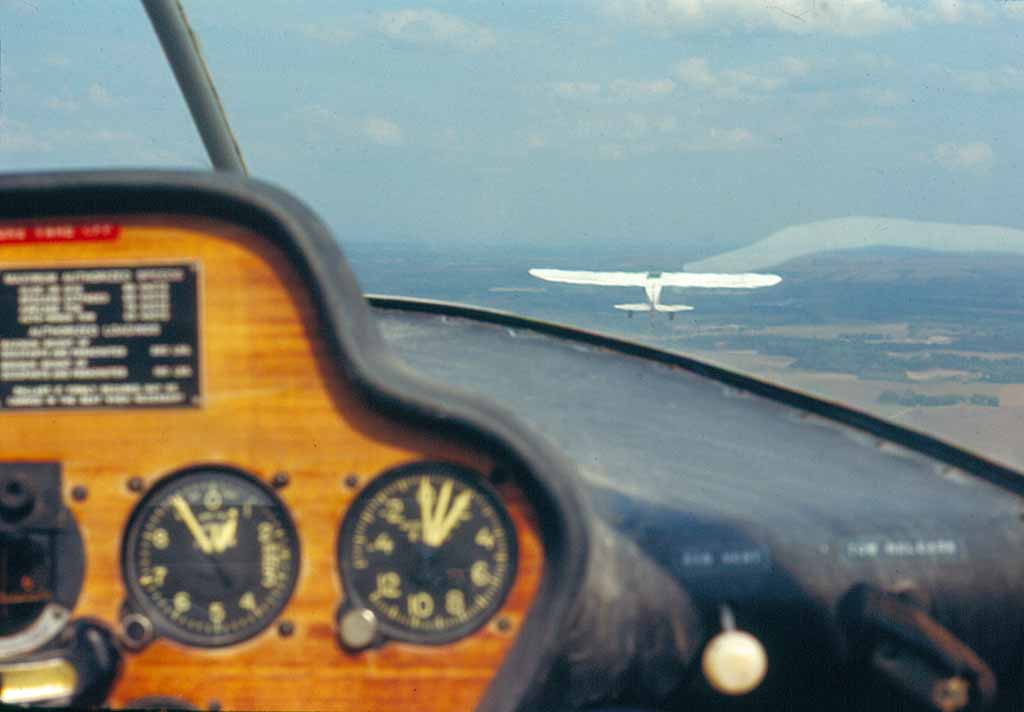
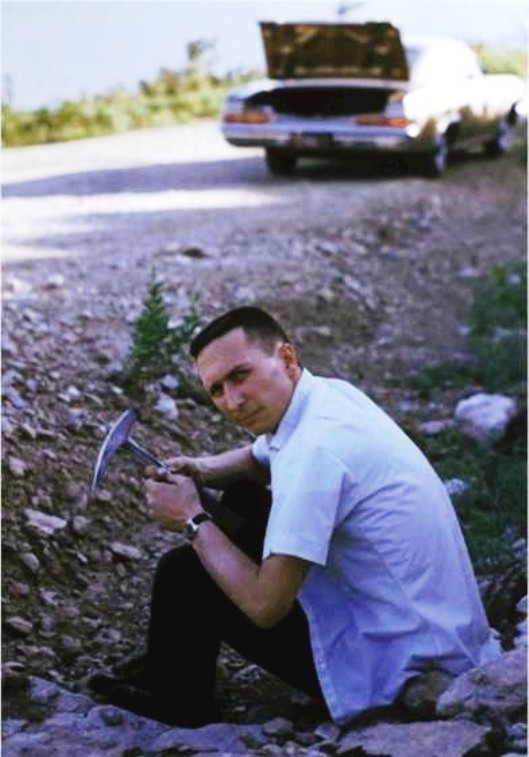
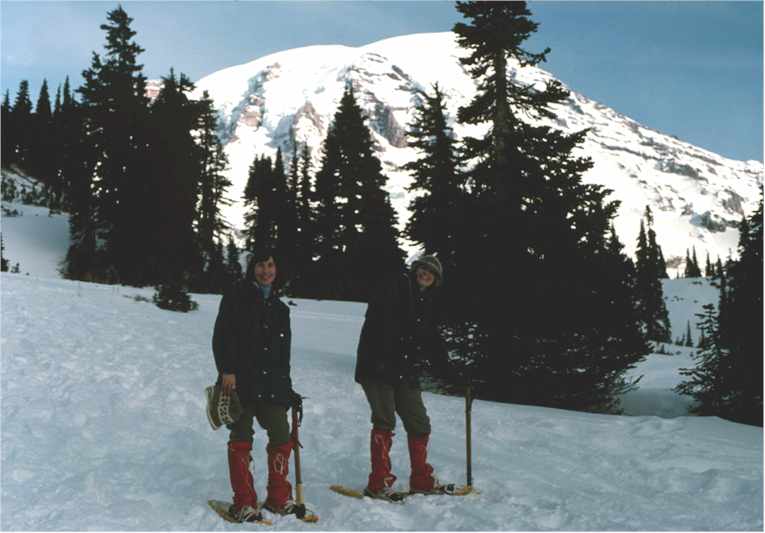
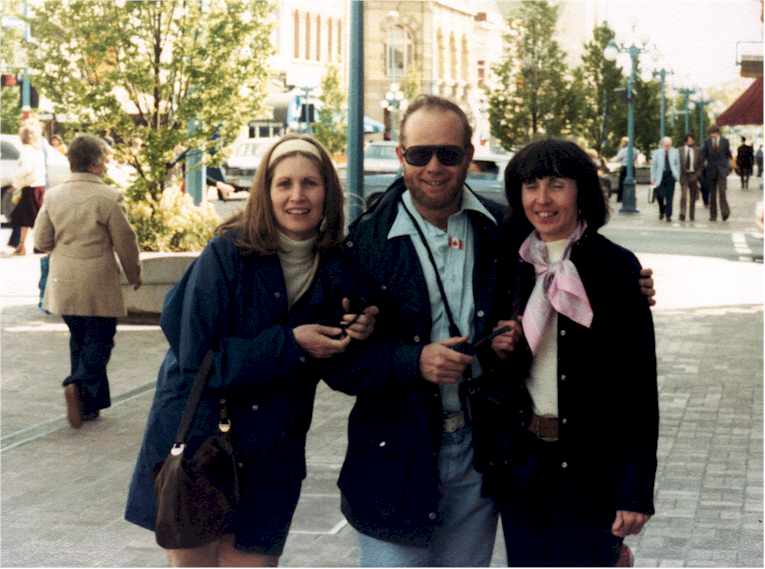
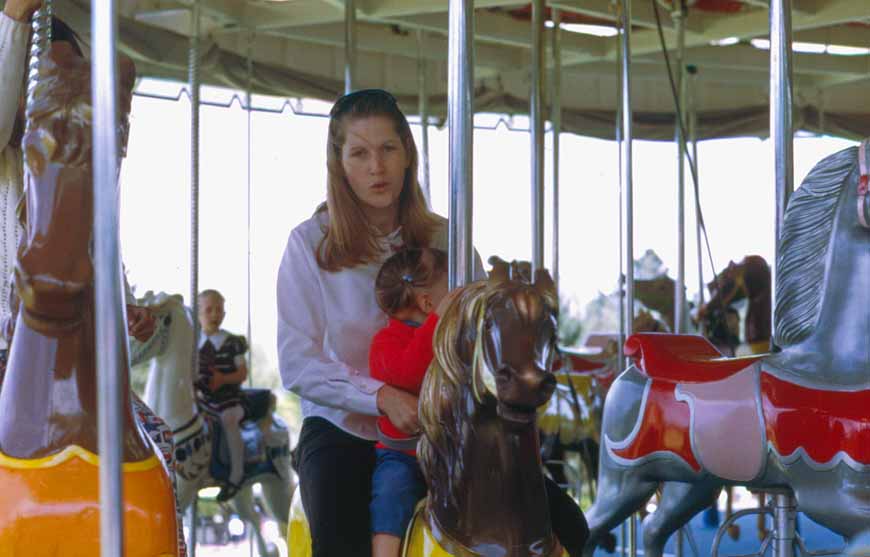
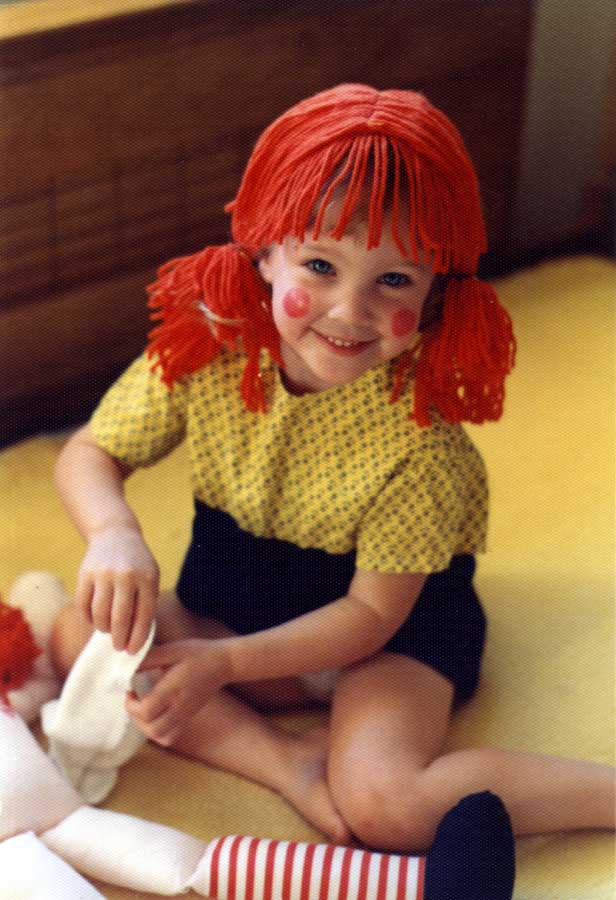
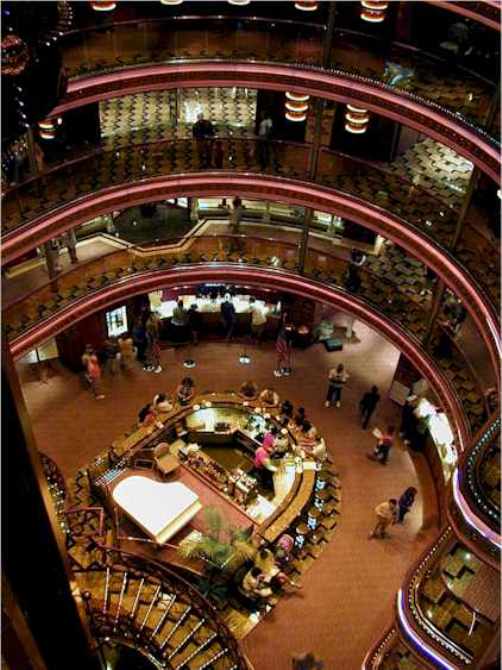
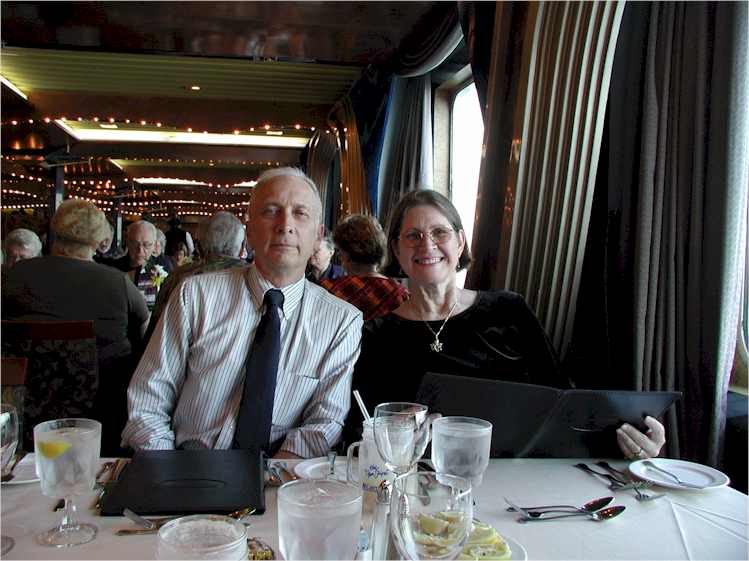
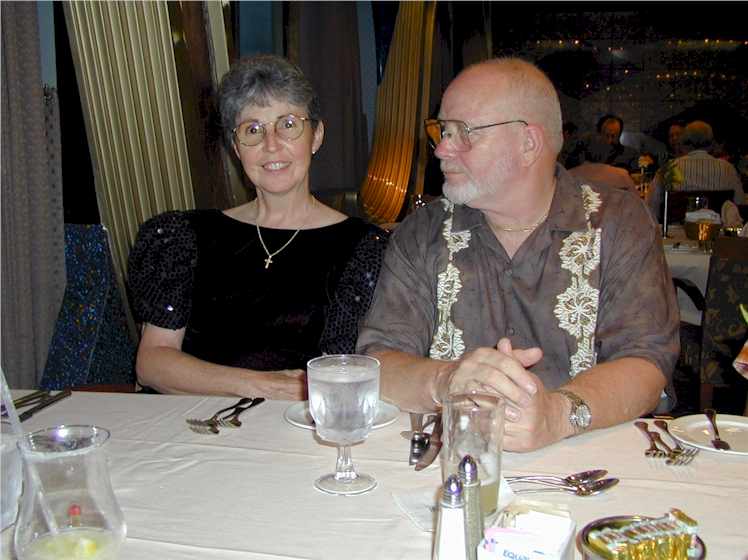
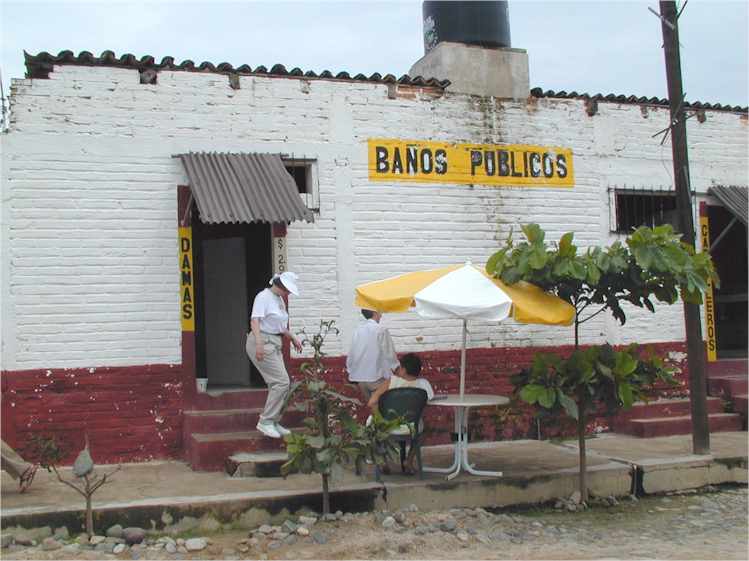
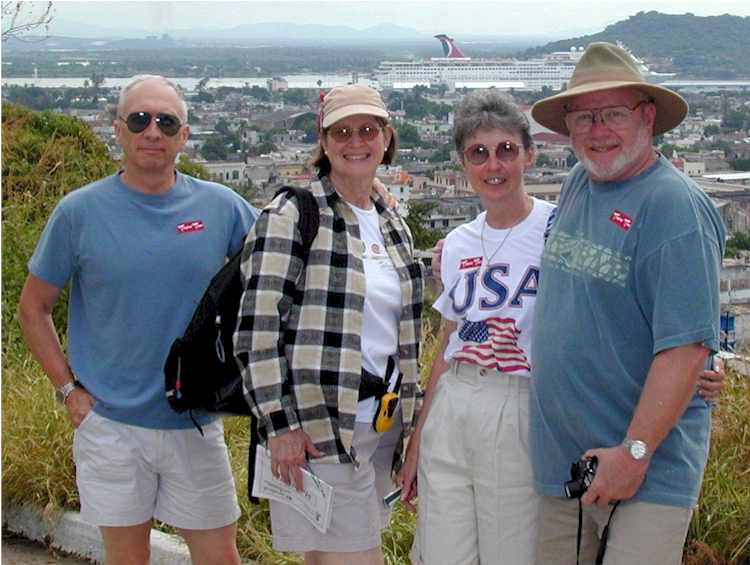
In The Beginning…
I heard the spring wind whisper
Above the brushwood fire,
"The world is made forever
Of transport and desire.
"I am the breath of being,
The primal urge of things;
I am the whirl of star dust,
I am the lift of wings.
"I am the splendid impulse
That comes before the thought,
The joy and exaltation
Wherein the life is caught.
"Across the sleeping furrows
I call the buried seed,
And blade and bud and blossom
Awaken at my need.
"Within the dying ashes
I blow the sacred spark,
And make the hearts of lovers
To leap against the dark."
II
I heard the spring light whisper
Above the dancing stream,
"The world is made forever
In likeness of a dream.
"I am the law of planets,
I am the guide of man;
The evening and the morning
Are fashioned to my plan.
"I tint the dawn with crimson,
I tinge the sea with blue;
My track is in the desert,
My trail is in the dew.
"I paint the hills with color,
And in my magic dome
I light the star of evening
To steer the traveller home.
"Within the house of being,
I feed the lamp of truth
With tales of ancient wisdom
And prophecies of youth."
III
I heard the spring rain murmur
Above the roadside flower,
"The world is made forever
In melody and power.
"I keep the rhythmic measure
That marks the steps of time,
And all my toil is fashioned
To symmetry and rhyme.
"I plow the untilled upland,
I ripe the seeding grass,
And fill the leafy forest
With music as I pass.
"I hew the raw, rough granite
To loveliness of line,
And when my work is finished,
Behold, it is divine!
"I am the master-builder
In whom the ages trust.
I lift the lost perfection
To blossom from the dust."
IV
Then Earth to them made answer,
As with a slow refrain
Born of the blended voices
Of wind and sun and rain,
"This is the law of being
That links the threefold chain:
The life we give to beauty
Returns to us again."
I blessed the day I found you,
I want to stay around you,
And so I beg you,
Let it be me.
Don’t take this heaven from one,
If you must cling to someone,
Now and forever,
Let it be me.
Each time we meet love,
I find complete love,
Without your sweet love,
What would life be?
So never leave me lonely,
Tell me you love me only,
And that you’ll always
Let it be me
Each time we meet love,
I find complete love,
Without your sweet love,
What would life be?
So never leave me lonely,
Tell me you’ll love me only,
And that you’ll always,
Let it be me.
As performed by the Everly Brothers
Hit # 7 on the top 40 charts in February, 1960 Also charted for Betty Everett & Jerry Butler in 1964 (reached #5), Glen Campbell & Bobbie Gentry in 1969 (hit #36), and Willie Nelson in 1982 (inched into #40)
Of all the studies by which men acquire citizenship of the intellectual commonwealth, no single one is so indispensable as the study of the past. To know how the world developed to the point at which our individual memory begins; how the religions, the institutions, the nations among which we live, became what they are; to be acquainted with the great of other times, with customs and beliefs differing widely from our own – these things are indispensable to any consciousness of our position, and to any emancipation for the accidental circumstances of our education. It is not only to the historian that history is valuable, not only to the professed student of archives and documents, but to all who are capable of a contemplative survey of human life. But the value of history is so multiform that those to whom some one of its sides appeals with special force are in constant danger of forgetting all others.
History is valuable, to begin with, because it is true; and this, though not the whole of its value, is the foundation and condition of all the rest. That all knowledge, as such, is in some degree good, would appear to be at least probable; and the knowledge of every historical fact possesses this element of goodness, even if it possesses no other.
…Another and a greater utility, however, belongs also to history. It enlargens the imagination, and suggests possibilities of action and feeling which would not have occurred to an uninstructed mind. It selects from past lives the elements which were significant and important; it fills our thoughts with splendid examples, and with the desire for greater ends than unaided reflection would have discovered. It relates the present to the past, and thereby the future to the present. It makes visible and living the growth and greatness of nations, enabling us to extend our hopes beyond the span of our lives. In all these ways, a knowledge of history is capable of giving to statesmanship, and to our daily thoughts, a breadth and scope unattainable by those whose view is limited to the present.
What the past does for us may be judged, perhaps, by the consideration of those younger nations whose energy and enterprise are winning the envy of Europe. In them we see developing a type of man, endowed with all the hopefulness of the Renaissance or the Age of Pericles, persuaded that his more vigorous efforts can quickly achieve whatever proved too difficult for the generations that preceded him. Ignorant and contemptuous of the aims that inspired these generations, unaware of the complex problems that they attempted to solve, his rapid success in comparatively simple achievements encourages his confident belief that the future belongs to him. But to those who have grown up surrounded by monuments of men and deeds whose memory they cherish, there is a curious thinness about the thoughts and emotions that inspire this confidence; optimism seems to be sustained by a too exclusive pursuit of what can be easily attained; and hopes are not transmuted into ideals by the habit of appraising current events by their relation to the history of the past. Whatever is different from the present is despised. That among those who contributed nothing to the dominion of Mammon great men lived, that wisdom may reside in those whose thought are not dominated by the machine, is incredible to this temper of mind. Action, success, change, are its watchwords; whether the action is noble, the success in a good cause, or the change an improvement in anything except wealth, are questions which there is no time to ask.
Against this spirit, whereby all leisure, all care for the ends of life, are sacrificed to the struggle to be first in a worthless race, history and the habit of living with the past are the surest antidotes; and in our age, more than ever before, such antidotes are needed.
The record of great deeds is a defeat of Time; for it prolongs their power through many ages after they and their authors have been swallowed by the abyss of the non-existent. And, in regard to the past, where contemplation is not obscured by desire and the need for action, we see, more clearly than in the lives about us, the value for good and evil, of the aims men have pursued and the means they have adopted. It is good, from time to time, to view the present as already past, and to examine what elements it contains that will add to the world’s store of permanent possessions, that will live and give life when we and all our generation have perished. In the light of this contemplation all human experience is transformed, and whatever is sordid or personal is purged away. And, as we grow in wisdom, the treasure-house of the ages opens to our view; more and more we learn to know and love the men through whose devotion all this wealth has become ours. Gradually, by the contemplation of great lives, a mystic communion becomes possible, filling the soul like music from an invisible choir. Still, out of the past, the voices of heroes call us. As, from a loft promontory, the bell of the ancient cathedral, unchanged since the day when Dante returned from the kingdom of the dead, still sends its solemn warning across the waters, so their voice still sounds across intervening sea of time; still, as then, its calm deep tones speak to the solitary tortures of cloistered aspiration, putting the serenity of things eternal in place of the doubtful struggle against ignoble joys and transient pleasures. Not by those about them were they heard; but they spoke to the winds of heaven, and the winds of heaven tell the tale to the great of later days. The great are not solitary; out of the night come the voices of those who have gone before, clear and courageous; and so through the ages they march, a mighty procession, proud, undaunted, unconquerable. To join in this glorious company, to swell the immortal paeon of those whom fate could not subdue – this may not be happiness; but what is happiness to those whose souls are filled with that celestial music? To them is given what is better than happiness: to know the fellowship of the great, to live in the inspiration of lofty thoughts, and to be illuminated in every perplexity by the fire of nobility and truth.
But history is more than the record of individual men, however great: it is the province of history to tell the biography, not only of men, but of Man; to present the long procession of generations as but the passing thoughts of one continuous life; to transcend their blindness and brevity in the slow unfolding of the tremendous drama in which all play their part. In the migrations of races, in the birth and death of religions, in the rise and fall of empires, the unconscious units, without any purpose beyond the moment, have contributed unwittingly to the pageant of the ages; and, from the greatness of the whole, some breath of greatness breathes over all who participated in the march. In this lies the haunting power of the dim history beyond written records. There, nothing is known but the cloudy outlines of huge events; and, of all the separate lives that came and went, no memory remains. Through unnumbered generations, forgotten sons worshipped at the tombs of forgotten fathers, forgotten mothers bore warriors whose bones whitened the silent steppes of Asia. The clash of arms, the hatreds and oppressions, the blind conflicts of dumb nations, are all still, like a distant waterfall; but slowly, out of the strife, the nations that we know emerged, with a heritage of poetry and piety transmitted from the buried past.
And this quality, which is all that remains of pre-historic times, belongs also to the later periods where the knowledge of details is apt to obscure the movement of the whole. We, too, in all our deeds, bear our part in a process of which we cannot guess the development: even the obscurist are actors in a drama of which we know only that it is great. Whether any purpose that we value will be achieved, we cannot tell; but the drama itself, in any case, is full of Titanic grandeur.
This quality it is the business of the historian to extract from the bewildering multitude of irrelevant details. From old books, wherein the loves, the hopes, the faiths of bygone generations lie embalmed, he calls pictures before our minds, pictures of high endeavors and brave hopes, living through his care, in spite of failure and death. Before all is wrapped in oblivion, the historian must compose afresh, in each succeeding age, the epitaph upon the life of Man.
The past alone is truly real: the present is but a painful, struggling birth into the immutable being of what is no longer. Only the dead exist fully. The lives of the living are fragmentary, doubtful, and subject to change; but the lives of the dead are complete, free from the sway of time, the all-but omnipotent lord of the world. Their failures and successes, their hopes and fears, have become eternal – our efforts cannot now abate one jot of them. Sorrows long buried in the grave, tragedies of which only a fading memory remains, loves immortalized by death’s hallowing touch – these have a power, a magic, an untroubled calm, to which no present can attain.
Year by year, comrades die, hopes prove vain, ideals fade; the enchanted land of youth grows more remote, the road of life more wearisome; the burden of the world increases until the labour and the pain become almost too heavy to be borne; joy fades from the weary nations of the earth and the tyranny of the future saps men’s vital force; all that we love is waning, waning from the dying world. But the past, ever devouring the transient offspring of the present, lives by the universal death; steadily, irresistibly, it adds new trophies to its silent temple, which all the ages build; every great deed, every splendid life, every achievement and every heroic failure, is there enshrined. On the banks of the River of Time, the sad procession of human generations is marching slowly to the grave; in the quiet country of the past, the march is ended, the tired wanderers rest, and all their weeping is hushed.